

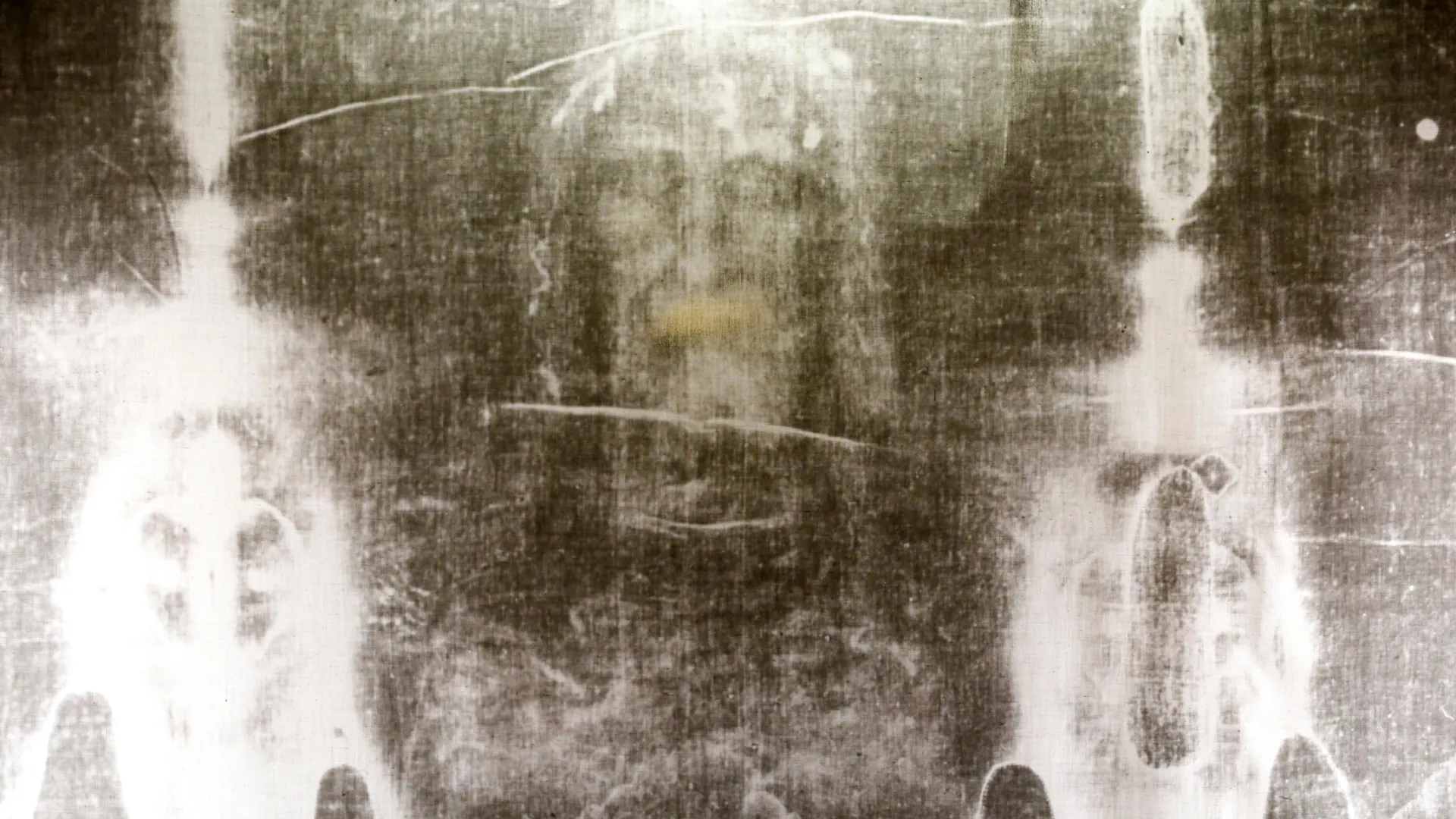
Researchers conducting a collaborative international study have published findings in Scientific Reports detailing the results of advanced genomic sequencing applied to official samples from the Shroud of Turin obtained in 1978. Using rigorous PCR-free next-generation metagenomic sequencing methods, scientists examined genomic DNA embedded within the linen fibers to produce what they describe as the most comprehensive account to date of biological material present on the cloth.
The analysis identified multiple human mitochondrial DNA lineages along with a diverse microbiome comprising bacteria, fungi and halophilic microorganisms. Beyond microbial life, the team detected genetic material from cultivated plants, domesticated animals and Mediterranean red coral. These discoveries suggest the cloth came into contact with a wide range of environments, objects and people throughout its extended history.
The genetic signatures included plant DNA from wheat, carrots, maize, bananas and peanuts, while animal DNA came from cattle, pigs, chickens, dogs and cats. Researchers noted that centuries of handling and environmental exposure have made it impossible to isolate any original DNA that may have existed on the cloth in its earliest history. According to Professor Noemi Procopio of the University of Lancashire, the Shroud functions as a rich archive of genetic information accumulated through human interaction over time.
The study does not attempt to determine the Shroud’s age or establish its authenticity. Instead, the researchers emphasized that the findings demonstrate how forensic genomics and proteomics techniques can reconstruct the biological history of culturally significant objects. The advanced metagenomic methods employed were able to provide insights into the artifact’s preservation, environmental exposure and geographical movement across different regions despite the complexity of distinguishing original from accumulated material.
Article Attribution | Read More at Article Source
Article summary produced by Claude AI