

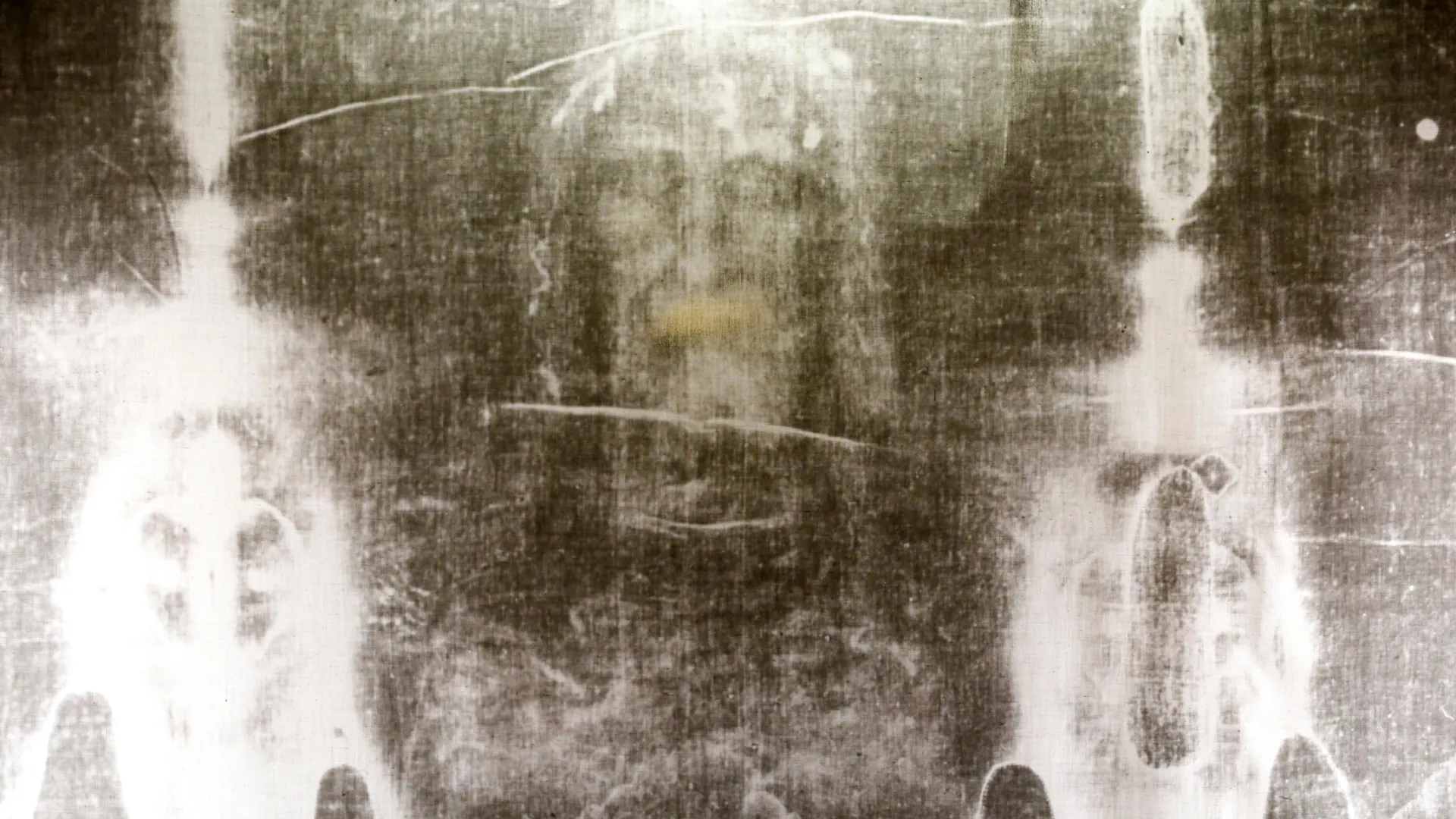
Researchers have completed a detailed genetic analysis of the Shroud of Turin using advanced metagenomic sequencing techniques on official samples obtained nearly 50 years ago. The study, published in Scientific Reports, represents the first application of rigorous PCR-free next-generation sequencing methods to biological material from the controversial religious artifact. The international research team, which included Professor Noemi Procopio of the University of Lancashire’s forensic science department, examined genomic DNA embedded within the linen fibers to produce the most comprehensive account to date of biological material present on the cloth.
The analysis identified multiple human mitochondrial DNA lineages alongside a diverse microbial community consisting of bacteria, fungi and salt-tolerant microorganisms. Additionally, the researchers detected genetic material from various cultivated plants including wheat, carrots, maize, bananas and peanuts, as well as from domesticated animals such as cattle, pigs, chickens, dogs and cats. Mediterranean red coral DNA was also identified among the samples. These diverse biological signatures provide evidence of the wide range of environments, objects and people that may have interacted with the Shroud throughout its extended history.
According to the researchers, the findings do not attempt to determine the artifact’s age or establish its authenticity. Rather, the study demonstrates the potential of forensic genomics and proteomics techniques in reconstructing the biological history of culturally important objects. The team noted that centuries of handling and exposure to different environmental conditions make it impossible to isolate any original DNA that may have been present on the cloth. Despite this limitation, advanced metagenomic methods proved capable of providing useful information about the Shroud’s preservation, environmental exposure and the geographic regions through which it may have traveled over time.
Article Attribution | Read More at Article Source
Article summary produced by Claude AI