

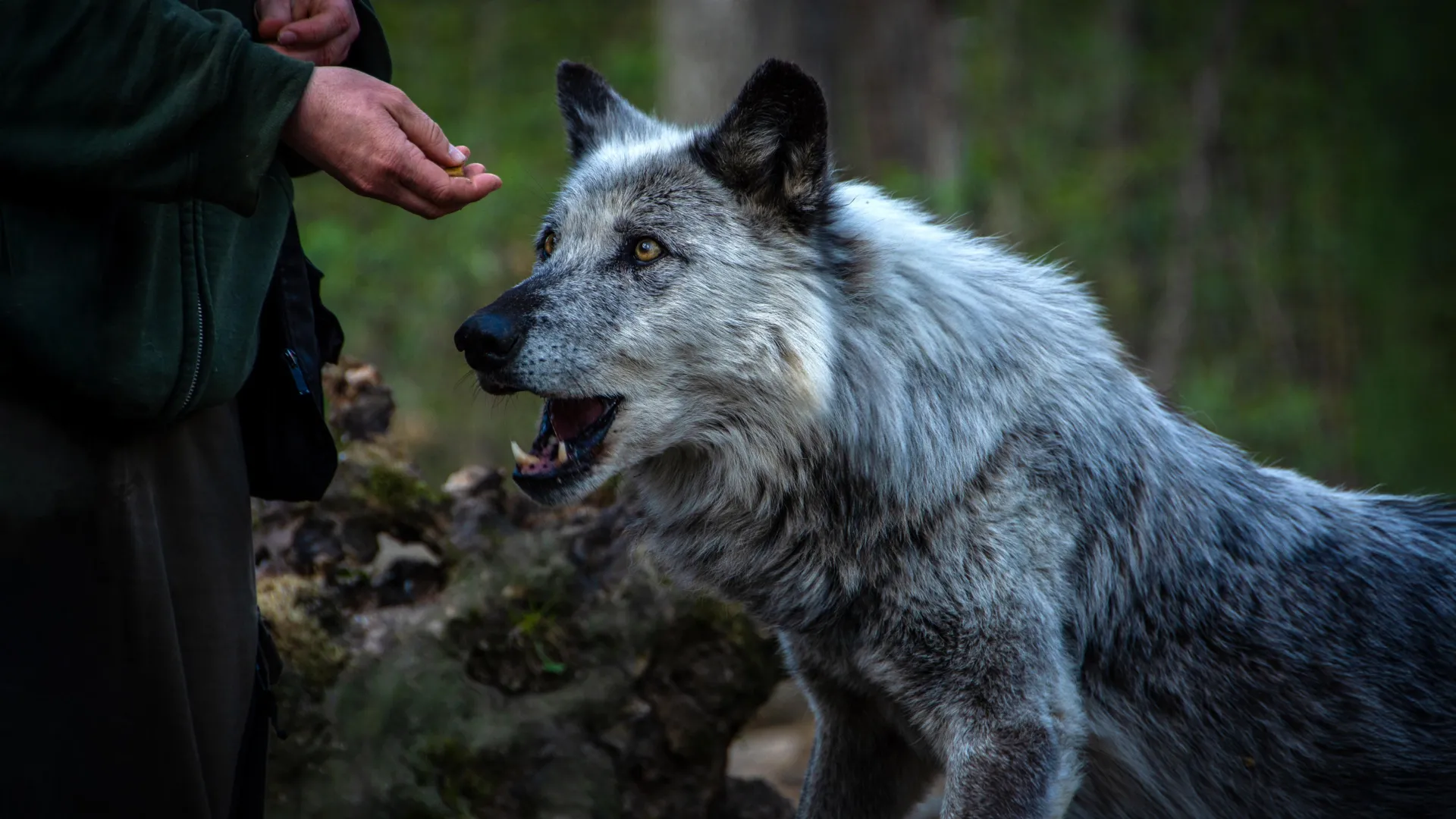
Archaeological evidence and genetic research demonstrate that dogs and humans have undergone a prolonged process of coevolution spanning approximately 15,000 years, according to archaeologist Professor Peter Mitchell’s recent work on canine domestication. Rather than humans simply domesticating wolves through force, Mitchell argues that early relationships between people and canines may have begun as relatively equal partnerships, particularly among hunter-gatherer communities before humans brought other animals or plants under control.
The dramatic diversity of dog breeds today reflects adaptations to vastly different environments and human societies. Dogs in Arctic regions developed compact builds with heavy coats and skeletal features suited to pulling heavy loads across frozen terrain, becoming essential survival partners for Indigenous communities. Meanwhile, dogs in tropical environments such as South American and Southeast Asian rainforests evolved as smaller, more agile hunting companions capable of navigating dense vegetation. On the Tibetan Plateau, dogs developed genetic adaptations similar to those found in human populations, allowing them to function effectively at high elevations with limited oxygen availability.
Cultural practices also shaped canine evolution beyond environmental pressures. Indigenous communities in various regions selectively bred dogs for specific traits, including hunting abilities in tropical forests and woolly coats for textile production on the Northwest Coast of North America. Dogs also held significant roles in religious and ceremonial traditions across many cultures, with these cultural values influencing breeding preferences and the physical characteristics favored in different populations.
Disease vectors presented another constraint on canine distribution and survival. In sub-Saharan Africa, diseases such as trypanosomiasis and ehrlichiosis may have limited where dog populations could thrive, potentially explaining why dogs spread more slowly to certain tropical and southern regions compared to temperate environments. During the colonial period, European dog breeds spread globally and largely replaced many ancient lineages, though genetic traces of older populations persist and provide researchers with valuable information about canine history.
The relationship between humans and dogs represents a mutual, bidirectional process of biological and behavioral change that continues to the present day. This coevolutionary partnership demonstrates dogs’ remarkable capacity to adapt while revealing how deeply intertwined human and canine histories have become across thousands of years.
Article Attribution | Read More at Article Source
Article summary produced by Claude AI