

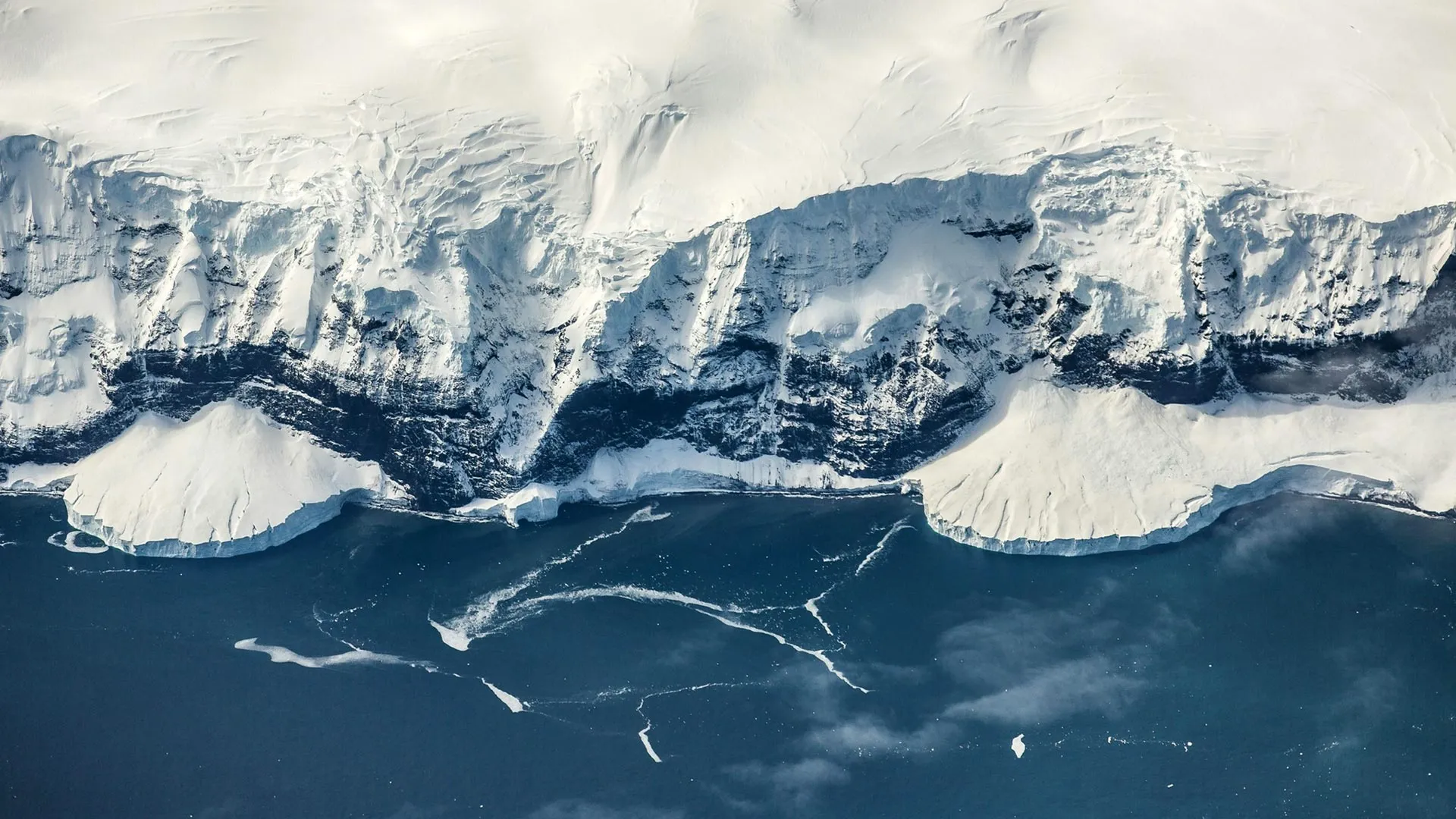
Researchers from multiple universities have published findings in Science addressing a longstanding climate puzzle: how Antarctica developed a massive ice sheet approximately 34 million years ago when global temperatures were roughly 5 degrees Celsius warmer than present conditions. The study, led by the University of Southampton in collaboration with institutions in Germany, the Netherlands, and Italy, points to geological processes rather than climate factors alone as the primary driver of Antarctic glaciation.
The research centers on the gradual uplift of East Antarctica’s terrain following the separation of Antarctica and Africa during the Jurassic Period. Using computational models to simulate 100 million years of landscape evolution, scientists identified a phenomenon called mantle waves as the mechanism responsible for raising vast plateaus and mountain systems. These slow-moving waves, which travel beneath continents after tectonic plates separate, lifted the Gamburtsev Mountains and surrounding terrain to critical elevations where persistent ice could form. By approximately 45 million years ago, large portions of East Antarctica had reached elevations around 2 kilometers, the threshold necessary for mountain glaciers to develop and expand into larger ice sheets.
The findings help explain the asymmetry between Antarctic and Arctic glaciation patterns. While Antarctica became heavily glaciated around 34 million years ago, major ice sheets in the Northern Hemisphere did not form until approximately the past five million years. Although declining atmospheric carbon dioxide levels are considered important for triggering Antarctic glaciation, the study suggests geological elevation changes gave Antarctica a significant advantage. The raised terrain created conditions cold enough for snow accumulation even as global climate remained relatively mild.
Once ice sheets began forming, additional climate feedbacks accelerated cooling. The bright ice surface reflected more sunlight back into space, reducing global temperatures by an estimated 1 degree Celsius. Simultaneously, colder air held less water vapor, weakening the atmosphere’s insulating properties and allowing further temperature decline. These combined effects enabled the Antarctic ice sheet to expand across the continent to the coast. The East Antarctic Ice Sheet remains Earth’s largest ice sheet today, containing sufficient frozen water to raise global sea levels approximately 52 meters if completely melted.
The research suggests that understanding major ice ages may require examining geological processes in addition to atmospheric conditions. According to the lead researchers, Earth’s interior may precondition landscapes for glaciation by raising them to elevations where permanent ice can survive, fundamentally shaping when and where significant climate transitions occur.
Article Attribution | Read More at Article Source
Article summary produced by Claude AI