

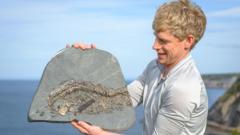
Matthew Myerscough, a civil engineer, has become an accomplished amateur fossil hunter after a transformative personal experience. Following a severe avalanche on Yr Wyddfa in 2014 that left him unconscious and traumatized, Myerscough sought therapeutic outlets away from mountaineering and discovered fossil hunting at Lavernock Point in the Vale of Glamorgan. He describes the focused, meditative nature of searching for fossils as instrumental in processing his post-traumatic stress and managing anxiety, comparing it to the mental benefits gained from yoga or other mindfulness practices.
Myerscough’s dedication to the hobby has yielded significant scientific results. While exploring with two fellow fossil hunters, he identified a jawbone in limestone that experts from National Museum Cardiff confirmed to be from a rhomaleosaurus, a carnivorous marine reptile from the early Jurassic period approximately 200 million years ago. This specimen represents the first discovery of this particular species in Wales and continues to be studied by museum researchers, with Myerscough hopeful that findings will be published in an academic paper.
Beyond his personal discovery, Myerscough has become an advocate for making fossil hunting more accessible and transparent. He has written a book titled In Search of Sea Dragons: A Fossil Hunter’s Odyssey, focusing on the experience and process of fossil discovery rather than purely technical or archaeological aspects. He notes that Lavernock Point offers opportunities for casual visitors to find loose fossils in the shingle, including vertebrae, ribs, and coprolites from ancient plesiosaurs and ichthyosaurs, describing it as a rewarding pastime for families.
Myerscough emphasizes the importance of observation and patience in fossil hunting, relying primarily on visual inspection rather than tools. His approach involves careful examination of rock patterns using a hand lens when promising specimens catch his attention, along with practical supplies including good footwear and coffee. He advocates for greater openness within the fossil hunting community regarding discovery locations and recovery methods, believing that sharing these details enriches the discipline and encourages broader participation.
Article Attribution | Read More at Article Source
Article summary produced by Claude AI