

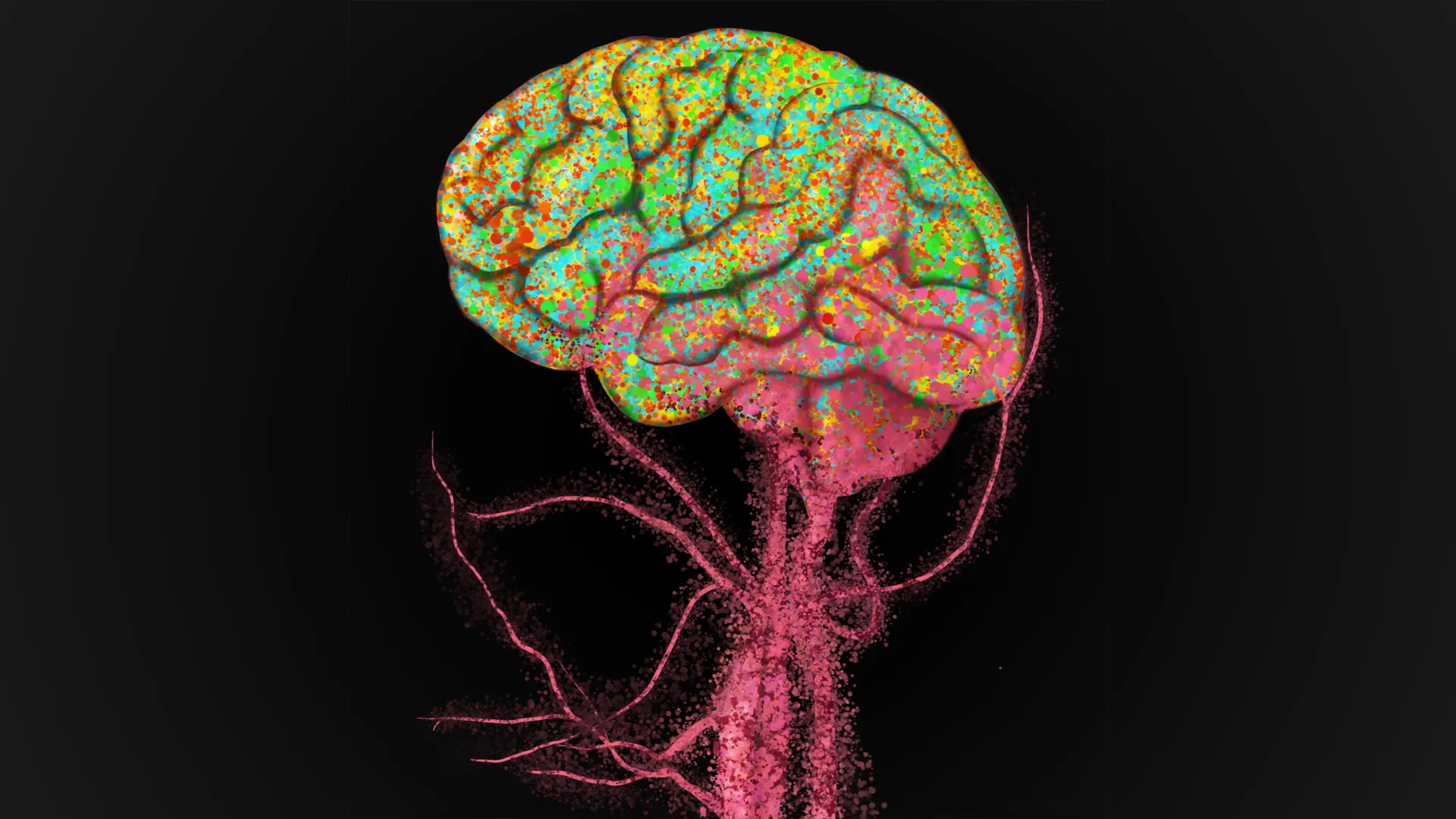
Scientists at Stanford University have identified a significant shift in understanding how the brain’s immune system functions. Historically, researchers viewed the brain as largely immunologically isolated, with its own dedicated immune cells called microglia that were thought to remain self-sustaining throughout a person’s lifetime. New findings published in Nature suggest this model requires substantial revision.
The research team, led by Julia Belk and Siddhartha Jaiswal, began their investigation by examining genetic data from thousands of individuals. In prior work, they observed that people carrying certain mutated immune cell clones produced by blood stem cells showed reduced Alzheimer’s risk. This unexpected correlation raised questions about whether these unusual immune cells might interact with brain tissue. Subsequent analysis provided evidence that mutant cells could indeed cross into the brain itself.
These preliminary findings prompted the researchers to ask a broader question: whether immune cell migration into the brain might represent a regular occurrence during human aging rather than an exceptional event. To test this hypothesis, the team examined brain and blood samples collected through the Stanford Rapid Autopsy Center and the University of Washington’s Alzheimer’s Disease Sequencing Project. This approach allowed direct comparison of immune cells from both tissue sources in individuals with and without Alzheimer’s disease.
The key methodological innovation involved tracing immune cell lineages using DNA mutations as biological markers. As people age, random mutations accumulate in blood stem cells and are passed to their immune cell descendants. By identifying matching mutations between blood and brain immune cells, researchers could establish whether brain cells originated from the blood system. The genetic signatures aligned, confirming that peripheral immune cells had entered the brain, with this process beginning as early as middle age. Additionally, the researchers discovered that once blood-derived immune cells entered the brain, they underwent transformation into specialized microglia.
These findings have significant implications for understanding neurological aging and disease. The work suggests that brain immunity is more permeable and dynamic than previously assumed, potentially opening new avenues for treating age-related neurological conditions. The research received support from the Knight Initiative for Brain Resilience at the Wu Tsai Neurosciences Institute.
Article Attribution | Read More at Article Source
Article summary produced by Claude AI