

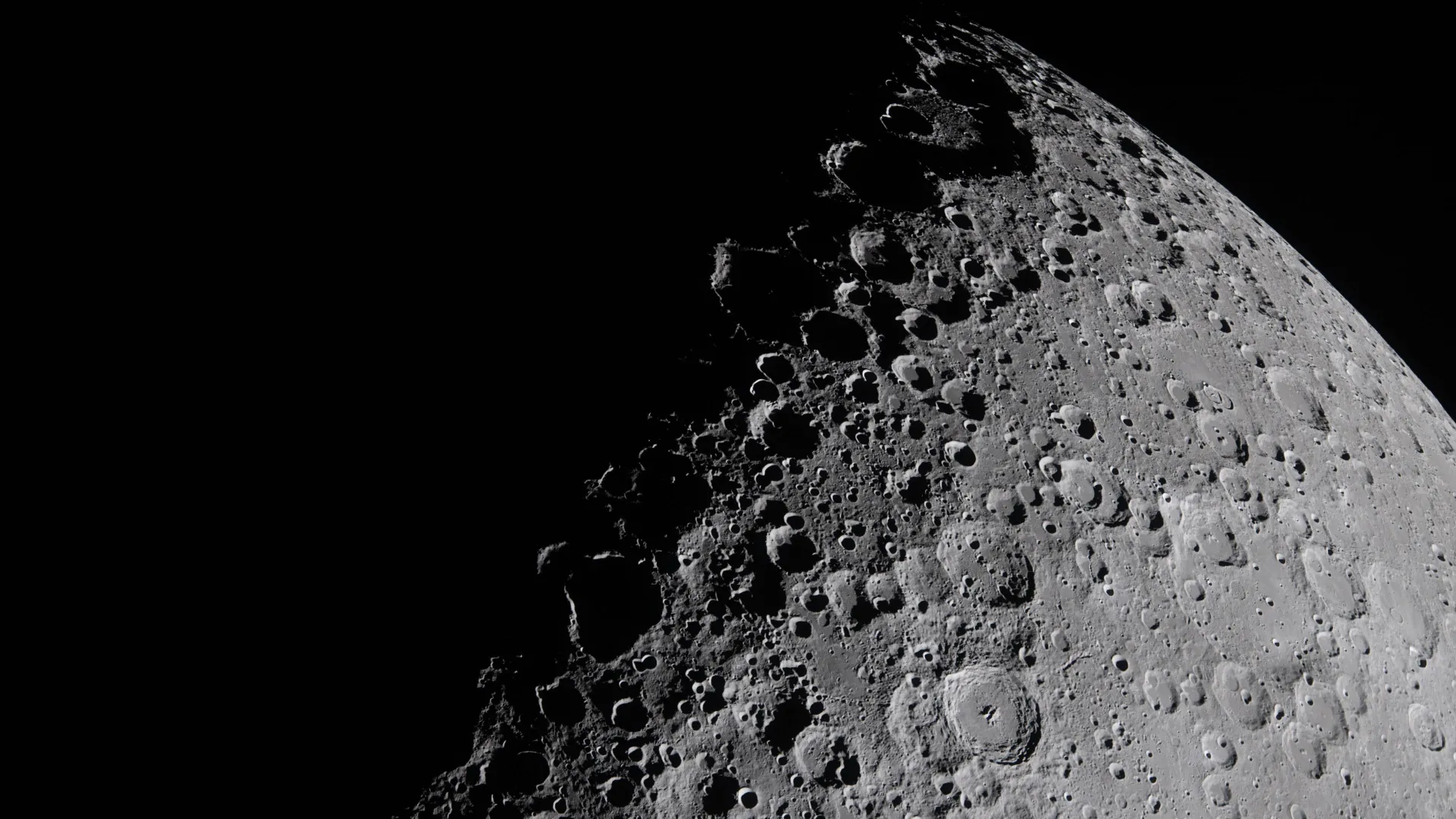
Scientists from the University of Maryland, Lawrence Berkeley National Laboratory, and the University of Hawaii have identified a method to detect subsurface water ice on the moon by analyzing seismic waves. The research, published in Science Advances on July 31, 2026, could inform upcoming lunar exploration efforts as space agencies prepare for new missions to the lunar surface.
The detection method exploits the different ways that seismic vibrations travel through frozen versus dry soil. When seismic waves encounter ice-rich areas, the frozen material causes vibrations to travel two to three times faster than through dry soil. Additionally, ice deposits can reflect seismic energy rather than allowing it to pass through, creating measurable signals similar to sound echoes. Researchers suggest that properly positioned seismometers on the moon could identify both the presence and approximate quantity of subsurface ice deposits, addressing limitations of orbital satellites that can only examine surface layers.
The practical implications extend to NASA’s Artemis program, which is preparing crewed missions to the moon’s south polar region in 2028. Lunar water ice could provide multiple benefits for astronauts, including drinking water and the ability to produce oxygen for breathing and hydrogen for fuel through electrolysis. These local resources would reduce the need to transport materials from Earth, making longer-term missions and permanent outposts more feasible.
The research team validated the concept through multiple approaches, including laboratory experiments with volcanic rock samples, computer modeling of the lunar south polar region’s temperatures, and simulations of moonquakes traveling through ice deposits. All three methods produced consistent results showing measurable changes in seismic signatures when ice was present. Upcoming missions, including China’s Chang’e-7 landing near Shackleton Crater in late 2026 and NASA’s Artemis deployment of the Lunar Environmental Monitoring Station in 2028, are expected to test these predictions with actual lunar measurements.
Article Attribution | Read More at Article Source
Article summary produced by Claude AI