

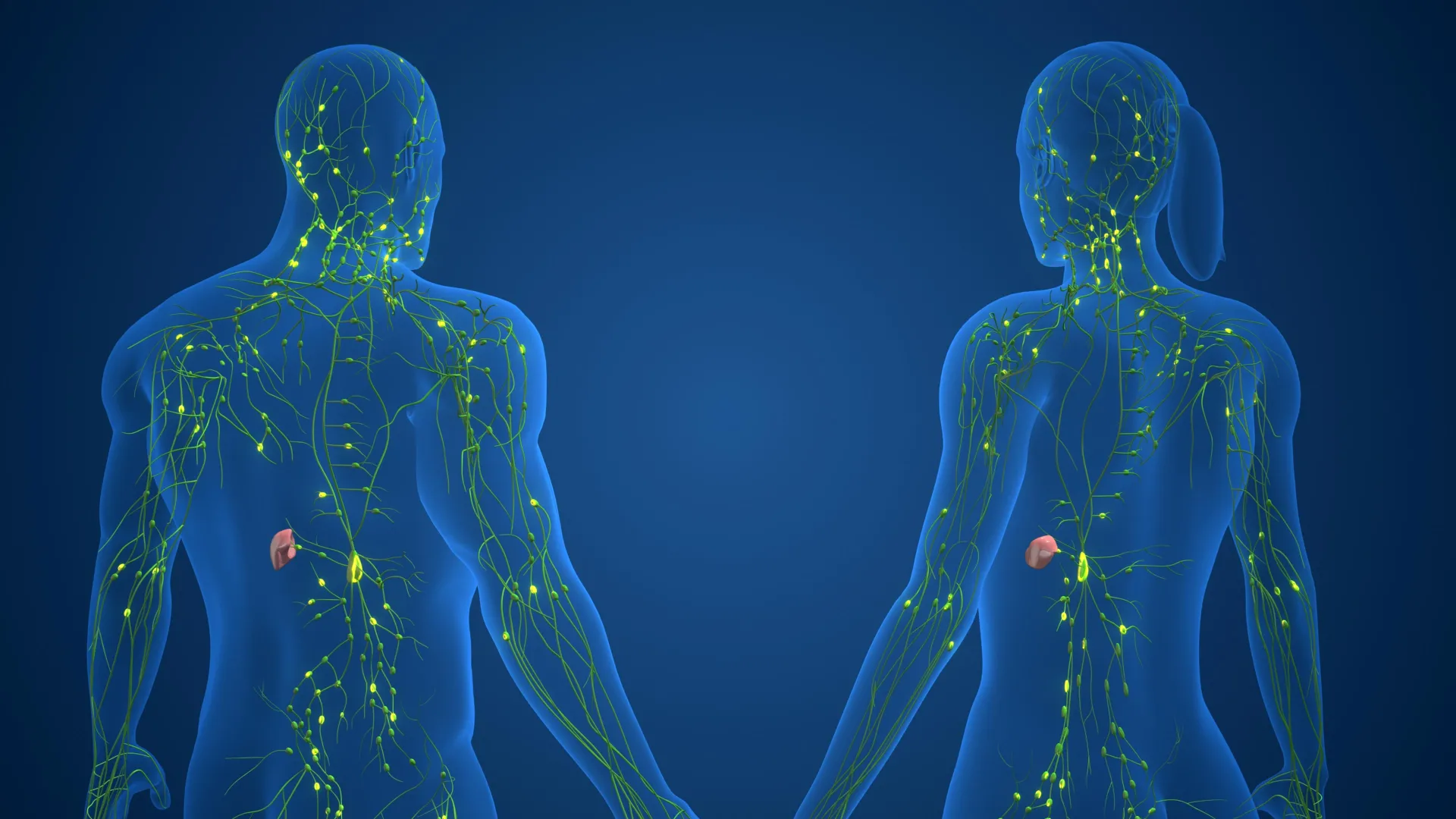
Scientists at the Garvan Institute of Medical Research and UNSW Sydney have discovered more than 1,000 genetic switches that operate differently between female and male immune cells, offering new insights into why autoimmune diseases disproportionately affect women. Autoimmune diseases occur when the immune system mistakenly attacks the body’s own tissues, with conditions like lupus affecting approximately nine women for every man diagnosed. The research, published in The American Journal of Human Genetics, suggests that these genetic differences contribute to heightened inflammatory activity in female immune cells, establishing a biological foundation for increased autoimmune susceptibility in women.
The study employed single-cell sequencing technology to analyze more than 1.25 million peripheral blood immune cells from nearly 1,000 healthy participants in the OneK1K Australian research cohort. This approach marked the first large-scale investigation of male and female immune cell differences at single-cell resolution. The analysis revealed distinct cellular profiles between sexes: males had higher proportions of monocytes focused on cell maintenance and protein production, while females showed greater numbers of B cells and regulatory T cells with substantially more genetic activity linked to inflammatory pathways. This reactive immune profile provides females with enhanced protection against viral infections but carries a biological trade-off of increased autoimmune disease risk.
Contrary to previous assumptions, the researchers found that the sex-specific genetic switches were primarily located on autosomes—chromosomes shared by both sexes—rather than concentrated on sex chromosomes. The team identified specific genetic variants associated with female-biased expression of genes linked to systemic lupus erythematosus, potentially explaining the disease’s sex distribution. While hormones and other factors also influence autoimmune risk, these genetic differences appear to establish a distinct biological starting point affecting disease susceptibility.
The findings underscore the importance of including both sexes in medical research, as many studies have historically emphasized male populations. Researchers indicate that understanding these fundamental biological differences could enable more personalized treatment approaches for autoimmune conditions, moving beyond current one-size-fits-all therapies that broadly suppress immune function. Such targeted strategies may ultimately improve treatment outcomes by accounting for distinct genetic pathways in male and female immunity.
Article Attribution | Read More at Article Source
Article summary produced by Claude AI