

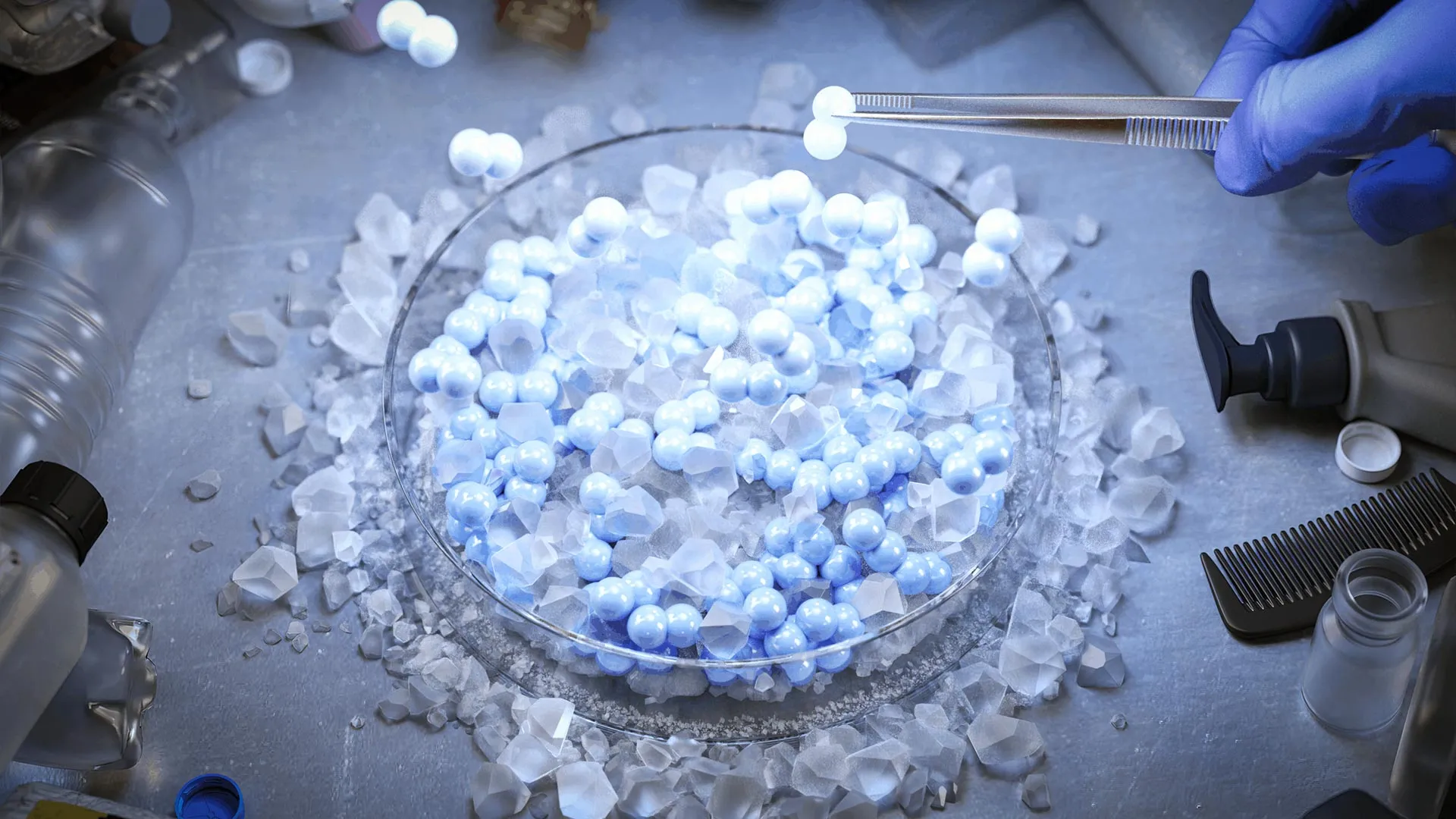
A team of scientists from UCLA Samueli School of Engineering and Ewha Womans University in South Korea have demonstrated a novel method for converting plastic waste into hydrogen fuel while preventing carbon emissions. The process, called alkaline thermal treatment (ATT), can handle a mixture of three commonly used plastics—polyethylene terephthalate (PET), polyethylene (PE), and polypropylene (PP)—without requiring them to be sorted beforehand. The resulting hydrogen achieves purity levels exceeding 90 percent.
The alkaline thermal treatment method operates at temperatures 300-400 degrees Celsius lower than conventional steam gasification, making it significantly more energy efficient. The process works by using sodium hydroxide to react with plastic polymers under heat, triggering chemical reactions that produce hydrogen gas. One key innovation involved a thermal oxidation pretreatment step that makes chemically resistant plastics like polyethylene and polypropylene more reactive by adding oxygen-containing functional groups to their polymer chains.
A critical advantage of this approach is its carbon management capability. Rather than releasing carbon dioxide into the atmosphere as conventional gasification does, the process captures more than 75 percent of the carbon present in the plastics and converts it into solid sodium carbonate compounds. The sodium carbonate can subsequently be transformed into calcium carbonate, a stable mineral commonly used in industrial applications, effectively storing the carbon long-term. Less than 13 percent of the carbon enters the gas phase during the reaction.
The research addresses significant limitations of existing plastic recycling methods. While other low-temperature approaches like solar-driven photoreforming work only with oxygen-containing plastics, and high-temperature gasification releases substantial carbon dioxide, this technique overcomes all three challenges simultaneously by handling mixed plastics, operating at lower temperatures, and capturing most carbon emissions. Despite the promising laboratory results, the researchers note that additional testing is necessary to optimize the process and determine its economic viability for commercial-scale production.
Article Attribution | Read More at Article Source
Article summary produced by Claude AI