

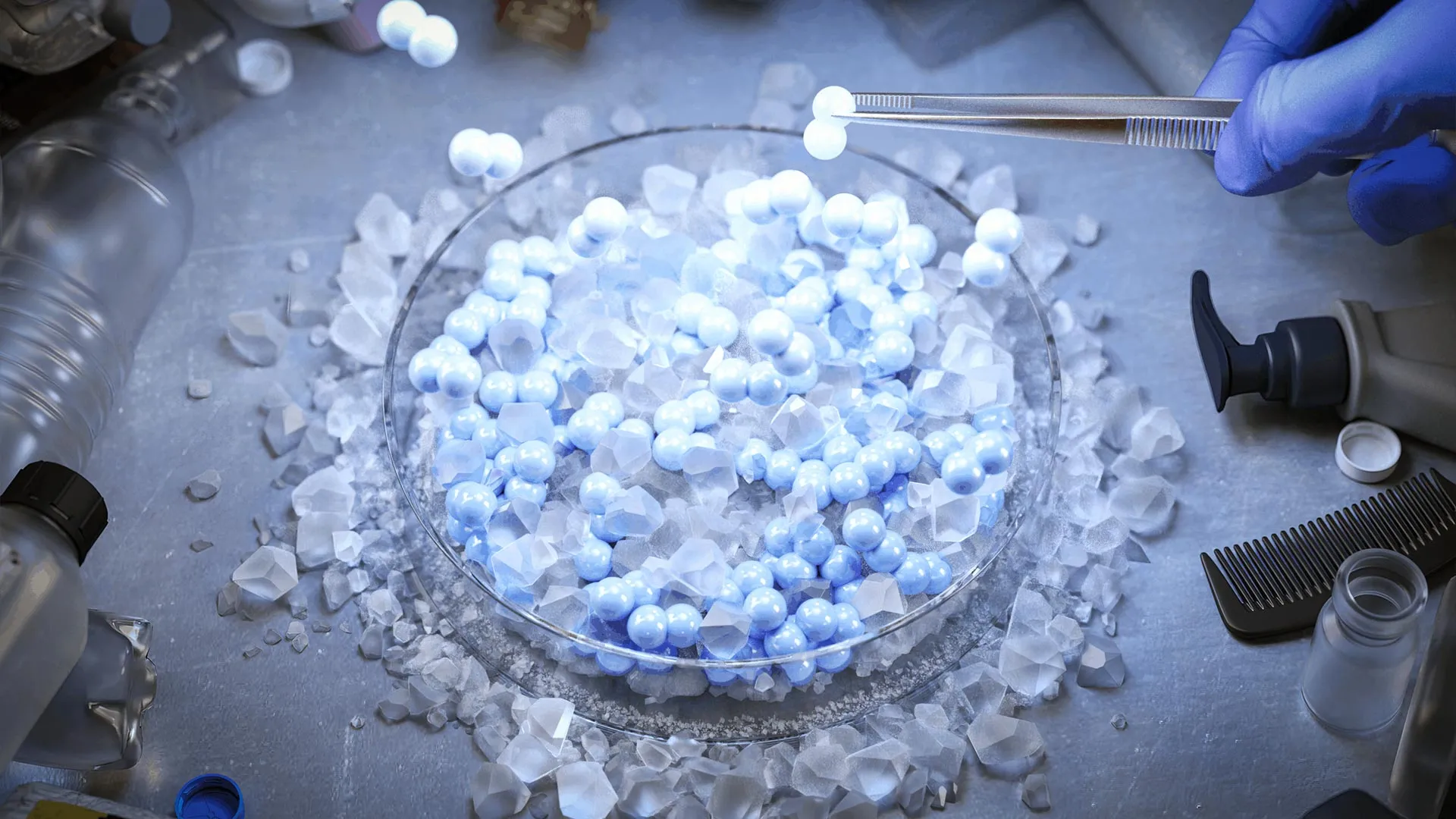
Scientists at UCLA Samueli School of Engineering and Ewha Womans University in South Korea have developed a method to convert plastic waste directly into hydrogen fuel while preventing carbon emissions. The technique addresses a significant environmental challenge, as only 9% of discarded plastic is currently recycled, with the majority sent to landfills or incinerated, releasing carbon dioxide into the atmosphere.
The research, published in Proceedings of the National Academy of Sciences, focuses on alkaline thermal treatment (ATT), a process in which sodium hydroxide reacts with organic material under heat to produce hydrogen. The method successfully processed three common plastic types—polyethylene terephthalate (PET), polyethylene (PE), and polypropylene (PP)—without requiring them to be sorted beforehand. The resulting hydrogen achieved more than 90% purity and was produced at temperatures significantly lower than conventional gasification methods, operating at 300-400 degrees Celsius below traditional steam gasification requirements.
A key innovation involved developing a thermal oxidation pretreatment step to handle polyethylene and polypropylene, which are chemically resistant under alkaline conditions. By briefly heating these plastics in air at mild temperatures before the main reaction, researchers added oxygen-containing functional groups to their polymer chains, making them chemically reactive enough for the alkaline treatment process to break them down efficiently.
During the reaction, sodium hydroxide captures carbon released from the plastics and converts it into solid sodium carbonate, preventing atmospheric carbon dioxide emissions. Analysis showed that over 75% of the carbon originally present in the plastic was captured in stable carbonate compounds or liquid organic residues, with less than 13% entering the gas phase. The sodium carbonate can be further converted into calcium carbonate, a stable mineral commonly used in various industries.
While the laboratory results demonstrate promise, researchers indicated that additional studies are needed before the technology can be deployed commercially. The team emphasizes that further work is required to optimize the process and determine its economic viability at scale.
Article Attribution | Read More at Article Source
Article summary produced by Claude AI