

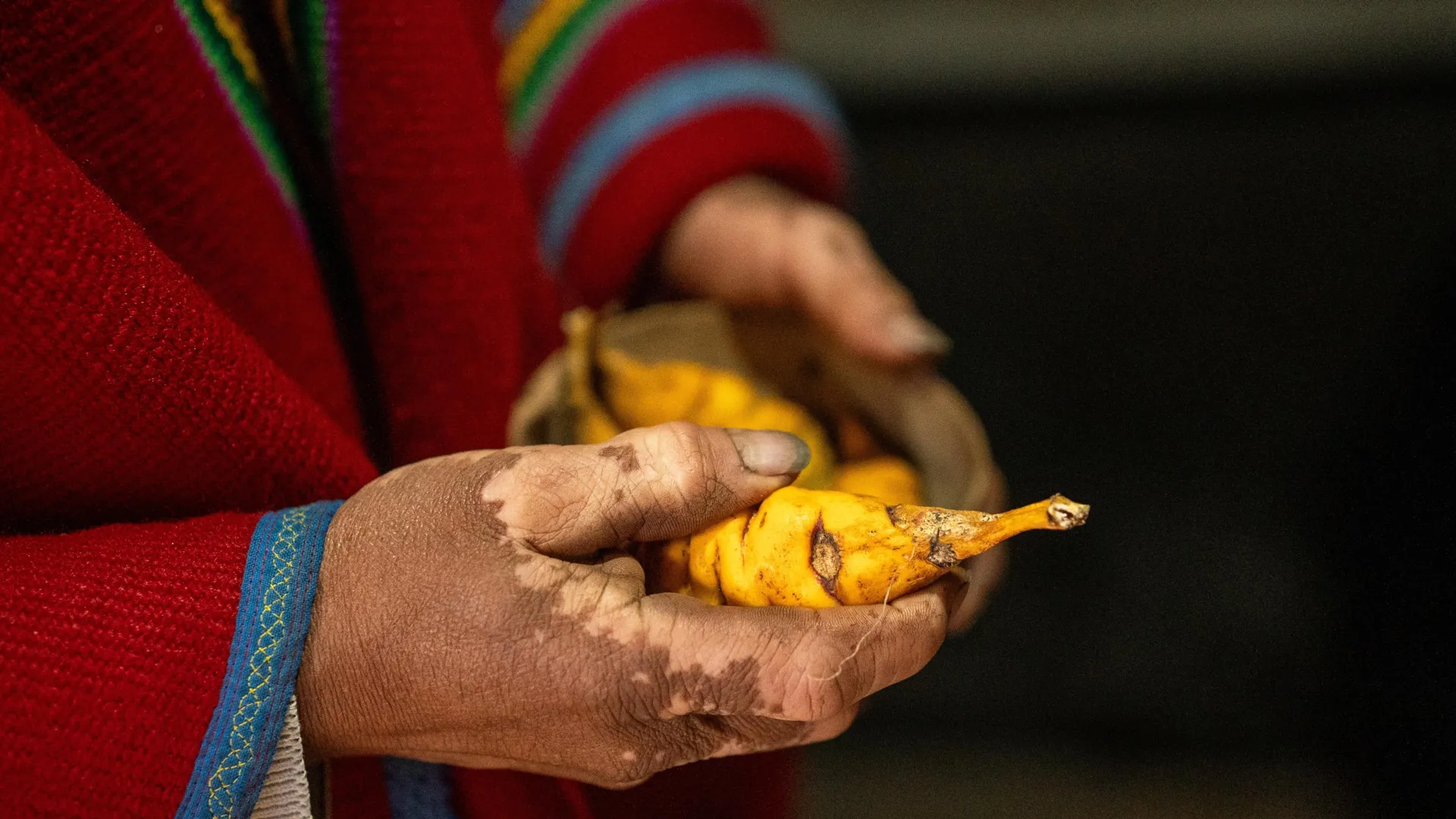
A study co-led by UCLA and University at Buffalo researchers has identified genetic evidence suggesting that the domestication of potatoes in the Andes may have driven human evolution among Indigenous Andean populations. The research, published in Nature Communications, focused on the salivary amylase gene known as AMY1, which is involved in breaking down starch. Indigenous people in Peru today carry approximately 10 copies of this gene on average, significantly more than the two to four additional copies found in any of the other 83 populations examined in the comparative analysis.
The researchers collected DNA samples from Quechua speakers in the Peruvian Andes and compared them with genomic databases from dozens of populations worldwide. The findings suggest that natural selection began favoring individuals with higher AMY1 copy numbers around 6,000 to 10,000 years ago, corresponding with the establishment of potatoes as a staple crop in the highlands. People carrying more copies of AMY1 generally produce greater amounts of amylase enzyme in their saliva and are believed to digest starch more efficiently. The research estimates that individuals with approximately 10 or more copies possessed a 1.24% survival or reproductive advantage per generation once potatoes became an important food source.
To strengthen their conclusions, the researchers compared Indigenous Peruvians with Maya populations in Mexico, who share evolutionary history with Andean peoples but lack a potato farming tradition. Indigenous Peruvians averaged 10 AMY1 copies compared with six among the Maya, supporting the connection between potato cultivation and genetic selection. The team also had to account for the possibility that the severe population decline following European contact in the 15th century could have artificially created patterns of genetic selection. Using advanced DNA sequencing technologies, researchers determined that high AMY1 copy numbers had already become prevalent in the Andes several thousand years before European arrival, confirming that dietary adaptation rather than later population collapse explained the genetic pattern.
The findings contribute to broader understanding of human evolutionary adaptation and challenge certain modern dietary theories. Researchers note that the research demonstrates human populations have adapted genetically to changing food conditions within the last 10,000 years, suggesting metabolic pathways are not solely products of the Paleolithic era. The work involved collaborators from multiple institutions and was supported by the National Science Foundation, National Institutes of Health, and the Leakey Foundation.
Article Attribution | Read More at Article Source
Article summary produced by Claude AI