

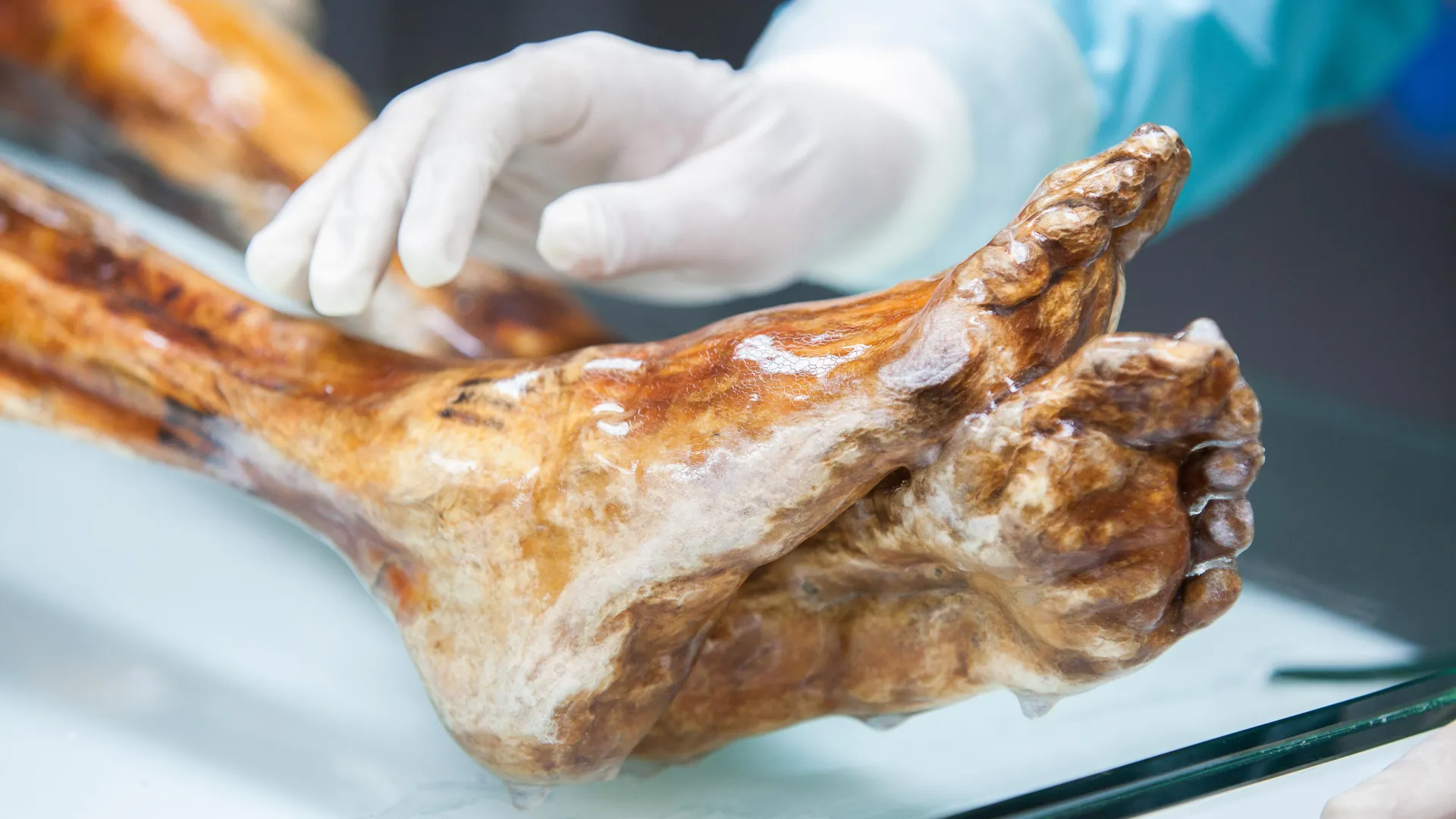
Scientists studying Ötzi the Iceman’s remains conducted a comprehensive microbiological analysis using multiple sampling techniques to distinguish between microorganisms present during his lifetime and those that arrived after his death. The investigation examined ice from the mummy’s surface, internal meltwater, intestinal tissue, stomach contents, and swabs from various locations. Researchers also analyzed a soil sample collected from the discovery site and preserved since 1991.
Genetic testing confirmed the presence of bacteria constituting Ötzi’s original gut flora, consistent with findings from a previous study conducted with Eurac Research. The microbial community identified bears resemblance to the limited number of known microbiomes from early human populations, with many bacteria rarely found in people living in modern industrialized societies. This makes the mummy an unusual resource for understanding the microbial communities that inhabited ancient humans.
The most unexpected discovery involved cold-adapted yeast species identified in skin samples, meltwater, and stomach contents. Genetic analysis revealed these organisms are related to strains found in extremely cold environments such as Antarctica, suggesting they originated in the glacier and have potentially remained associated with Ötzi for thousands of years. The researchers detected both degraded ancient DNA and well-preserved modern DNA, indicating the microorganisms continue to exist under current storage conditions of minus six degrees Celsius and high humidity.
Conservation treatments applied after Ötzi’s recovery in 1991 may have inadvertently influenced the microbial composition. Three of the four yeast species possess the genetic ability to metabolize phenol, a substance used to remove fungal growth from the mummy’s surface. The findings have implications for both archaeological preservation and industrial applications, as cold-adapted microorganisms could support energy-efficient processes requiring low-temperature fermentation. The research was published in the journal Microbiome.
Article Attribution | Read More at Article Source
Article summary produced by Claude AI