

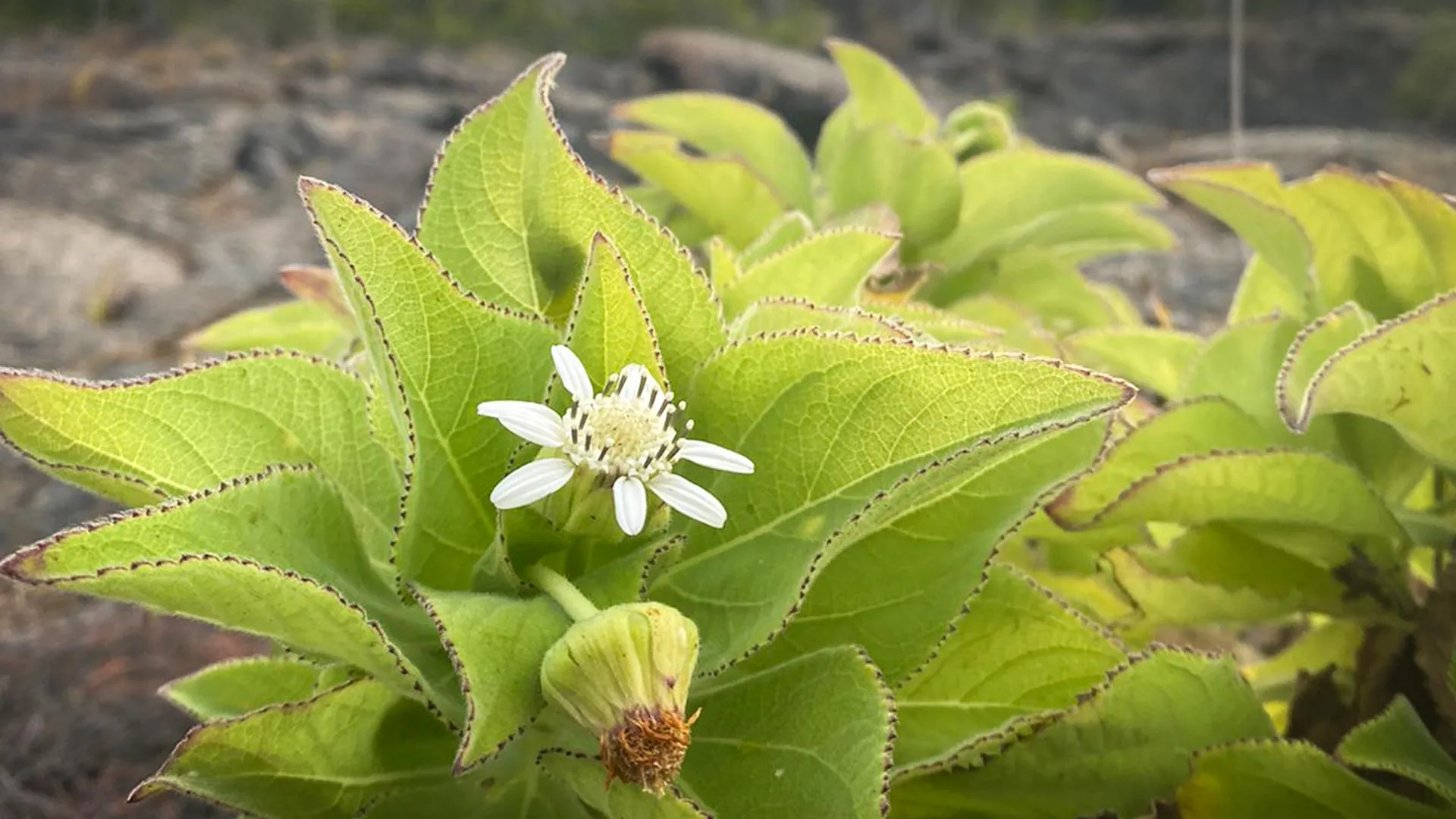
Researchers from an international team led by institutions including the Norwegian University of Science and Technology have identified a striking example of parallel evolution in Scalesia plants, commonly called Galápagos giant daisies. The findings, published in Nature Communications, reveal how these plants rapidly adapted to diverse island habitats despite their relatively recent evolutionary history spanning only the past one million years.
The Scalesia genus comprises species that have evolved to inhabit dramatically different environments across the islands, from humid highland forests to arid lowlands. The plants display remarkable variation in physical form, ranging from low shrubs to tall trees. Particularly notable is the diversity in leaf structure, which varies from large and unlobed to small and deeply lobed shapes. Researchers theorize that the lobed leaf configuration provides survival advantages in hot, dry conditions by reducing water loss and facilitating heat dissipation, though the genetic mechanisms underlying this adaptation remained previously unexplained.
Genome analysis of all known Scalesia species revealed that deeply lobed leaves evolved independently multiple times across separate branches of the plant family. More significantly, the research showed that each independent evolution of this trait occurred through different genes, despite these genes belonging to the same biological system responsible for controlling leaf development. Rather than a single dominant gene determining leaf shape, evolution appears to modify various components within a larger genetic network to produce similar physical outcomes through distinct pathways.
The genetic data suggests that Scalesia evolution continues in the present day. Isolated populations within species show substantial genetic differences and have remained separated for extended periods, indicating that new species may currently be forming. The researchers propose that individual populations should be managed as separate conservation units, given their status as distinct evolutionary lineages. This discovery provides insights into adaptive radiation, the process by which a single ancestral species rapidly diversifies into multiple forms adapted to different ecological niches, continuing the legacy of evolutionary understanding that the Galápagos Islands have provided since Darwin’s visit in 1835.
Article Attribution | Read More at Article Source
Article summary produced by Claude AI