

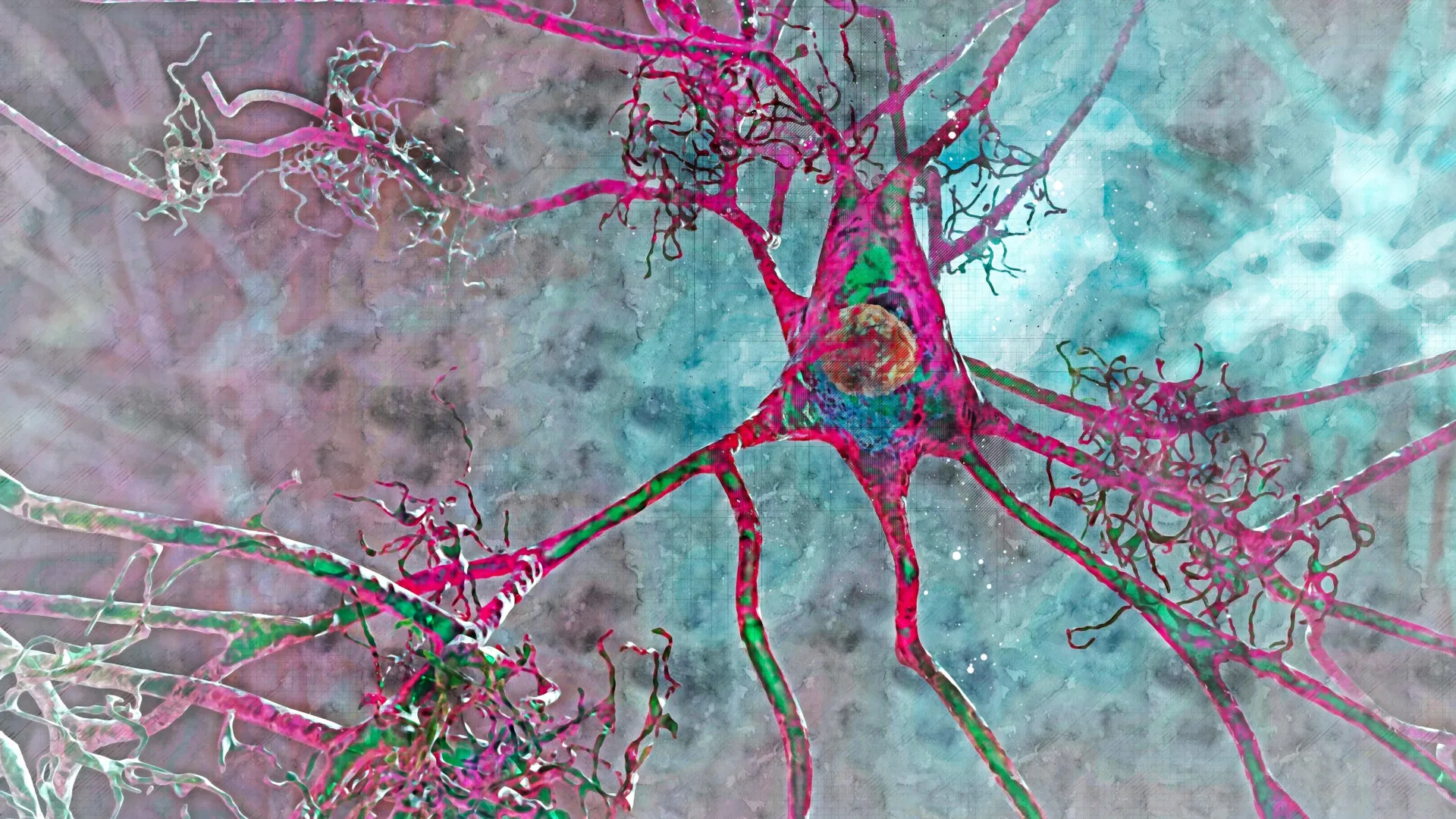
A research team led by Professor David Vilchez at CECAD Cluster of Excellence for Aging Research has identified a molecular mechanism that may explain how aging contributes to the development of neurodegenerative diseases. The study, published in Nature Aging, focuses on understanding the connection between aging and conditions such as Huntington’s disease and amyotrophic lateral sclerosis (ALS), which share aging as their strongest known risk factor despite incomplete understanding of the underlying molecular causes.
The research concentrated on a protein called EPS8, which accumulates with age and activates harmful stress responses. Using the model organism Caenorhabditis elegans, the team discovered that elevated EPS8 levels and increased activity in associated signaling pathways promote the accumulation of abnormal proteins and neurodegeneration. When scientists reduced EPS8 activity in the worm models, toxic protein aggregates no longer accumulated as readily, and neuronal function was preserved in disease models of both Huntington’s disease and ALS.
To determine whether these findings might apply to human disease, the researchers examined whether EPS8 and its associated signaling molecules function similarly in human cells. The results proved consistent with the worm studies: reducing EPS8 levels in human cell models of both Huntington’s disease and ALS prevented the accumulation of toxic protein aggregates. The conservation of these mechanisms across different species suggests their relevance to human neurodegenerative processes.
While the precise mechanisms by which increased EPS8 activity triggers protein aggregation remain unclear, the findings address a significant gap in neurodegenerative disease research by establishing a direct molecular connection between aging and neurodegeneration. The results suggest that EPS8 and its signaling partners represent promising targets for developing future therapeutic approaches that could potentially slow or prevent disease progression in aging-related brain disorders.
Article Attribution | Read More at Article Source
Article summary produced by Claude AI