

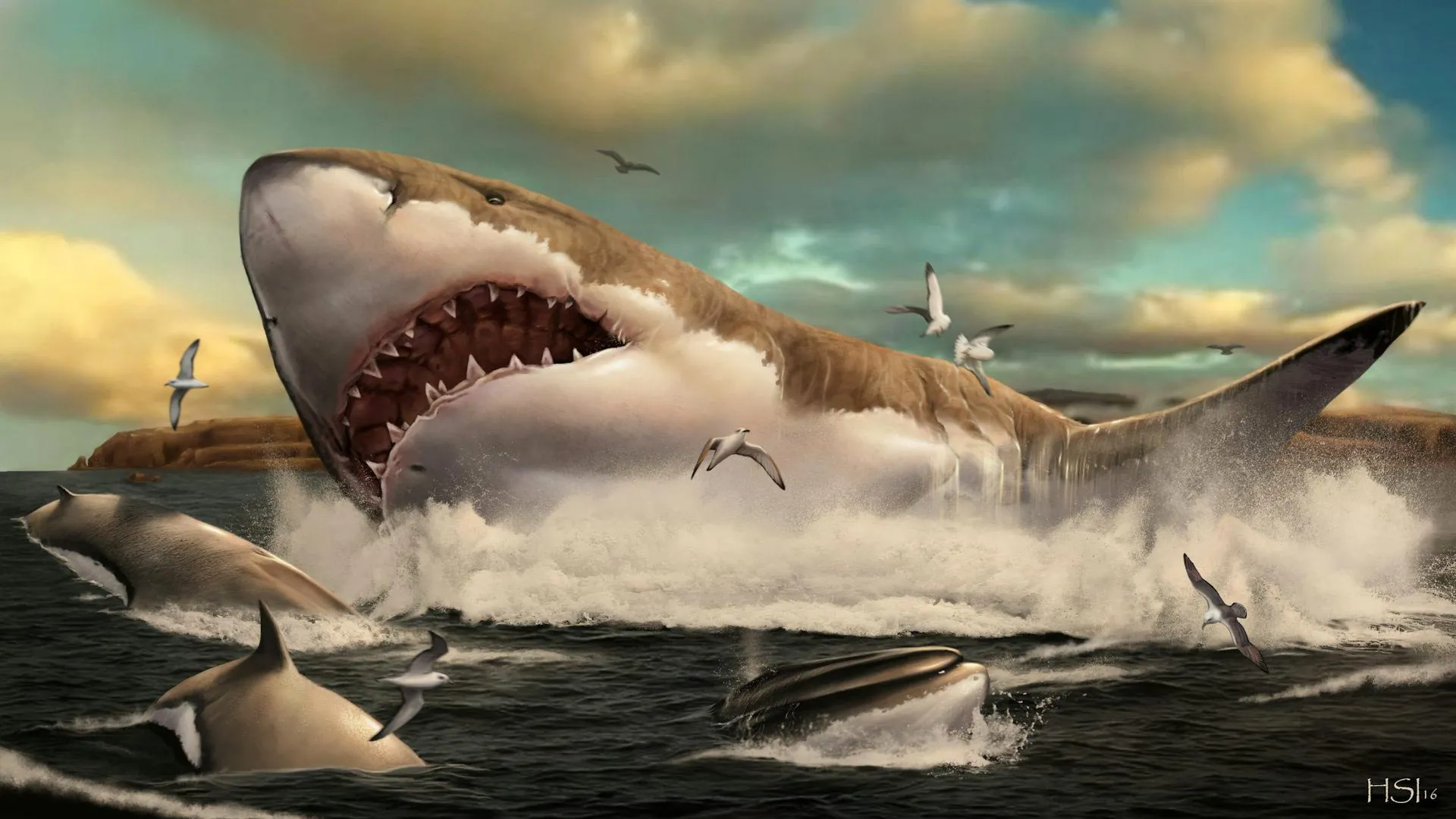
Researchers have conducted a new study analyzing vertebrae from a giant prehistoric shark species known as Otodus megalodon, based on specimens that were rediscovered in a museum after being considered lost for decades. The vertebrae, originating from Denmark and dating back approximately 11 million years, represent the largest known examples from this species, each measuring about 9 inches in diameter. The analysis confirms earlier estimates that these sharks exceeded 24 meters in length, significantly larger than even the most exaggerated fictional sharks depicted in popular cinema.
The specimens had been presumed destroyed during a 1989 relocation of the Geological Museum of Copenhagen to the Museum of Southern Jutland. Scientific records of the vertebrae survived only in historical photographs and written descriptions until the physical specimens resurfaced on a museum shelf, unrecognized for many years. This recovery enabled researchers to conduct new analysis, which suggests that newborn members of this species reached approximately 3.6 meters in length and may have lived nearly a century.
The rediscovery illustrates a broader pattern of fossil specimens disappearing from museum collections through various mechanisms. Historical wartime losses include dinosaur fossils destroyed during World War II bombing raids and specimens lost at sea when cargo ships were sunk. Natural disasters and accidents have also claimed significant collections, such as damage sustained during the 2011 Fukushima earthquake and the 2018 fire at Brazil’s National Museum. Additional losses occur through simple misplacement, deterioration, or deliberate concealment by researchers.
Despite these challenges, museum institutions worldwide have successfully preserved millions of fossils across decades and centuries. Occasionally, lost specimens resurface, providing unexpected research opportunities and contributing to scientific understanding of prehistoric life. The recovery of the Otodus megalodon vertebrae exemplifies how persistence and careful examination of museum collections can yield significant discoveries from specimens thought permanently lost.
Article Attribution | Read More at Article Source
Article summary produced by Claude AI