

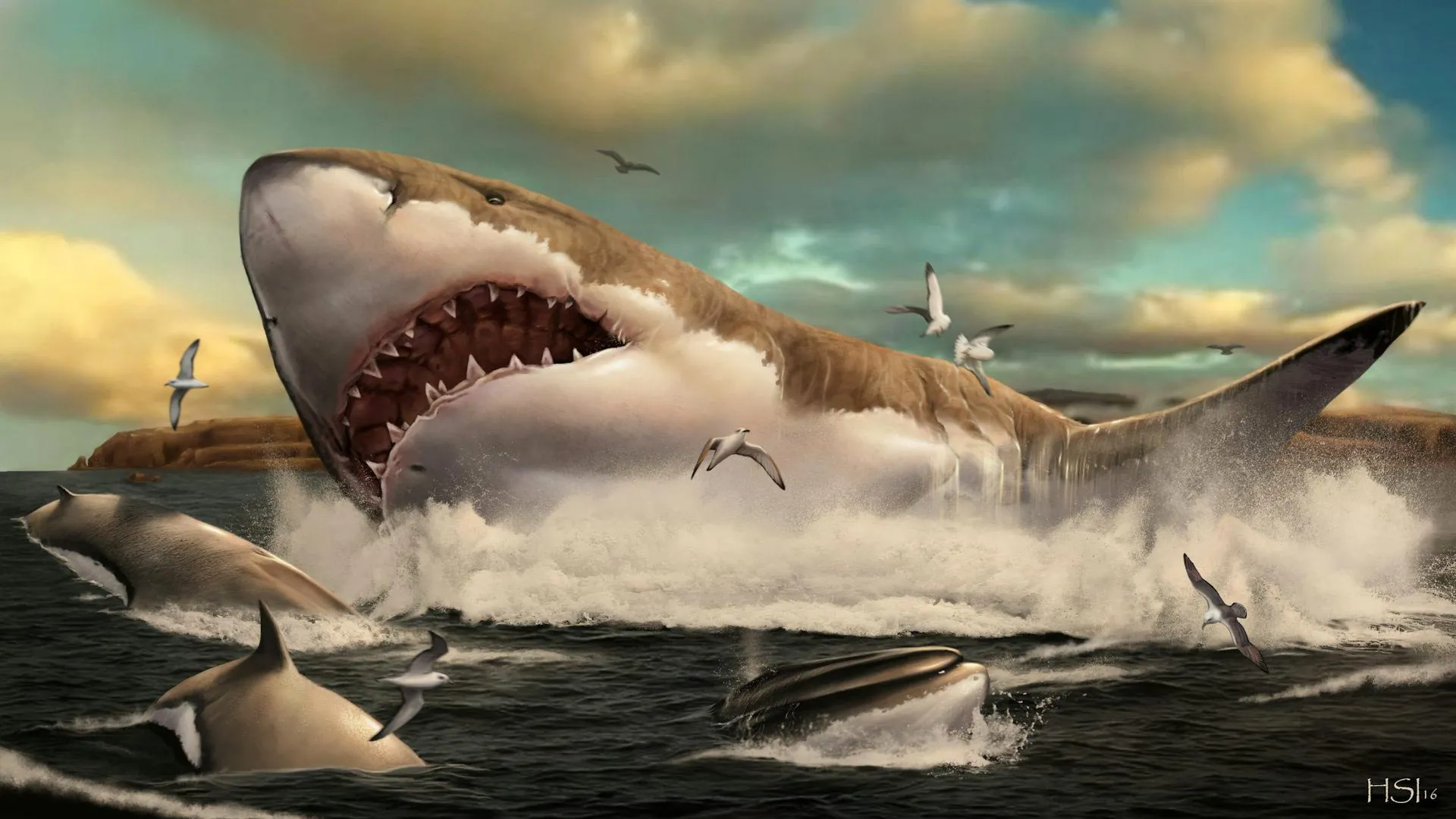
A scientific study analyzing vertebrae from an ancient shark species has confirmed that the creature known as Otodus megalodon reached sizes exceeding 24 meters in length. The specimens under examination date to approximately 11 million years ago and were discovered in Denmark. At nearly 9 inches in diameter, these vertebrae represent the largest known remains of their kind, providing researchers with rare skeletal evidence beyond teeth and jaws to assess the animal’s proportions and development.
The vertebrae had been presumed lost during an institutional transfer in 1989 when the Geological Museum of Copenhagen relocated materials to the Museum of Southern Jutland. Only historical documentation through photographs and written descriptions remained available to researchers. The recent rediscovery of these specimens after remaining unrecognized on a shelf for decades allowed scientists to conduct new analyses. Based on the findings, researchers estimated that juvenile members of the species measured approximately 3.6 meters at birth and may have survived for nearly a century.
The recovery of these fossils illustrates a broader pattern of specimen loss and recovery within museum collections worldwide. Throughout history, fossils have disappeared through various mechanisms including wartime destruction, natural disasters, and institutional mismanagement. World War II resulted in significant paleontological losses, including specimens destroyed in bombing raids and maritime incidents during material transport. More recent events such as the 2011 Fukushima earthquake and 2018 Rio de Janeiro museum fire have similarly affected collections.
Museums maintain enormous quantities of specimens—some institutions house tens of millions of objects—making occasional losses inevitable. Specimens may be mislabeled, deteriorate unnoticed, or be deliberately concealed. Despite these challenges, museums remain primary repositories for scientific heritage. The rediscovery of the megalodon vertebrae demonstrates that lost specimens occasionally resurface, providing new research opportunities and advancing scientific understanding of extinct species.
Article Attribution | Read More at Article Source
Article summary produced by Claude AI