

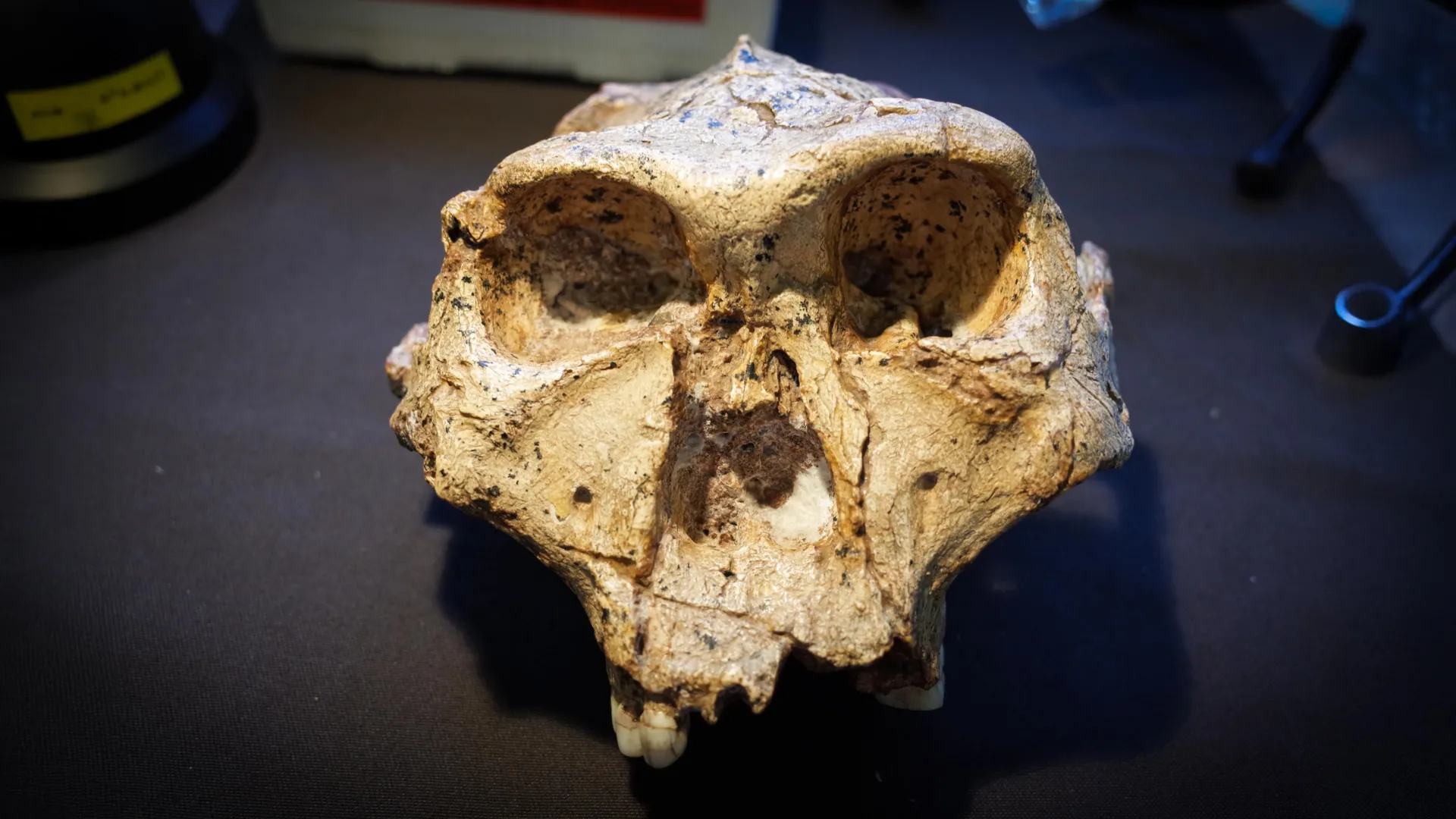
Scientists from Monash University are advocating for a significant revision to how researchers classify human ancestors and their evolutionary relatives, according to research published in the American Journal of Biological Anthropology. The proposal suggests that all human species and closely related fossil ancestors from the past 4-5 million years should be placed within a single genus classification, fundamentally altering how scientists organize the human family tree.
Traditionally, human evolution has been presented as a straightforward progression of distinct species, moving from ape-like ancestors through Australopithecus and early Homo members to modern humans. However, the expanding fossil record reveals a considerably more intricate evolutionary history than this linear model suggests. According to lead researcher Dr. Ian Towle, recent paleontological discoveries combined with advances in genetic analysis have made the existing classification system increasingly unreliable and poorly suited to reflect actual evolutionary relationships.
The current approach to distinguishing between different groups has relied on anatomical, behavioral, and ecological characteristics. Yet recent evidence has made many of these traditional dividing lines difficult to maintain. For instance, some Homo members possessed unexpectedly small brains, while Paranthropus and Australopithecus showed evidence of sophisticated behavioral capabilities previously thought unique to Homo. These findings suggest the boundaries between established groups are far less distinct than previously believed.
Dr. Towle proposes incorporating Australopithecus and Paranthropus species into an expanded Homo genus to create a more accurate representation of human evolutionary relationships. This approach aligns with modern taxonomic practices, which increasingly organize organisms based on genuine evolutionary connections and shared ancestry rather than isolated traits. The proposal aims to provide greater stability to human classification by reducing the need for repeated reclassifications as additional fossils emerge and scientific understanding deepens, ultimately offering a more nuanced picture of humanity’s complex and non-linear evolutionary path.
Article Attribution | Read More at Article Source
Article summary produced by Claude AI