

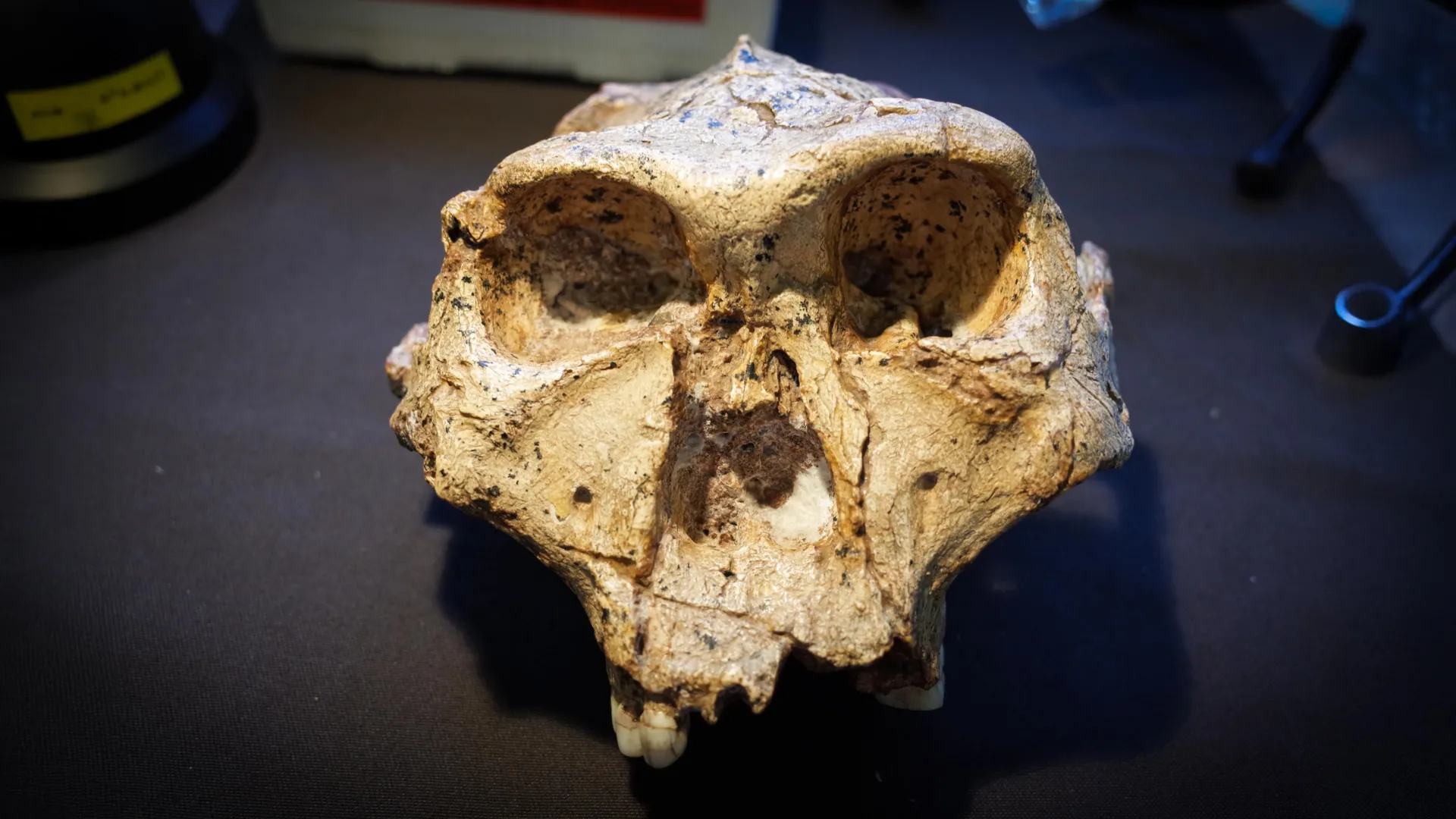
A new study from Monash University published in the American Journal of Biological Anthropology challenges the traditional taxonomy used to classify human ancestors and their close relatives. The research argues that the conventional system for naming and categorizing human species has become increasingly inadequate as scientists continue to uncover new fossils and refine their understanding of human evolutionary history.
Dr. Ian Towle, lead researcher at the Monash Biomedicine Discovery Institute, contends that the current classification approach no longer accurately reflects what the fossil record reveals about human evolution. Historically, scientists have depicted human evolution as a relatively straightforward progression through distinct species, beginning with ape-like ancestors, advancing through Australopithecus and early Homo species, and culminating in modern Homo Sapiens. However, the accumulated evidence suggests this narrative oversimplifies a far more intricate evolutionary story spanning the past 4 to 5 million years.
The proposal centers on expanding the genus Homo to encompass species from Australopithecus and Paranthropus alongside traditional Homo species. Towle notes that many physical and behavioral characteristics once considered diagnostic for distinguishing these groups from one another have become increasingly difficult to maintain as scientific knowledge has advanced. For instance, some Homo members possessed relatively small brains, while Australopithecus and Paranthropus species demonstrated evidence of complex behavioral capabilities, undermining previously clear categorical boundaries.
Modern biological taxonomy has increasingly shifted toward organizing organisms based on genuine evolutionary relationships and shared ancestry rather than superficial characteristics. The human fossil record has been slower to adopt this cladistic approach compared to other fields of biological classification. According to Towle, consolidating these groups under an expanded Homo genus would provide a more stable framework that better represents the complex evolutionary relationships evident in the growing body of fossil evidence, while reducing the necessity for repeated reclassification as new discoveries emerge.
Article Attribution | Read More at Article Source
Article summary produced by Claude AI