

Scientists from UC Santa Barbara, the Smithsonian’s National Zoo and Conservation Biology Institute, and Yale University have completed a comprehensive study examining how human activity influences wildlife behavior. The research, published in Science, analyzed GPS tracking data from 4,581 individual mammals and birds representing 37 species across the continental United States, combined with anonymized cellphone geolocation data.
The study utilized an unusual opportunity created by COVID-19 lockdown policies, which dramatically altered human movement patterns. By comparing animal tracking data from matching periods in 2019 and 2020, researchers were able to separate the effects of human physical presence from the effects of permanent landscape modifications caused by development, agriculture, and other human-built infrastructure. According to the researchers, this marks the first application of cellphone geolocation data to examine how human presence specifically affects animal movement.
The findings revealed that wildlife responses to humans are complex and species-dependent. Overall, 57% of species studied were affected by both human presence and landscape modification. Human presence alone influenced habitat use or environmental niche for 67% of mammal species and 68% of bird species examined. In many cases, these two human influences worked together, with each effect depending partly on the other. Approximately 67% of mammal species and 41% of bird species responded by reducing their habitat use when exposed to the combination of human presence and landscape alteration.
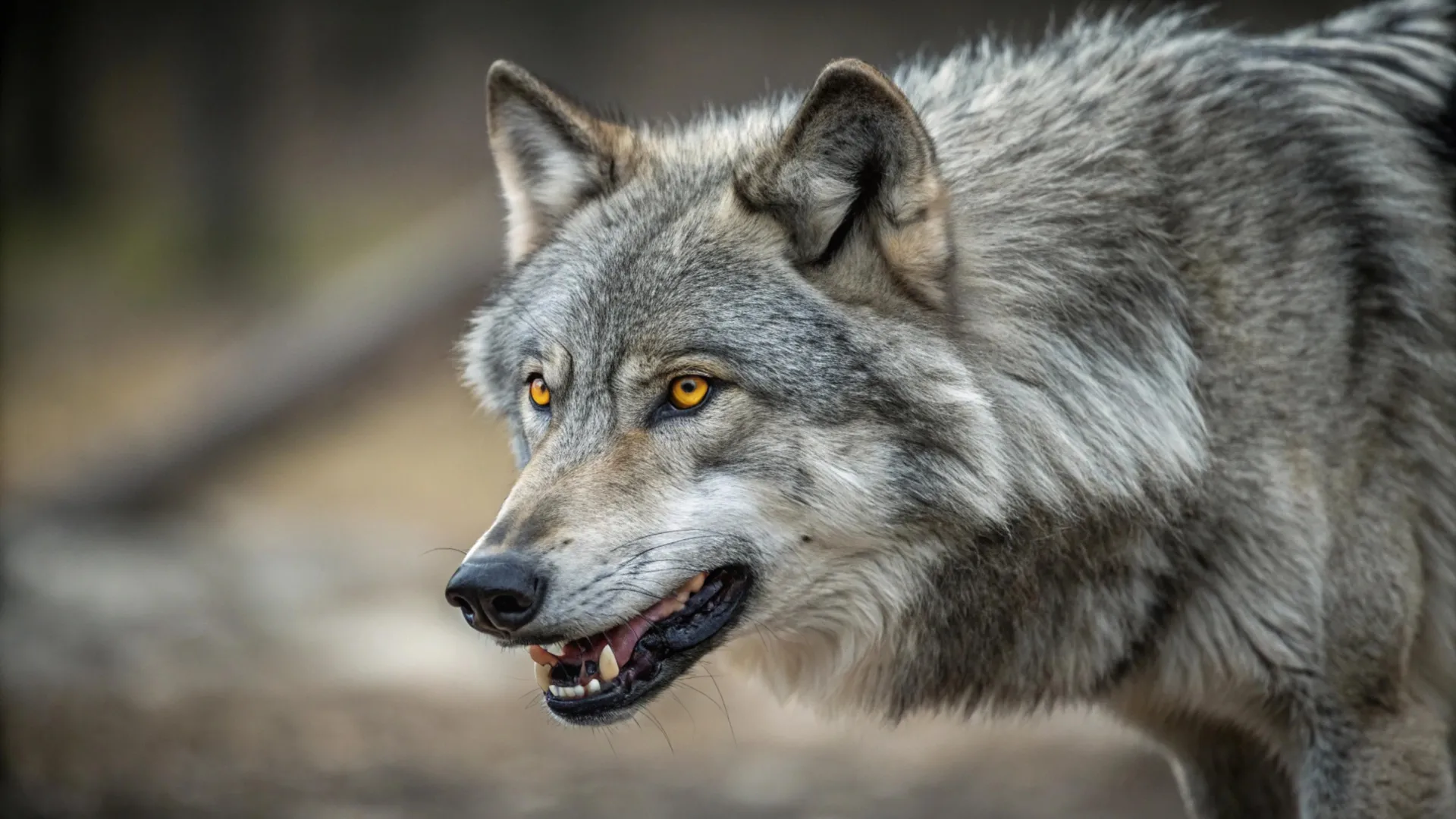
Different species responded in distinct ways to human influences. Wolves expanded their habitat use in response to humans, potentially reflecting behavioral adaptation to historical conflicts with people. White-tailed deer contracted their environmental niches as human presence increased, despite expanding their niches in more heavily modified landscapes. Sandhill cranes displayed the opposite pattern. These varied responses underscore the importance of species-specific conservation approaches.
The research represents part of a broader international effort known as the COVID-19 Bio-Logging Initiative, which studied how wildlife responded during the “anthropause”—the period when pandemic restrictions substantially reduced human activity. The initiative involved 600 partners and assembled location records from approximately 13,000 animals globally. Researchers indicate that combining GPS tracking and mobile-device data can enable more targeted conservation strategies, though they are continuing to investigate whether the behavioral changes they documented represent successful adaptation or signs of wildlife stress.
Article Attribution | Read More at Article Source
Article summary produced by Claude AI