

Researchers from UC Santa Barbara, the Smithsonian’s National Zoo and Conservation Biology Institute, and Yale University conducted a comprehensive study examining how human activity affects animal behavior and habitat use. The investigation combined GPS tracking data from 37 animal species with cellphone location information gathered across the continental United States, with findings published in Science.
The study leveraged an unusual research opportunity created by COVID-19 lockdowns, which dramatically altered human movement patterns. Researchers analyzed weekly GPS records from 4,581 individual mammals and birds during comparable periods in 2019 and 2020, allowing them to separate the effects of human presence from permanent landscape modifications. The use of anonymized cellphone geolocation data marked the first time such information was applied to studying how human presence influences animal movement, providing researchers with direct measurements of human activity rather than indirect proxies.
Results indicated that wildlife responses to humans depend significantly on species and landscape context. The analysis found that 57 percent of studied species experienced effects from both human presence and habitat modification. Human presence alone affected habitat use or environmental niche for 67 percent of mammal species and 68 percent of bird species. Notably, approximately 67 percent of mammals and 41 percent of birds reduced their habitat use in response to the combined influence of human presence and landscape alteration, with particularly strong sensitivity observed in relatively undeveloped areas.
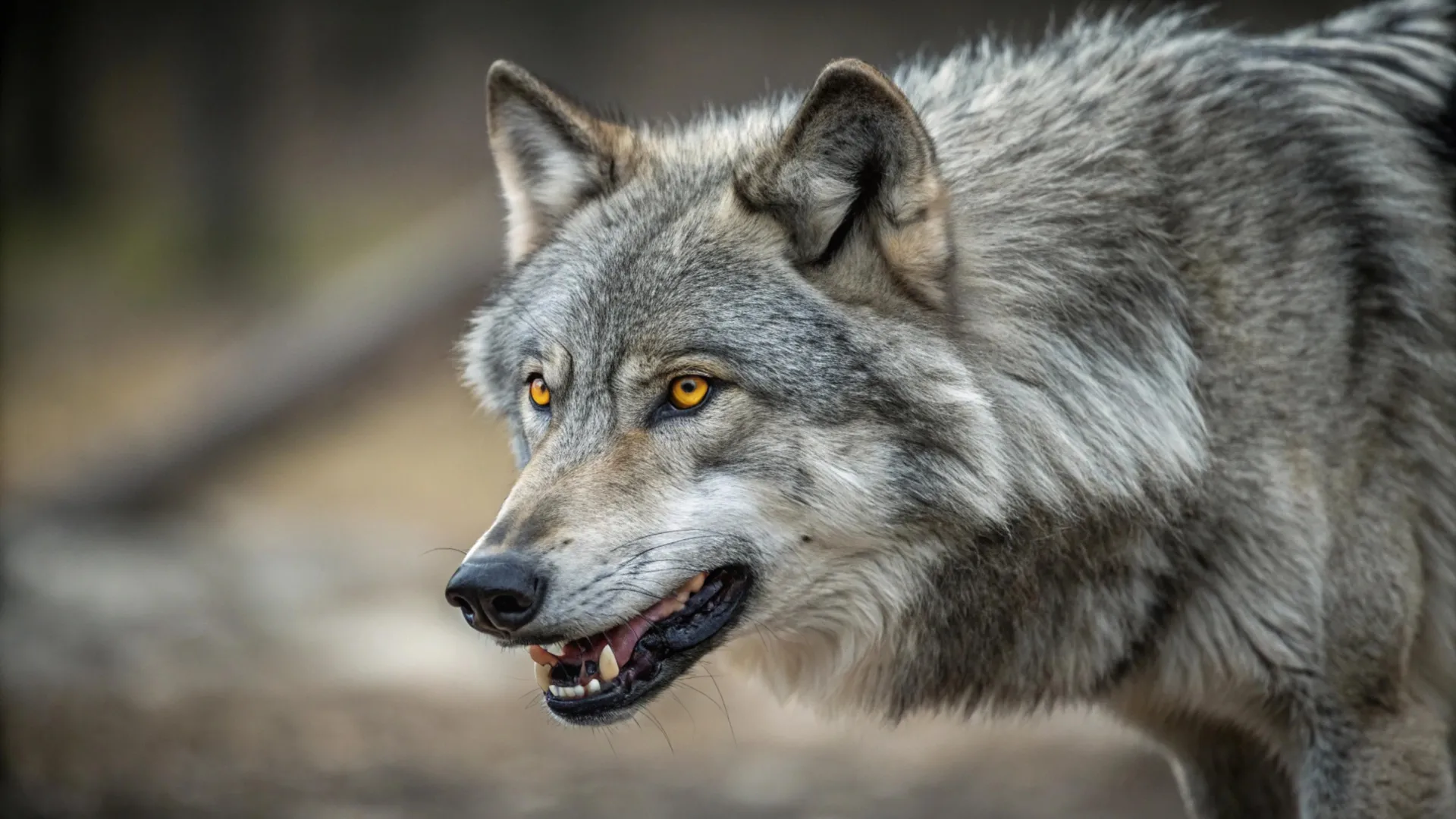
Animal responses varied considerably by species. Wolves expanded their habitat use in response to humans, potentially reflecting historical pressures to distance themselves from people. White-tailed deer contracted their habitat use as human presence increased, despite expanding their environmental niche in more modified landscapes. Sandhill cranes exhibited the opposite pattern from deer. These findings underscore the need for species-specific conservation strategies tailored to individual behavioral tendencies and ecological requirements.
Researchers indicated that future work will investigate whether observed behavioral changes help or hinder wildlife survival, acknowledging that habitat use modifications may represent either successful adaptation or stress responses. The research emerged from the COVID-19 Bio-Logging Initiative, a global collaboration of 600 partners that compiled location records from approximately 13,000 animals to understand how human activities influence wildlife during the period researchers termed the “anthropause.”
Article Attribution | Read More at Article Source
Article summary produced by Claude AI