

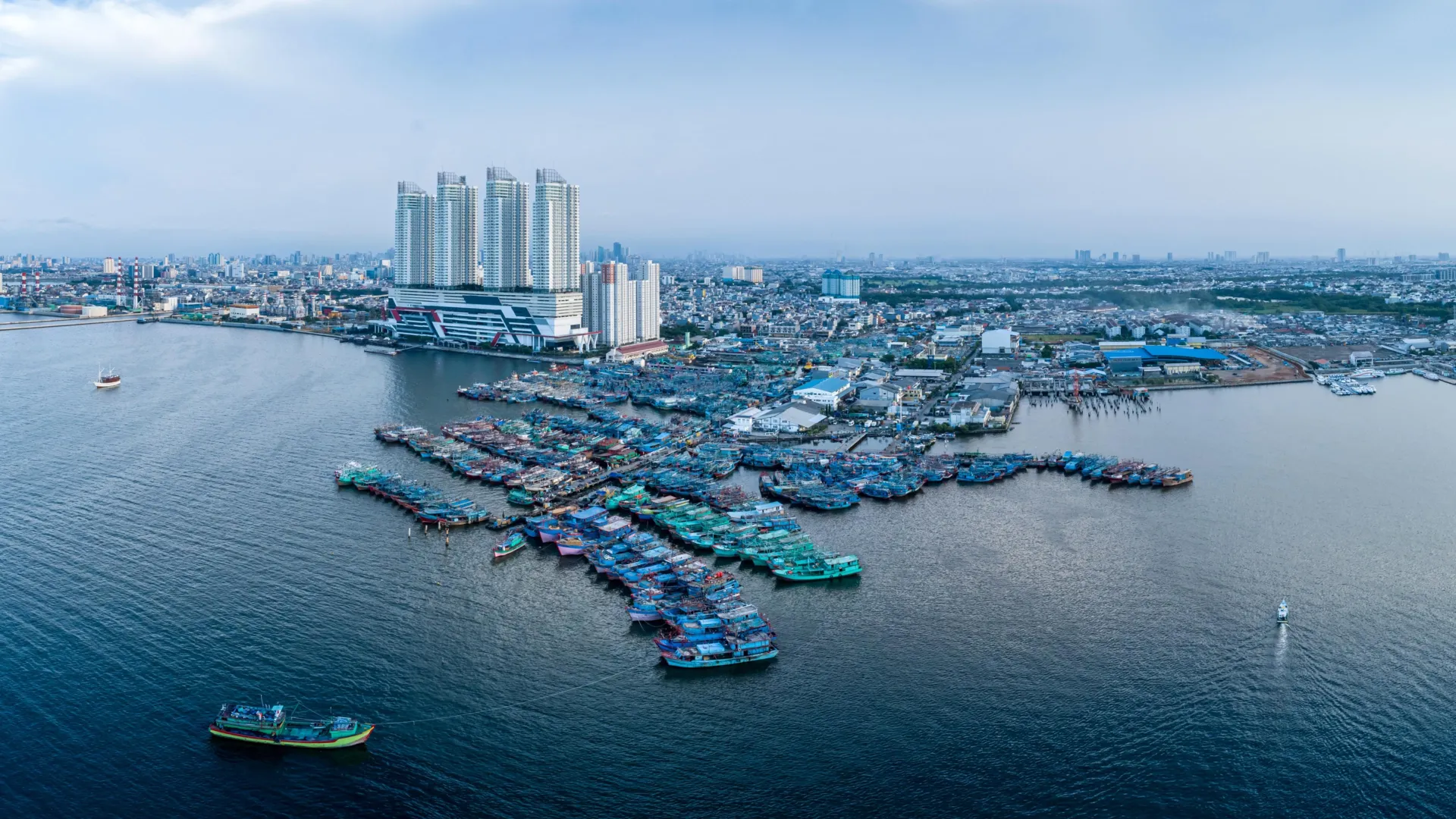
Researchers from the Technical University of Munich and Tulane University have documented that coastal communities face an accelerating flood threat from two simultaneous processes: rising ocean levels and subsiding land. Their findings, published in Nature Communications, reveal that residents of densely populated coastal zones experience significantly greater relative sea level rise than the global average suggests.
People living in major coastal cities encounter average relative sea level rise of approximately 6 millimeters per year, nearly triple the coastline-weighted global average of 2.1 millimeters annually and nearly double the climate-driven absolute sea level rise of about 3.15 millimeters per year. This disparity primarily stems from land subsidence, the gradual sinking of ground beneath coastal urban areas. Multiple factors contribute to this phenomenon, including excessive groundwater extraction, oil and gas production, compression of sediments in river deltas, and the weight of expanding cities. Natural processes such as tectonic activity and crustal adjustments following ancient ice sheet loss also play a role.
Several regions experience particularly severe subsidence. Countries including Thailand, Bangladesh, Nigeria, Egypt, China, and Indonesia report population-weighted coastal averages ranging from 7 to 10 millimeters annually. Major cities show especially rapid sinking rates, with Jakarta subsiding at 13.7 millimeters per year on average, Tianjin at 13.5 millimeters, Bangkok at 8.5 millimeters, Lagos at 6.7 millimeters, and Alexandria at 4 millimeters. Within individual cities, subsidence rates can vary dramatically; Jakarta experiences variations from 42 millimeters annually in some areas to rising land in others.
Not all coastlines are subsiding. Parts of Sweden and Finland experience relative sea level decline due to postglacial rebound, where land uplift following the last Ice Age exceeds the rate of ocean rise. Researchers emphasize that while some subsidence causes are natural, groundwater management represents an area where policy interventions can directly reduce the problem. Tokyo and the Harris-Galveston region of Texas have successfully implemented regulatory frameworks and alternative water supply development, substantially reducing previously severe subsidence rates and demonstrating the potential for local action to mitigate this growing coastal threat.
Article Attribution | Read More at Article Source
Article summary produced by Claude AI