

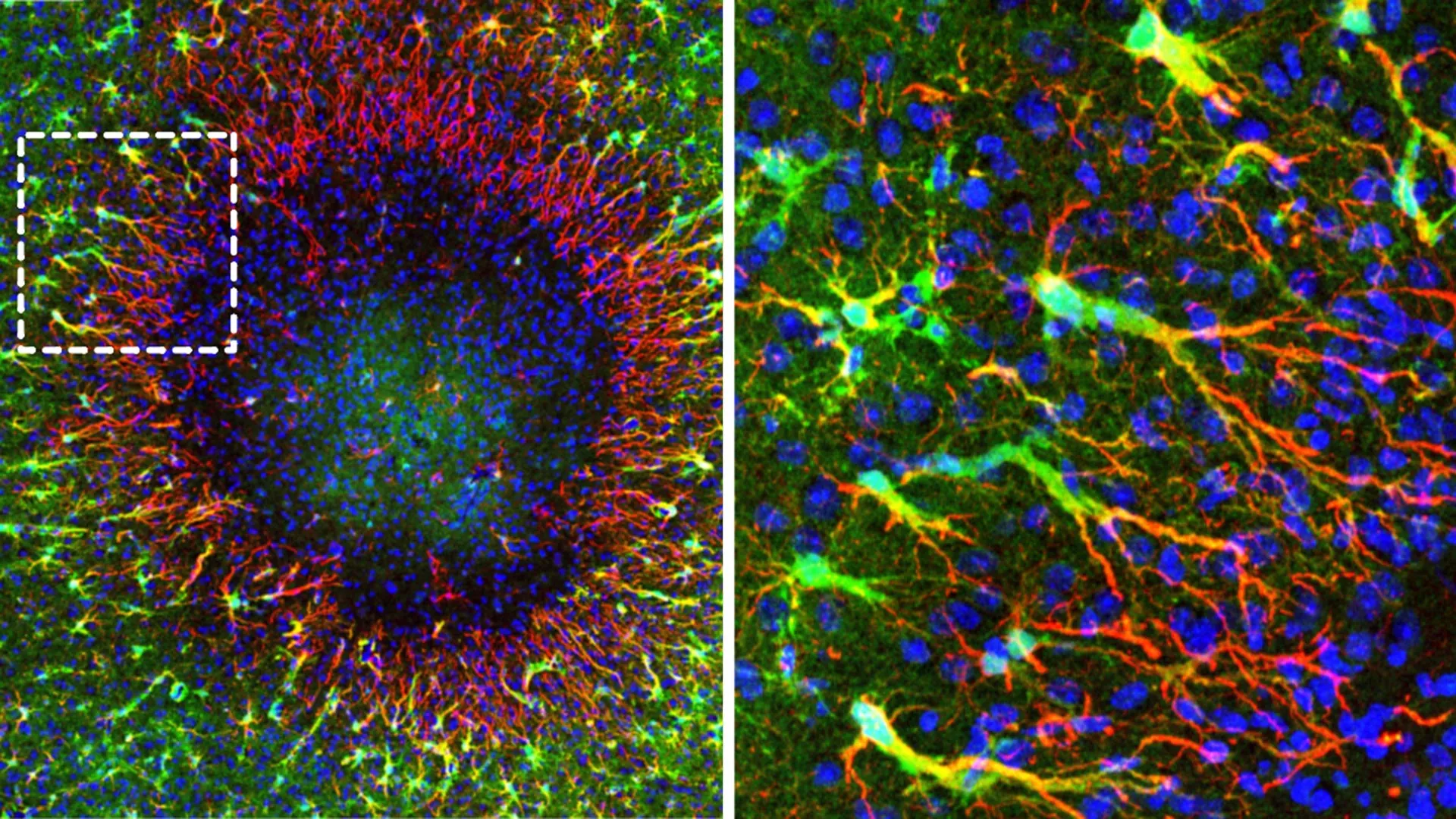
Scientists have identified previously unknown regenerative capabilities in the adult brain, according to research conducted at the University of Zurich. The study focused on astrocytes, star-shaped support cells that provide essential functions including nutrient delivery to neurons, blood flow regulation, and overall tissue health maintenance.
For decades, the scientific consensus held that damage to astrocytes could not be fully repaired in adult brains. Such damage occurs following traumatic brain injuries and in certain autoimmune conditions, notably the rare neuromyelitis optica spectrum disorder, where the immune system attacks and destroys these crucial support cells. The new findings challenge this long-standing understanding.
Researchers led by Bruno Weber, Marina Herwerth, and Matthias Wyss from the Institute of Pharmacology and Toxicology identified a specialized category of “regenerative” astrocytes in living mouse brains. These cells congregate near damaged regions and initiate repair processes. Using advanced two-photon microscopy to observe living mouse brains over several weeks, combined with gene activity tracking, the team documented an unusual regeneration mechanism. Rather than simply replacing damaged cells, these regenerative astrocytes send newly formed cell nuclei from daughter cells across considerable distances through the brain tissue to repopulate injured areas and restore the astrocyte network.
The discovery expands scientific understanding of how the brain’s natural repair systems function following certain types of damage. The researchers also identified multiple genes and signaling pathways that activate temporarily during the repair process. These biological mechanisms could represent potential targets for developing interventions to enhance brain tissue recovery.
Scientists suggest that learning to selectively activate these repair mechanisms could enable more effective restoration of damaged brain tissue and improved outcomes for certain neurological disorders. The identification of active genes and signaling pathways during regeneration may provide starting points for future therapeutic approaches aimed at supporting recovery following brain injury or disease.
Article Attribution | Read More at Article Source
Article summary produced by Claude AI