

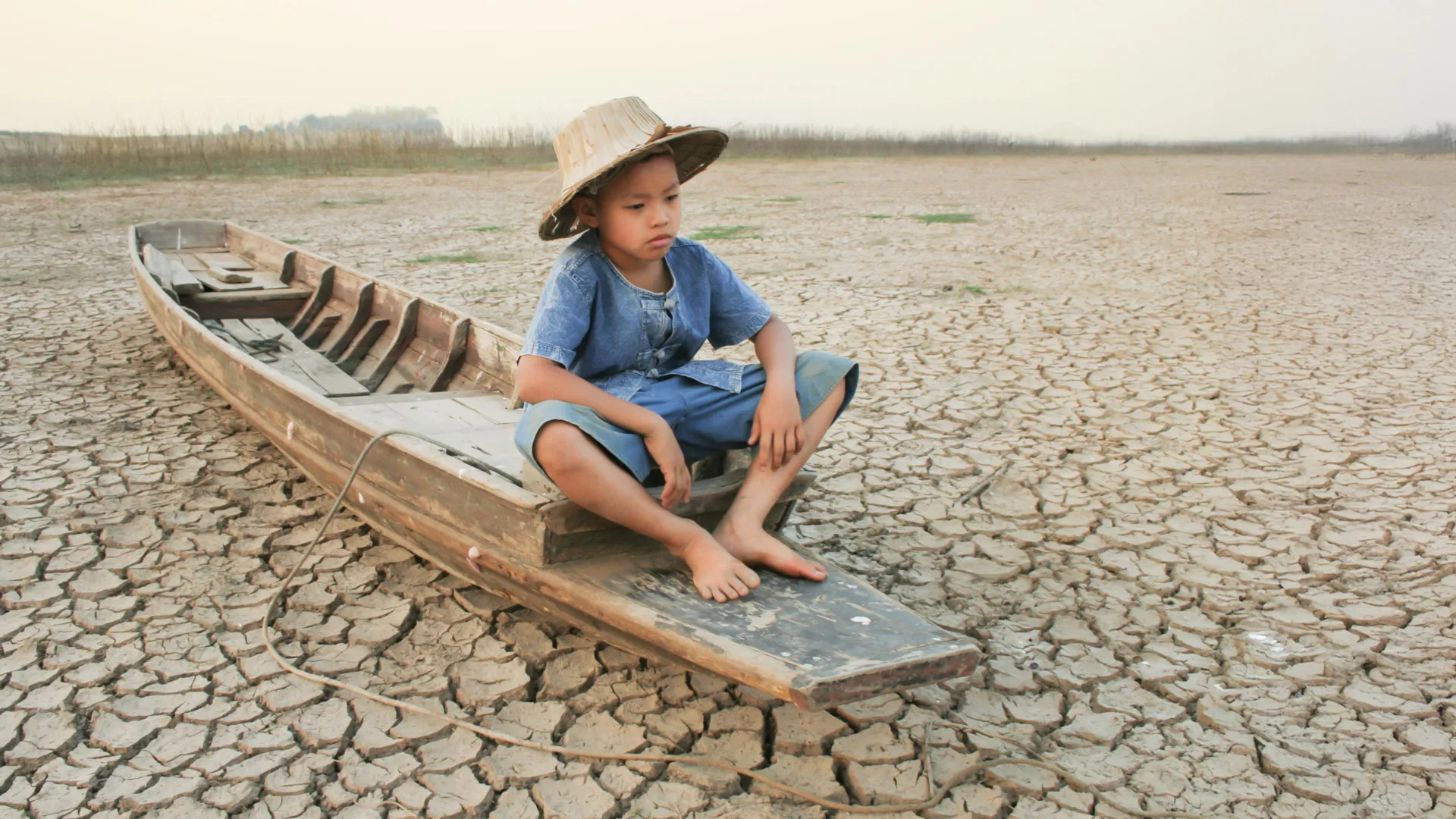
Groundwater reserves beneath High Mountain Asia, commonly referred to as the “Asian Water Tower,” are experiencing significant depletion, according to research led by Prof. Shudong Wang of the Aerospace Information Research Institute of the Chinese Academy of Sciences. The region supplies water critical to agriculture, urban centers, and natural systems across more than a dozen countries downstream, supporting hundreds of millions of people. Satellite-based analysis indicates annual groundwater storage losses of approximately 24.2 billion tonnes.
The research team developed an artificial intelligence-powered assessment framework to overcome challenges posed by limited ground-based monitoring and complex mountainous terrain. By integrating satellite observations, Earth system modeling, and explainable machine learning techniques, researchers reconstructed approximately 20 years of groundwater storage changes and identified the primary drivers of depletion. The study, published in Environmental Research Letters, analyzed data spanning 2003 to 2020.
Findings indicate that roughly two-thirds of High Mountain Asia experienced declining groundwater storage during the study period. The most substantial losses occurred in densely populated downstream basins with intensive irrigation demands, including the Ganges-Brahmaputra, Indus, and Amu Darya basins, while some elevated inland areas saw localized storage increases. Climate factors, particularly changes involving the cryosphere, account for nearly half of observed variation in groundwater storage. However, human groundwater withdrawals have become an increasingly dominant source of depletion, particularly in downstream agricultural regions, with their influence intensifying after 2010.
Projections suggest ongoing groundwater losses if current water usage patterns persist. While temporary relief from accelerated glacier melt may occur around 2060, this buffer effect is limited and expected to be followed by accelerated depletion. Researchers caution that without changes to present water consumption patterns, groundwater depletion could accelerate substantially, posing heightened risks to downstream agricultural zones dependent on these reserves. The study was supported by China’s National Key R&D Program and the National Natural Science Foundation of China.
Article Attribution | Read More at Article Source
Article summary produced by Claude AI