

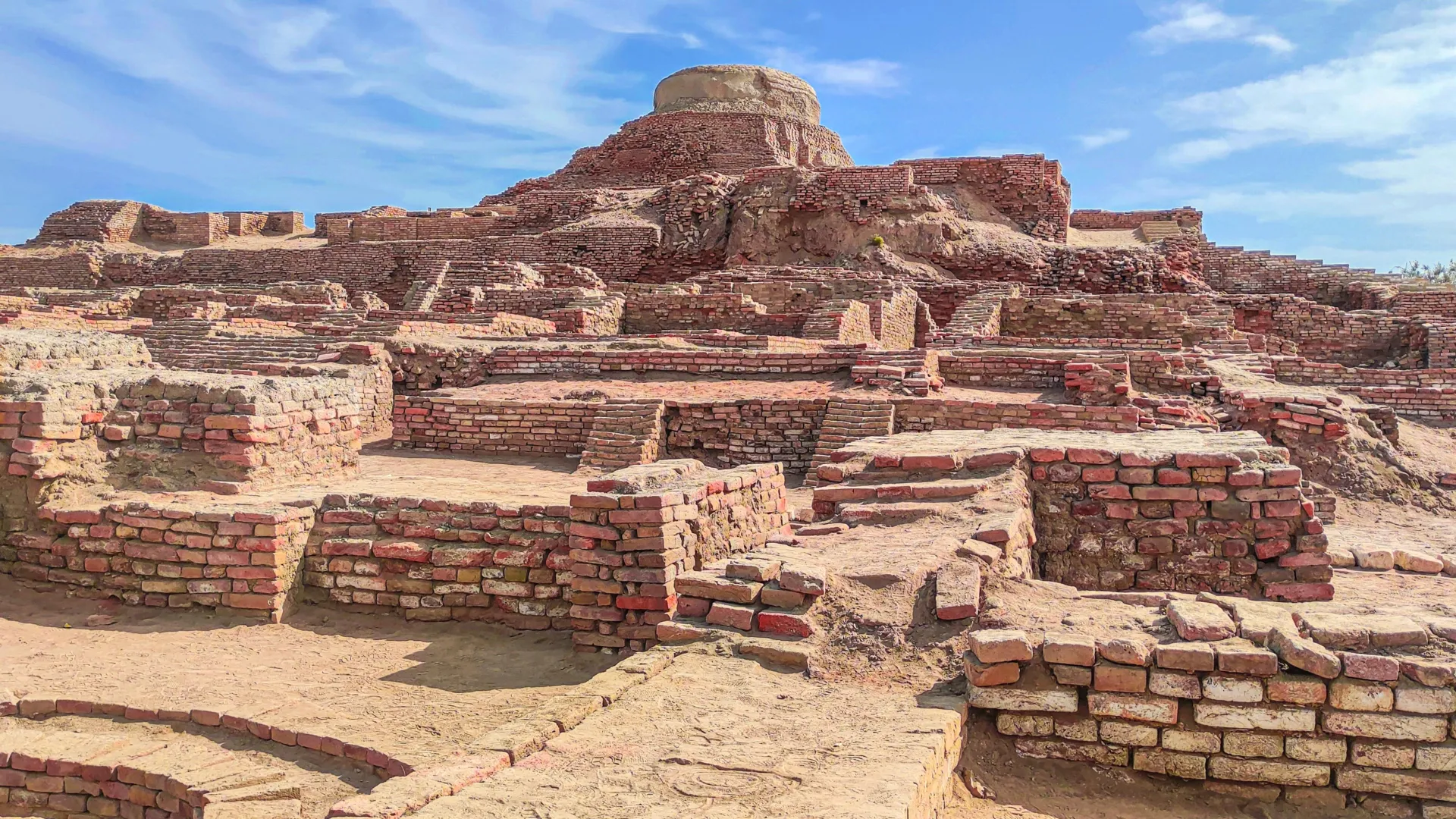
A University of York study examining the ancient city of Mohenjo-daro, the largest urban center of the Indus civilization, has found evidence suggesting the city followed an unusual developmental path compared to other early metropolitan areas. Rather than experiencing increased inequality as it expanded and became more prosperous, Mohenjo-daro appears to have developed in the opposite direction, with wealth distribution becoming more equitable over time.
Researchers led by Dr. Adam Green analyzed variations in residential architecture across the city and discovered that the gap between the largest and smallest homes narrowed as the settlement matured. By the city’s later periods, wealth disparities had decreased to levels comparable to early agricultural villages, contradicting the traditional historical model in which urban development correlates with concentrated power and resources among ruling elites, priests, and other authorities.
The physical infrastructure of Mohenjo-daro reflects this egalitarian approach. Rather than investing in monumental structures like palaces, temples, or elaborate tombs for rulers—patterns seen in contemporary Egyptian and Greek civilizations—the city prioritized practical amenities benefiting the general population. Sophisticated brick-lined drainage systems, organized street layouts, and other shared infrastructure received substantial resources and attention. Archaeological evidence indicates that Indus seals, essential tools for commerce and administration, were distributed among ordinary households rather than concentrated in administrative centers, and no known palaces have been identified where a centralized authority could have monopolized such resources.
Additional factors supporting this interpretation include a standardized system of weights and measures implemented across the region, which may have facilitated fairer commercial transactions. The continued investment in public services and maintenance suggests collective support for infrastructure benefiting all residents rather than a small elite class.
Published in the journal Antiquity, the findings challenge conventional assumptions that economic growth and technological advancement necessarily produce concentrated inequality. The research demonstrates that Mohenjo-daro achieved high productivity and innovation while maintaining relatively equitable resource distribution, potentially offering insights into alternative models of urban organization.
Article Attribution | Read More at Article Source
Article summary produced by Claude AI