

Linus Pauling, a celebrated 20th-century scientist and two-time Nobel laureate, became known in his later career for advocating that very high doses of vitamin C could help cancer patients. Working with Scottish physician Ewan Cameron in the 1970s, Pauling administered large intravenous doses of vitamin C to advanced cancer patients and reported improved survival and quality of life. However, two major clinical trials conducted by the Mayo Clinic using oral vitamin C tablets found no survival benefit, leading the medical establishment to dismiss Pauling’s claims as a cautionary example of expertise in one field not translating to another.
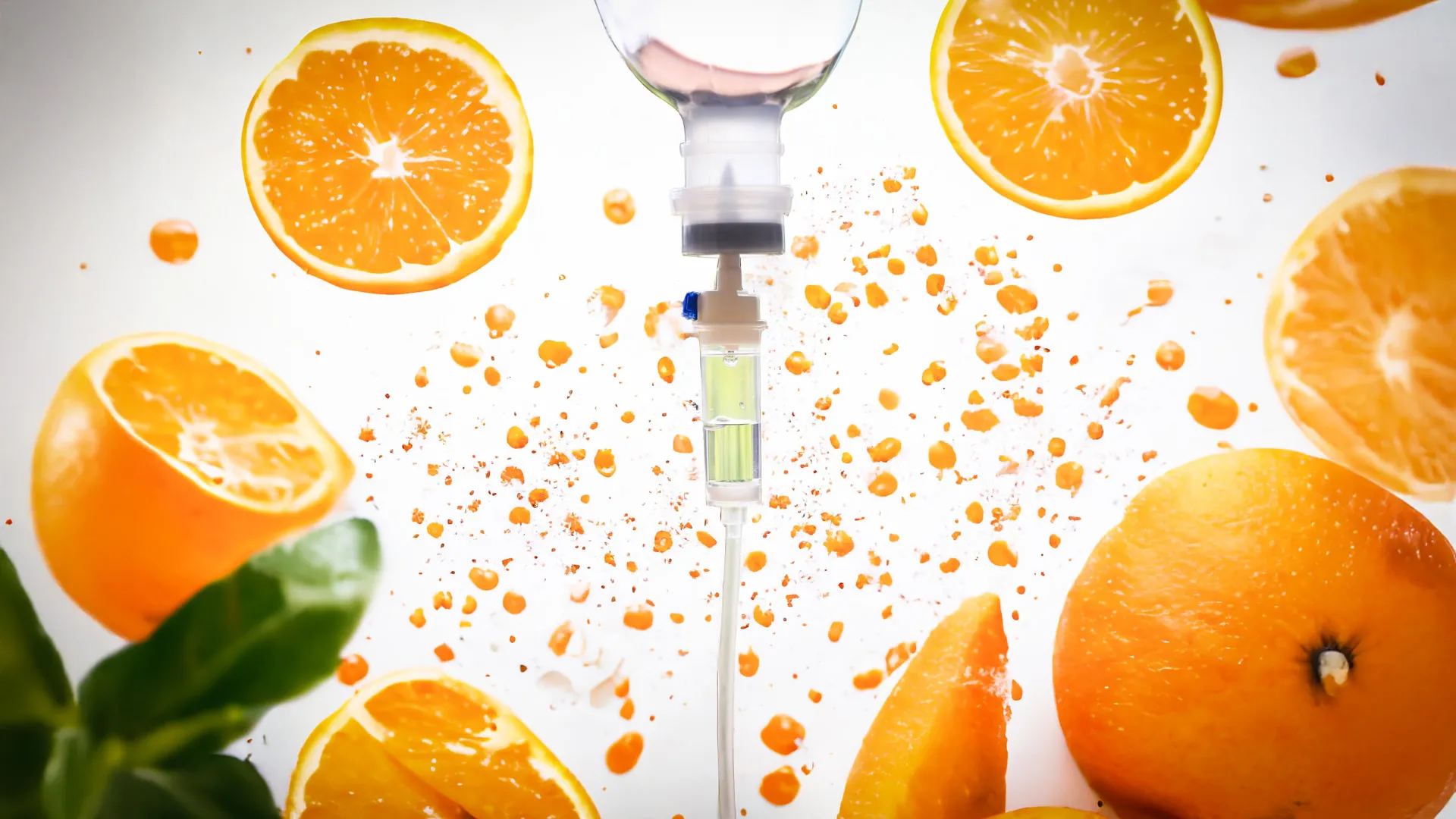
A critical distinction emerged decades later: Pauling and Cameron had used intravenous administration, while the Mayo Clinic trials relied exclusively on tablets. The human digestive system can only absorb a limited amount of vitamin C, causing blood levels to plateau regardless of tablet dosage. Intravenous delivery, by contrast, achieves blood concentrations tens to hundreds of times higher than oral supplements. At these extreme levels, vitamin C undergoes a fundamental change in behavior within the body.
At normal dietary levels, vitamin C functions as an antioxidant, protecting cells from harm. At very high concentrations, particularly near tumors, it reverses this role and generates hydrogen peroxide—a reactive compound that damages cells. Cancer cells appear especially vulnerable because they already operate under stress, growing rapidly with inadequate blood supply while producing numerous reactive molecules that strain their internal defense systems. A sudden influx of hydrogen peroxide can overwhelm these damaged cells, destroying their DNA and energy systems while leaving normal, healthier cells relatively protected. In this manner, high-dose vitamin C behaves more like a selective chemotherapy agent than a standard nutritional supplement.
Emerging clinical evidence remains preliminary and mixed. Small trials administering high-dose intravenous vitamin C to patients with difficult-to-treat cancers, including ovarian, pancreatic, and brain tumors, show that most tolerate the treatment without serious adverse effects, though complications can arise in patients with kidney dysfunction or specific inherited conditions. Some studies suggest vitamin C infusions combined with chemotherapy may modestly extend survival or reduce side effects, while others show no clear advantage. A consistent finding across multiple trials involves quality of life improvements, with patients reporting reduced fatigue, pain, and chemotherapy-related nausea.
Currently, high-dose intravenous vitamin C remains experimental rather than proven cancer treatment. While Pauling was incorrect about oral supplements and overstated vitamin C’s curative potential, he was not entirely mistaken in proposing that very high intravenous doses might possess unique anti-cancer properties. Modern research has validated his intuition regarding the distinct biological effects of intravenous administration, though definitive randomized trials demonstrating clear survival benefits for most cancer patients have not yet materialized. Large-scale clinical studies remain necessary before such treatment could replace conventional therapies.
Article Attribution | Read More at Article Source
Article summary produced by Claude AI