

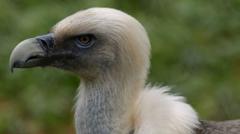
Vulture populations across West Africa have experienced dramatic declines over recent decades, with conservationists warning that the birds face near-extinction due to multiple overlapping threats. According to recent research, African vulture populations have fallen between 80% and 97% over a 50-year period, with seven species now classified as globally Endangered or Critically Endangered. The primary driver of vulture decline is hunting connected to traditional spiritual and medicinal practices, particularly in West and southern Africa.
The ecological consequences of vulture loss extend beyond the species itself. Scientists emphasize that vultures provide critical ecosystem services through their consumption of carrion, preventing carcasses from becoming reservoirs for disease transmission. Their powerful stomach acids allow them to safely consume animals infected with pathogens including anthrax and rabies, effectively stopping zoonotic disease spread. Without this natural sanitation system, researchers warn that regions experiencing total vulture population collapse have documented rising instances of disease outbreaks. Additional threats facing vulture populations include habitat destruction driven by rapid urbanization and poisoning, which accounts for approximately 60% of vulture deaths across Africa.
Dead vultures have become increasingly valuable, with prices in Nigeria rising from approximately 25,000 to 30,000 naira historically to as much as 200,000 naira currently. Vulture eggs and nests are increasingly targeted, creating compounding pressures on species with naturally slow reproduction rates. Individual vultures typically reach reproductive maturity between ages five and seven and produce only one chick every one to two years, with high juvenile mortality further limiting population recovery.
One notable exception to regional decline exists in Awka-Etiti in southeastern Nigeria, where a sacred forest surrounding a traditional shrine has provided protection for vultures. Local conservationist Chukwuemeka Igwe has mobilized community members over six years to protect the birds from external hunters, establishing local bylaws and deploying security teams. Community monitoring has recorded increases from approximately 20 vultures recorded in 2017 to over 160 currently. Regional conservation experts plan to convene later this year in Abuja to review the West African Vulture Conservation Action Plan, originally drafted in 2022.
Article Attribution | Read More at Article Source
Article summary produced by Claude AI