

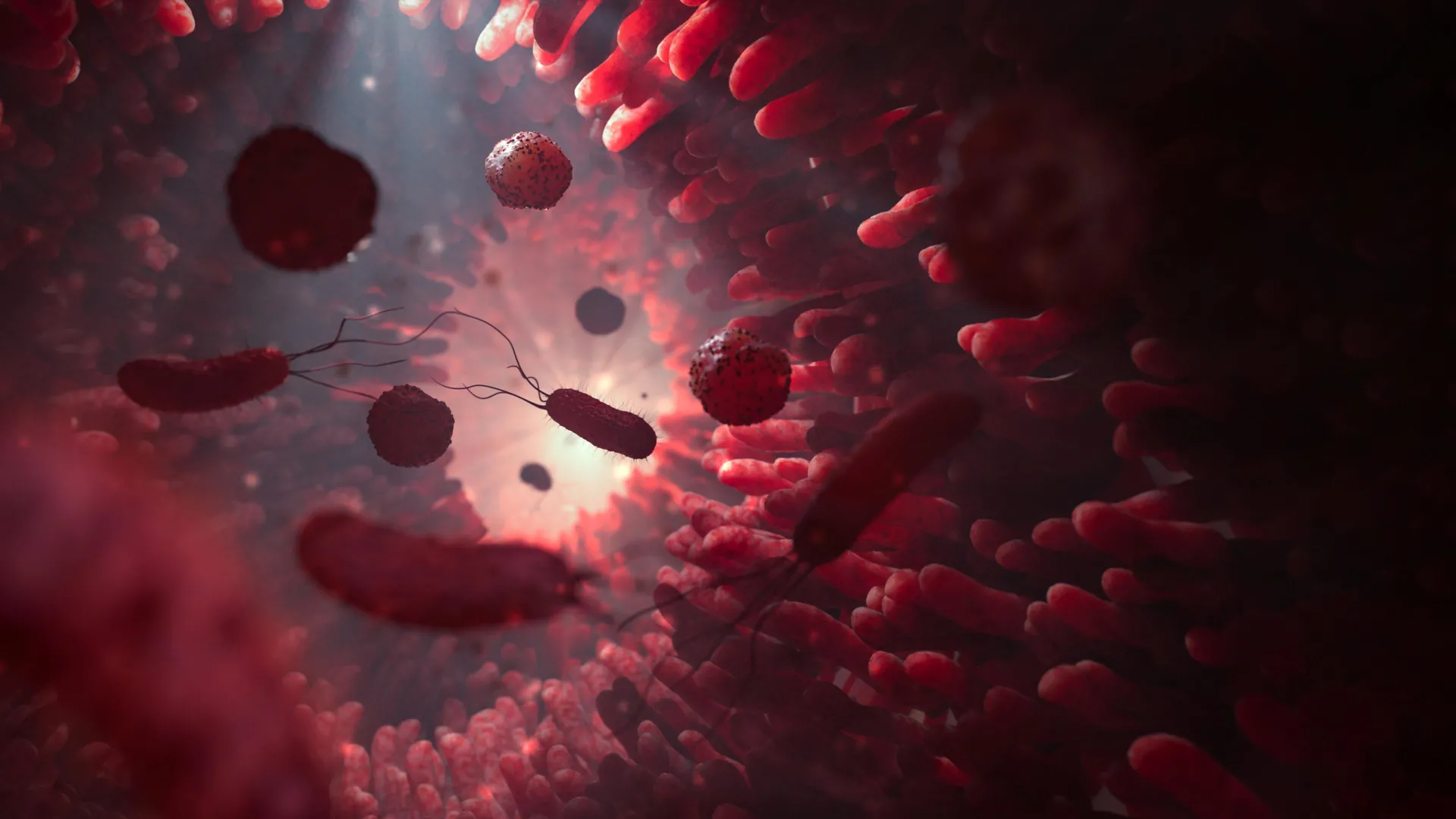
Researchers at Ludwig Princeton have published findings that advance understanding of how plant-based diets influence gut microbial processes and their health effects. One study appeared in the Proceedings of the National Academy of Sciences, while a second was published in Nature Metabolism in June. The research, led by Jenna AbuSalim and Joshua Rabinowitz, examined how specific dietary components alter the metabolic outputs of intestinal bacteria.
The first study focused on phenol metabolites—compounds produced when gut bacteria break down amino acids. Researchers found that plant fiber and indigestible plant proteins, termed “proteins imitating fiber” or Prif, shift the balance of these metabolites from harmful varieties associated with poor health outcomes to beneficial forms linked to gut health and healthy body weight. Using isotope labeling to trace compound origins, the team discovered that harmful phenols were produced when bacteria consumed host proteins, including those in the gut mucus lining. Beneficial phenols, conversely, came almost entirely from dietary sources. Fiber reduced bacterial consumption of the gut lining, while Prif increased the amount of dietary protein available to microbes, promoting production of healthier metabolites.
The second study challenged longstanding assumptions about metabolite origins. Scientists had generally believed that phenols and indoles—compounds studied for potential therapeutic applications—were produced exclusively by gut bacteria. Using isotope tracing in mice, rats, and human cells, researchers demonstrated that mammalian cells can produce substantial quantities of these metabolites independently. Some metabolites remained at high levels even after antibiotic treatment disrupted the microbiome, while others produced solely by microbes declined significantly.
Together, the studies provide a more detailed understanding of how diet, host metabolism, and microbial activity interact to produce health-relevant compounds. The findings suggest that indigestible plant proteins may represent an emerging nutritional category warranting greater scientific and practical attention. Researchers indicated that enhanced knowledge of how specific foods influence microbial metabolite production could support development of more targeted dietary and therapeutic interventions for disease prevention and treatment.
Article Attribution | Read More at Article Source
Article summary produced by Claude AI