

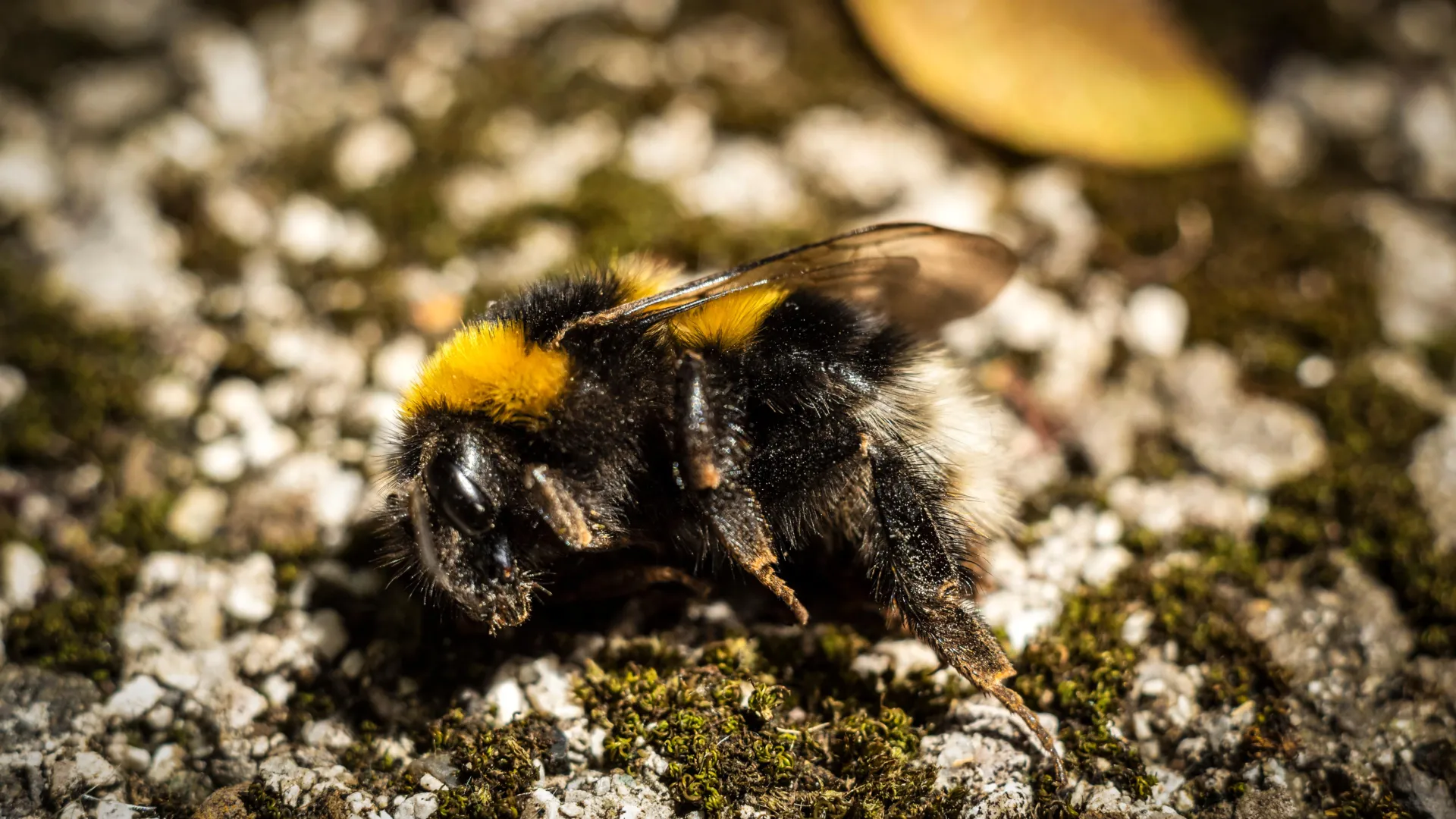
Observers may notice deceased bumblebees on pavements during warmer months, a phenomenon with multiple interconnected causes. Bumblebee colonies maintain themselves through active worker populations with relatively short lifespans of 4-6 weeks. When older bees die, younger workers remove them from the colony to prevent disease transmission, transporting bodies some distance away.
Weather plays a significant role in these deaths. Record heat in June this year, with additional high temperatures anticipated for the remainder of the season, creates thermal stress for bumblebees. Extreme heat disrupts their reproduction, flight capacity, and foraging ability. While bees employ cooling mechanisms such as wing-fanning, these strategies have limits during intense heat events. Bees may increase foraging activity and cover greater distances in response to heat, though this places additional physiological strain on their bodies.
Chemical exposure represents another critical factor. Pesticide and herbicide applications harm bees both directly and indirectly by eliminating food sources. Plants such as dandelions provide essential nectar, yet are frequently targeted by herbicide treatments. Although the EU and UK have prohibited the most harmful neonicotinoids, other pesticides including organophosphates, synthetic pyrethroids, and phenylpyrazoles continue to cause paralysis, death, and navigation disruption in bee populations.
Habitat destruction compounds these pressures. Land conversion for housing, intensive agriculture, and infrastructure development reduces available spaces where bees can survive. Climate change introduces additional complications through phenological mismatch, where dependent organisms become asynchronous—flowers bloom when bees are absent, or bees emerge from hibernation to find no available nectar.
Global bee populations face alarming declines, with European wild bee species at risk of extinction more than doubling from 77 in 2014 to at least 172 currently. Since bees facilitate pollination for approximately 75 percent of global crops and 90 percent of flowering plants, population collapse threatens food security worldwide. Individuals can help by supporting sustainable agriculture, planting native flowering species, and offering sugary water to struggling bees encountered on hot days.
Article Attribution | Read More at Article Source
Article summary produced by Claude AI