

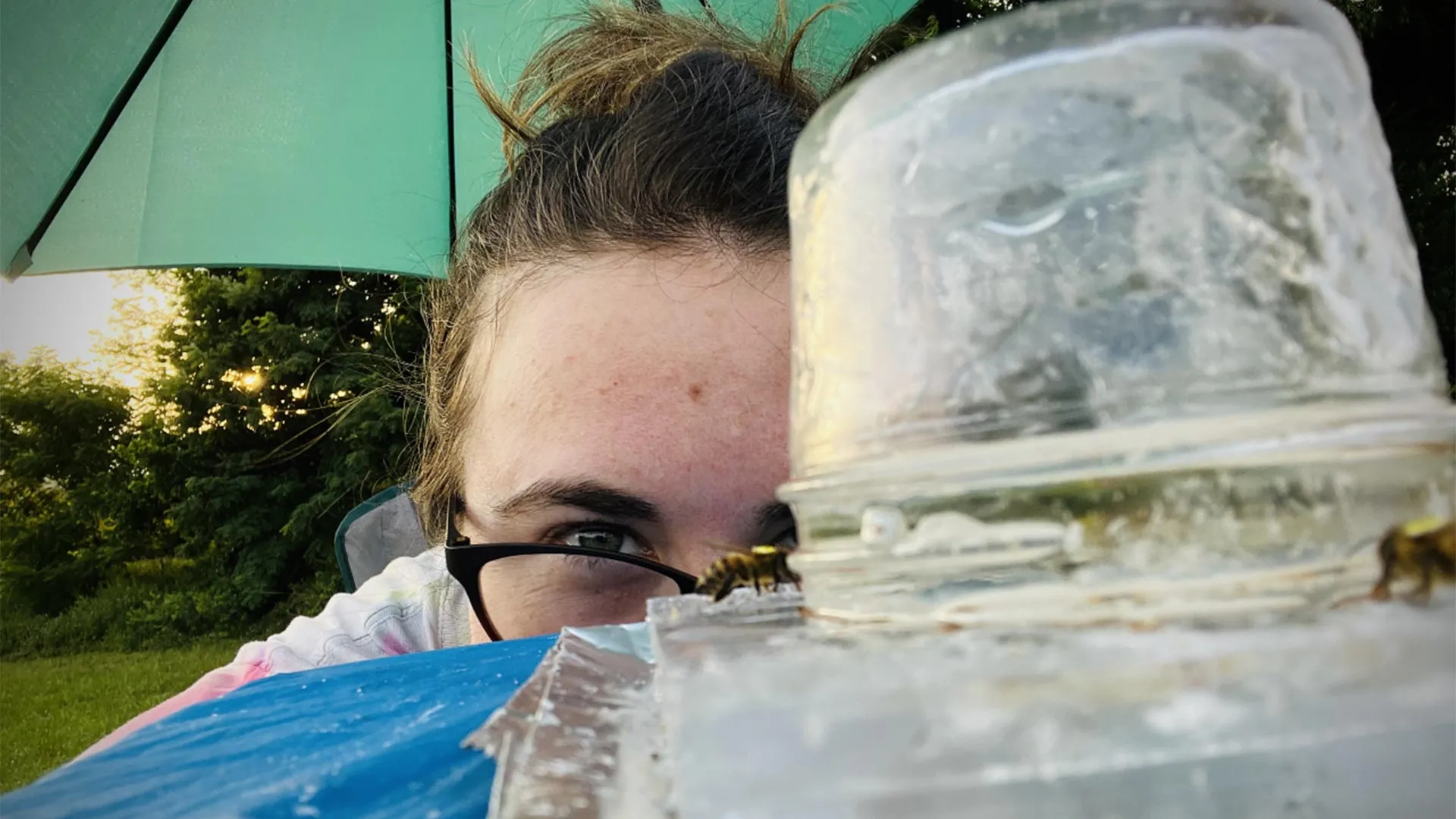
Researchers at Virginia Tech conducted a study examining the effects of glyphosate exposure on honeybee behavior and neurochemistry. The investigation was motivated by the widespread use of glyphosate-based herbicides in agricultural and residential areas where honeybees forage for nectar and pollen, creating frequent opportunities for exposure.
The study, published in the Journal of Experimental Biology, used artificial feeding stations to monitor bee behavior over several days. One feeder contained glyphosate while a control feeder did not. Results showed that honeybees exposed to the herbicide exhibited a 13 percent decline in foraging activity after only three days. Additionally, the researchers identified changes in brain chemistry, including shifts in amino acids and neurotransmitters associated with behavior regulation, in the exposed bees compared to controls.
While glyphosate is not typically lethal to honeybees, the findings indicate it produces sublethal effects that can still cause meaningful harm. Associate Professor Margaret Couvillon noted that a 13 percent reduction in foraging across an entire colony could have significant consequences, potentially leading to decreased pollination effectiveness, reduced honey production, and compromised colony survival and long-term stability.
The researchers emphasized that their findings raise important questions about herbicide application in areas frequented by pollinators. They called for improved regulation, more strategic application methods, and additional research to understand how glyphosate interacts with honeybee biology under real-world conditions. Given that glyphosate is among the world’s most widely applied herbicides and honeybees represent crucial pollinators globally, the potential consequences of their interaction may be more substantial than previously recognized.
Article Attribution | Read More at Article Source
Article summary produced by Claude AI