

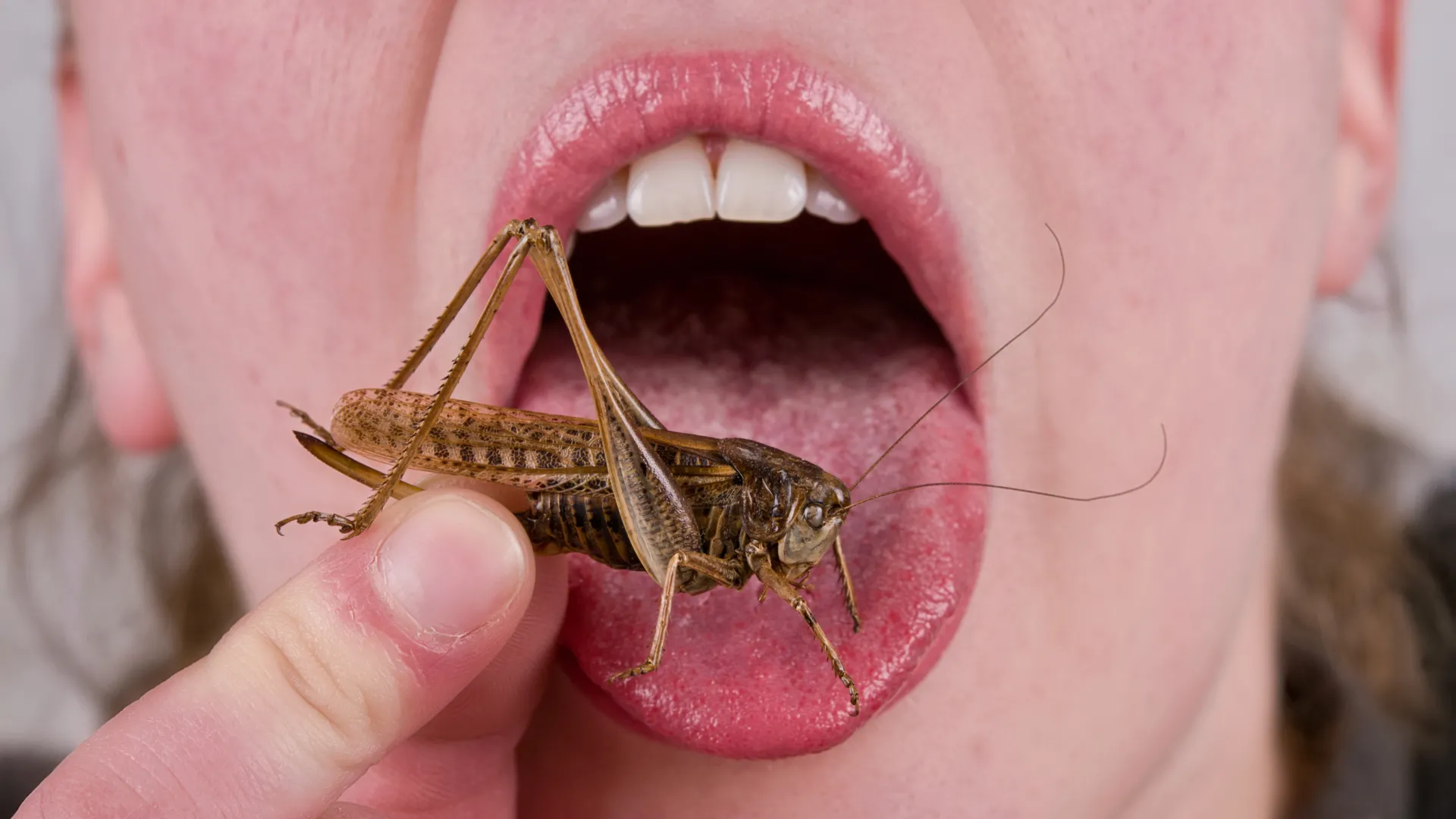
Scientists from the Institute of Evolutionary Biology in Barcelona have used genomic analysis of ancient dental calculus to trace patterns of insect consumption over thousands of years, revealing that resistance to eating insects in Western societies may have biological and ecological origins extending far into the past.
The research team examined 745 dental tartar samples from anatomically modern humans dating back as far as 33,000 years, along with Neanderthal and Denisovan specimens. The analysis revealed that modern humans living in northern Eurasia did not regularly consume insects, contrasting sharply with findings from Neanderthal remains, which contained significantly more insect DNA. Notably, genetic evidence showed that North Eurasian populations developed mutations in chitinase genes—responsible for breaking down chitin, the primary component of insect exoskeletons—a pattern that has persisted for approximately 9,000 years since the rise of agriculture.
The study found markedly different patterns in tropical populations, where humans and their ancestors maintained higher expression of insect-digesting enzymes and more consistently included insects in their diets. Neanderthals demonstrated greater capacity for insect consumption, with their chitinase genes supporting more efficient digestion. The research suggests that reduced availability and increased collection costs in non-tropical regions gradually made insects less economically viable as a food source, leading to both behavioral shifts and biological adaptation over millennia.
While cultural and religious factors have historically been cited as explanations for Western reluctance toward entomophagy, the findings indicate that ecological pressures and evolutionary history played substantial roles. Modern insect farming and industrial processing may alter this equation by eliminating the need to digest large quantities of chitin, potentially making insects a practical alternative protein source as global food systems face mounting pressures from population growth and climate change. Research groups are now investigating insect domestication to understand how farming practices may enhance insect-based food production for both animal feed and human consumption.
Article Attribution | Read More at Article Source
Article summary produced by Claude AI