

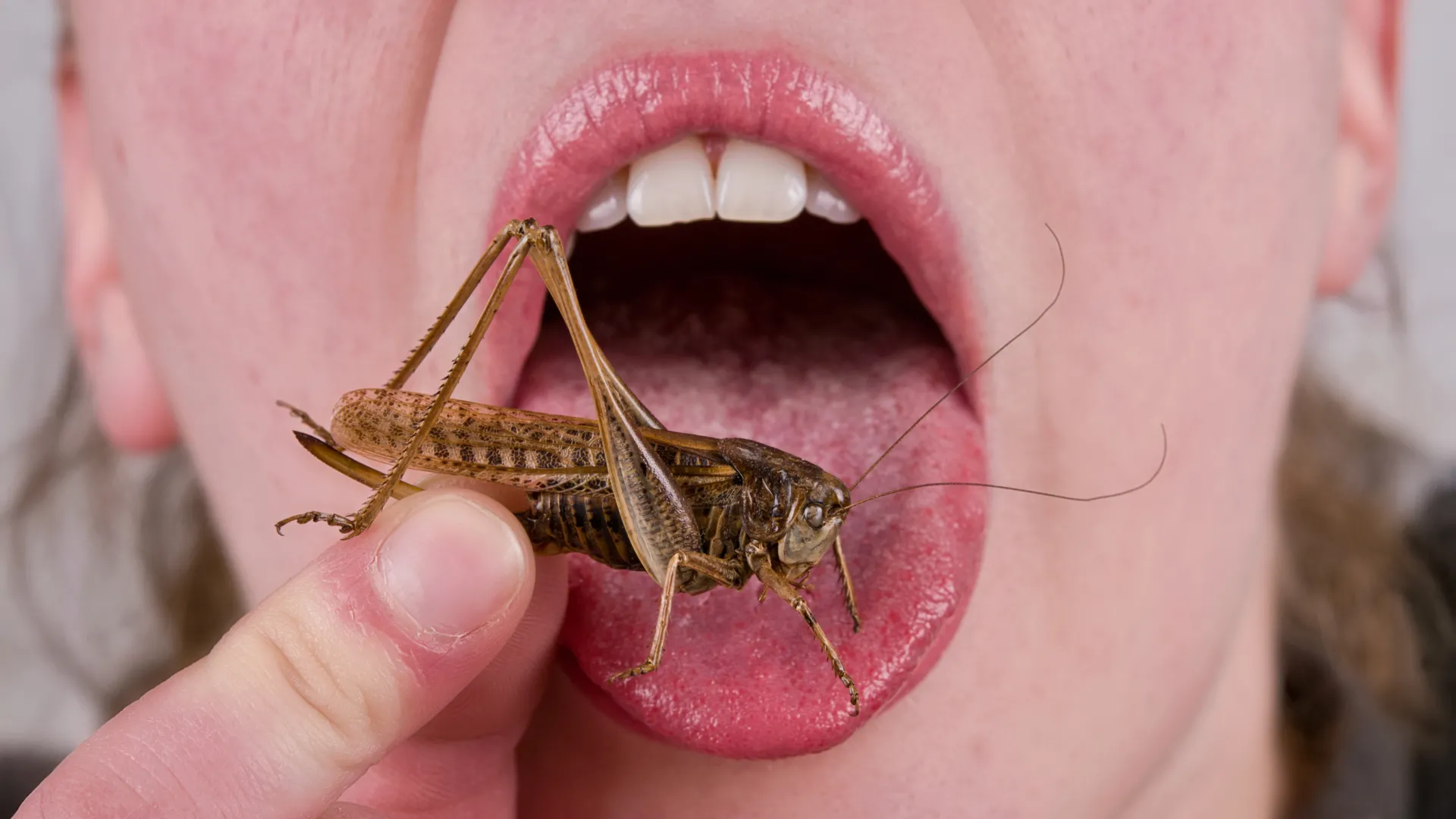
Scientists from the Institute of Evolutionary Biology in Spain have conducted a large-scale genomic study examining patterns of insect consumption across human history. By analyzing dental calculus from 745 ancient human samples dating back as far as 33,000 years, researchers identified genetic and dietary evidence that reveals significant regional differences in insect eating habits throughout human evolution.
Findings from northern Eurasia indicate that anatomically modern humans in these regions consumed insects only occasionally and accidentally. The research also detected specific mutations in chitinase genes—enzymes responsible for breaking down chitin found in insect exoskeletons—among North Eurasian populations. These genetic patterns have persisted for approximately 9,000 years, corresponding to the emergence of agriculture. In contrast, Neanderthals living in similar environments showed substantially higher levels of insect DNA in their dental remains, with particularly abundant mosquito traces that suggest regular consumption of animal carcasses containing fly larvae.
The study revealed marked geographical differences in insect consumption capabilities. Populations in tropical regions carried genetic variants associated with enhanced production of chitin-digesting enzymes, reflecting sustained reliance on insects as food sources. As human populations migrated to higher latitudes, expression of these digestive enzymes gradually decreased over thousands of years, correlating with the abandonment of insect-based diets in European regions.
Researchers conclude that Western resistance to entomophagy likely stems from multiple factors beyond recent cultural traditions. The reduced availability of insects in non-tropical climates may have made their collection economically unfavorable, leading both to behavioral shifts and biological adaptation over millennia. Modern technological advances in insect farming and processing could potentially change this equation, prompting scientists to investigate how insect domestication might develop and contribute to future food systems.
Article Attribution | Read More at Article Source
Article summary produced by Claude AI