

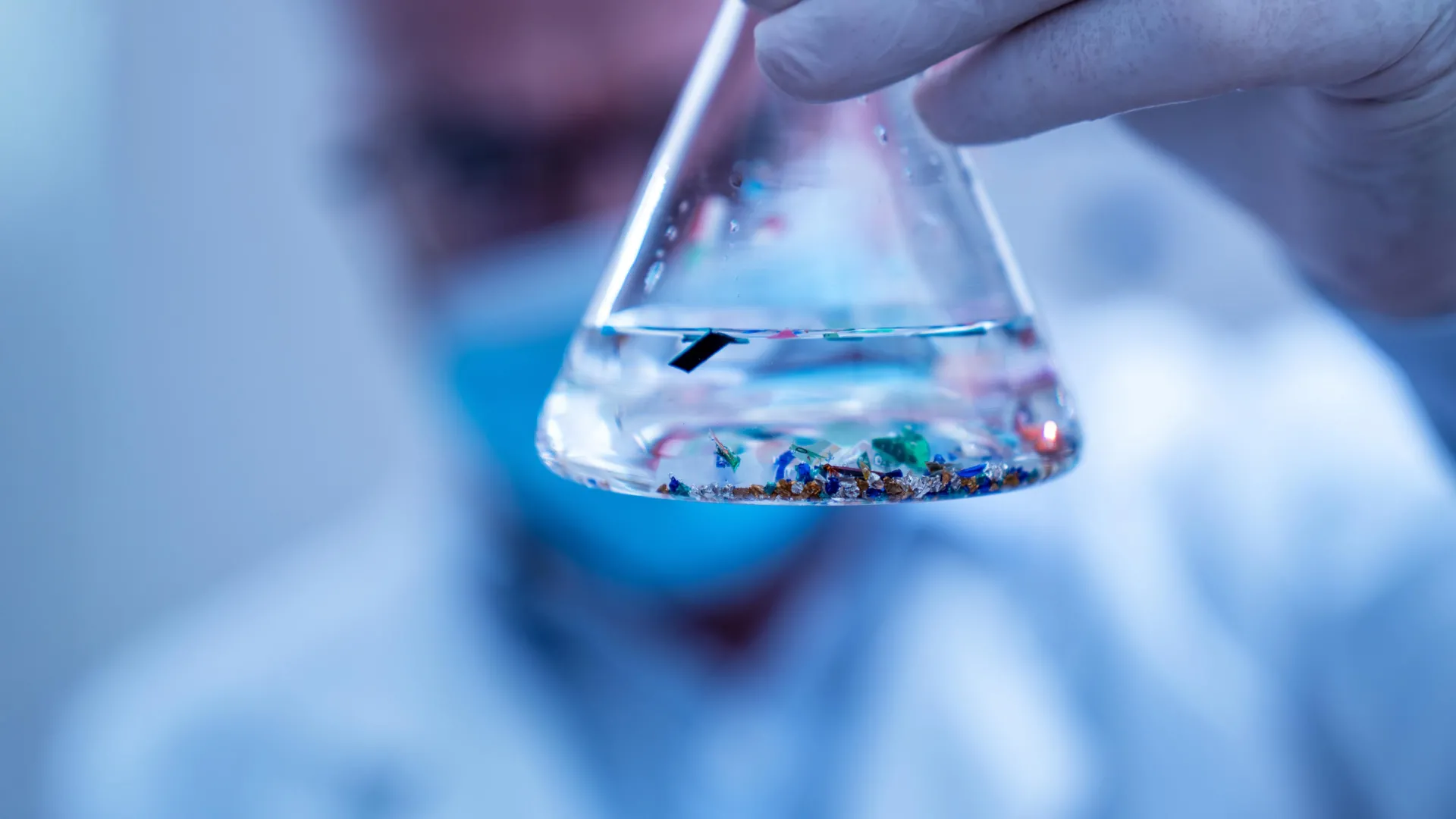
Scientists at the Department of Energy’s Oak Ridge National Laboratory have created a novel process for converting polyethylene, a widely used plastic found in shopping bags and cutting boards, into fuel products resembling gasoline and diesel. The technique combines plastic waste with molten salts containing aluminum chloride, which simultaneously serve as the reaction medium and catalyst for the chemical transformation. The research team has filed for patent protection and published their findings in the Journal of the American Chemical Society.
The conversion process operates at temperatures below 200 degrees Celsius, a significant advantage compared to conventional polyethylene-to-fuel technologies that typically require temperatures between 450 and 500 degrees Celsius. Researchers identified that charged aluminum atoms within the molten salt create highly acidic catalytic sites capable of breaking apart the long molecular chains in polyethylene into smaller hydrocarbon molecules. Laboratory experiments demonstrated a gasoline yield of approximately 60 percent under relatively mild reaction conditions. The polymer structure influences the type of fuel produced, with simpler chains generating gasoline-like compounds and more complex chains yielding diesel-like materials.
A distinctive feature of the ORNL approach is its simplicity relative to existing polymer-to-fuel conversion technologies. The process eliminates the need for expensive noble-metal catalysts, organic solvents, external hydrogen sources, and chemical initiators, potentially making it easier and more economical to scale beyond laboratory settings. Researchers from multiple scientific disciplines used advanced analytical techniques, including soft X-ray spectroscopy, nuclear magnetic resonance, neutron scattering, and gas chromatography-mass spectrometry, to understand the reaction mechanisms at the molecular level.
ORNL’s decades-long history with molten salt research, dating back to nuclear reactor experiments in the 1960s, provided the foundation for this application. Project leadership emphasized that the research addresses fundamental scientific questions while opening potential economic opportunities in plastic waste management and fuel production, which could contribute to energy security and industrial competitiveness.
Article Attribution | Read More at Article Source
Article summary produced by Claude AI