

A research team has identified strong evidence that certain cosmic X-ray flashes originate from colliding neutron stars, according to findings published in Science Bulletin. The discovery emerged from analysis of an event detected on July 4, 2025, by multiple satellites including the Einstein Probe, which has identified hundreds of bright X-ray flashes since its launch in January 2024. These transient events have proven difficult to categorize, with origins ranging from stellar deaths to unexplained sources.
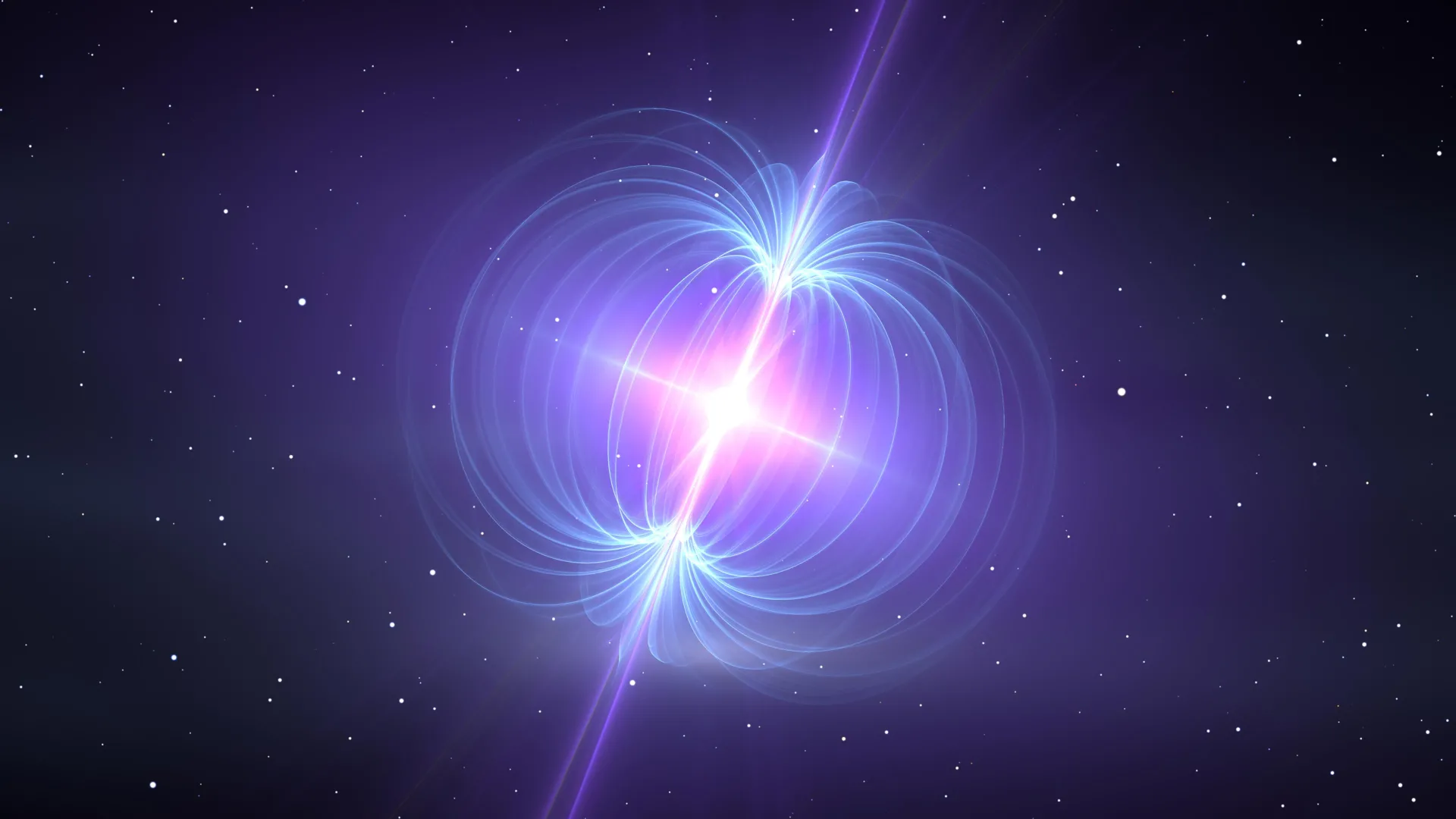
The research group, led by Professor Eleonora Troja and supported by a European Research Council grant, conducted rapid follow-up observations using ground-based telescopes after receiving an alert about the event. By examining the aftermath of the explosion using instruments such as the Very Large Telescope and Very Large Array, the team concluded they may have witnessed the formation of a magnetar—a rapidly spinning neutron star with an extraordinarily powerful magnetic field—created when two neutron stars merged. While gamma-ray bursts have traditionally served as the primary electromagnetic signature of such mergers, magnetars can sustain and amplify emissions for extended periods by channeling their magnetic energy outward.
The observed event, designated EP250704a/GRB 250704B, produced a gamma-ray burst lasting approximately half a second, followed by bright X-ray emission that persisted for nearly ten minutes. Graduate student Niccolò Passaleva led the observational follow-up and noted this represents the longest lasting prompt X-ray flash ever recorded from a neutron star merger. Using spectroscopic analysis, the research team determined the explosion occurred more than six billion years ago and measured its redshift at 0.6610. Critically, observations revealed no accompanying supernova, which would be expected if the flash had originated from a collapsing massive star.
The combination of measured distance, absence of a supernova, and distinctive burst characteristics provided compelling evidence attributing the event to neutron star merger. The findings suggest that fast X-ray transients previously classified as mysterious may actually represent a new class of observable signature from such cosmic collisions. If additional similar events are detected and characterized, astronomers could determine how frequently neutron star mergers generate magnetars and potentially correlate X-ray flashes with gravitational wave signals from the same source.
Article Attribution | Read More at Article Source
Article summary produced by Claude AI