

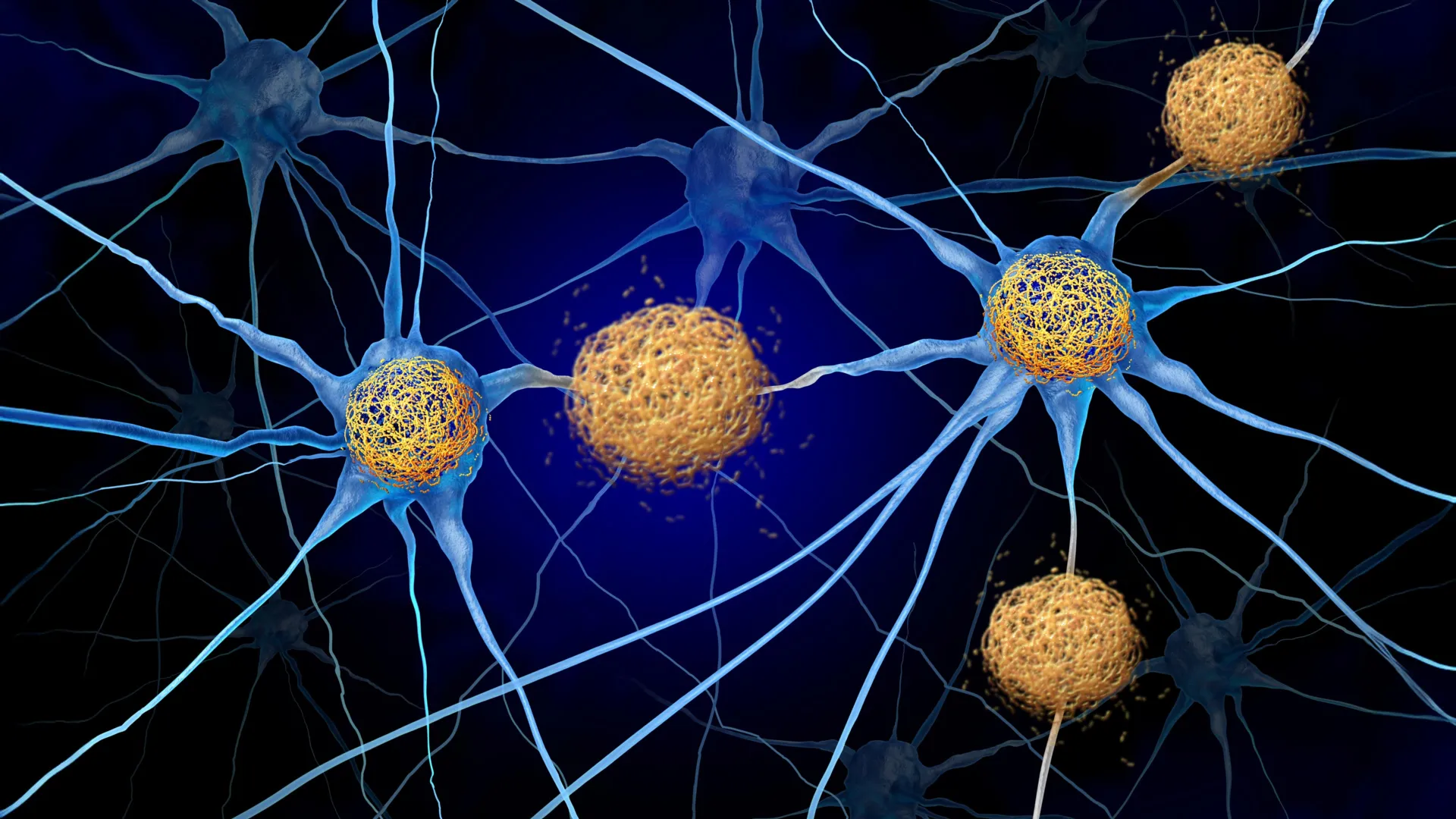
A study conducted by scientists at the University of Oslo and published in Nature Neuroscience suggests that brain imaging technology could identify Alzheimer’s-related changes substantially earlier than previously recognized. The research indicates that structural alterations in the brain may occur at least seven years before amyloid plaques become detectable through standard positron emission tomography (PET) scans, the current primary imaging method for identifying early Alzheimer’s disease.
The investigation tracked cognitively healthy individuals who underwent magnetic resonance imaging (MRI) scans over a nearly 20-year period. Researchers compared brain structure changes among participants who subsequently developed detectable plaques with those who did not, examining MRI data from the decade preceding plaque detection. This longitudinal approach allowed scientists to identify the earliest structural signals associated with disease progression in individuals experiencing normal cognitive function.
According to the research team, these findings suggest that disease-related biological processes may be active in the brain long before they become apparent through existing imaging techniques. The study raises questions about the mechanisms underlying early Alzheimer’s pathology. One possibility is that harmful processes contributing to or resulting from plaque accumulation are already occurring despite plaques remaining undetectable. Alternatively, separate biological processes unrelated to amyloid plaque formation may be causing the observed brain changes.
These results have potential implications for Alzheimer’s treatment development. If brain changes originate through mechanisms independent of amyloid plaque accumulation, therapeutic strategies targeting alternative biological pathways may warrant continued investigation and development. The research underscores the complexity of Alzheimer’s disease progression and its connection to aging, while highlighting the value of long-term imaging studies in understanding disease onset. Further research is needed to clarify the biological mechanisms involved and to determine how these earlier detected changes might inform future clinical approaches.
Article Attribution | Read More at Article Source
Article summary produced by Claude AI