

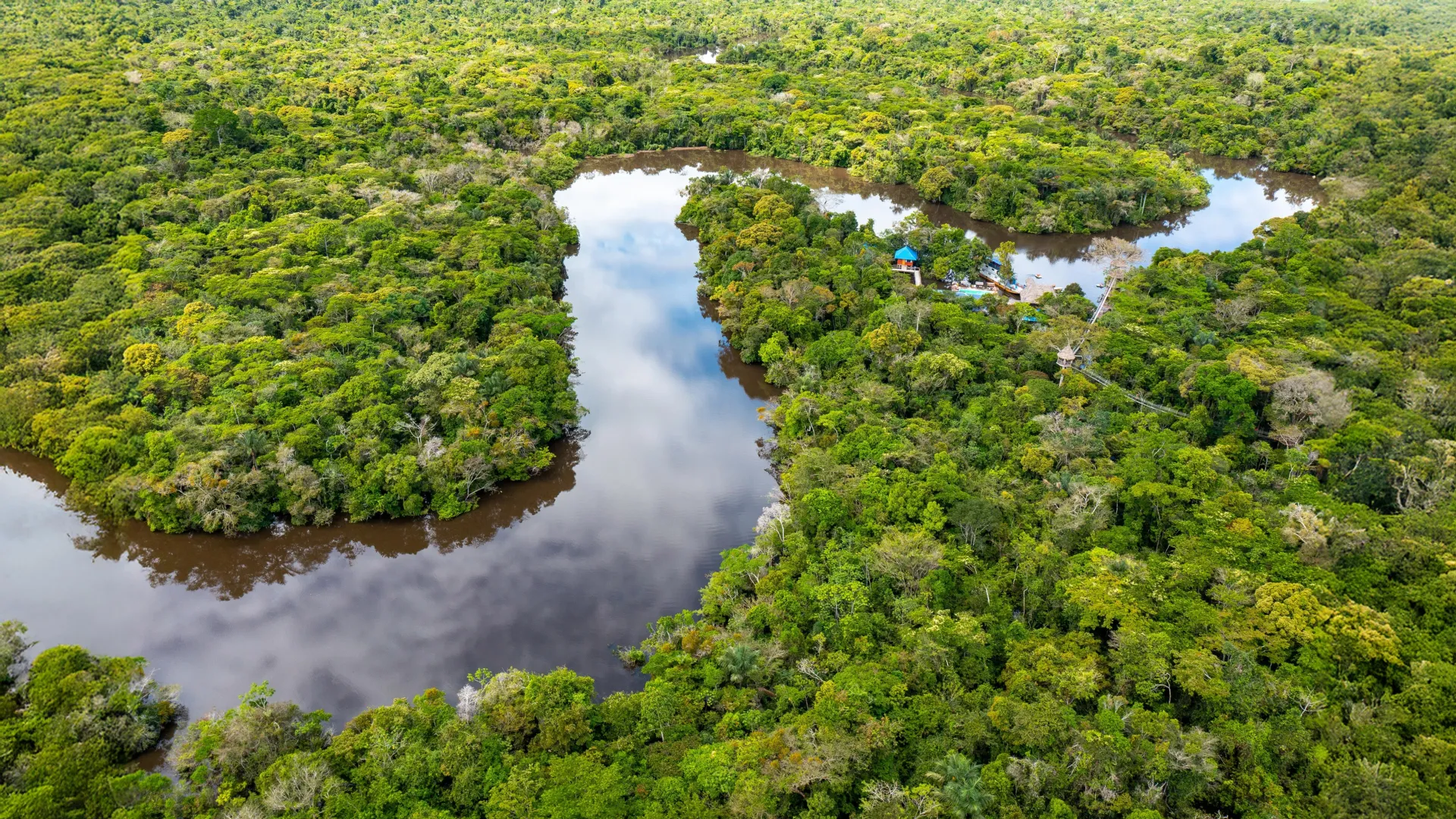
An international research team has completed what it describes as the first systematic comparison of different forest conservation strategies across the Amazon, with findings published in Science this month. The study, led by scientists at Lancaster University and involving researchers from Brazil, Sweden, and Australia, evaluated approaches to protecting existing forests and restoring cleared land across more than three million hectares in two regions of Brazil’s Pará state between 2010 and 2020.
The researchers combined satellite imagery with field observations from 381 survey transects and 499 properties to assess impacts on forest biodiversity and carbon stocks. Using this data, they modeled what would have occurred under different conservation scenarios and calculated the cost-effectiveness of each approach. The analysis encompassed 160 bird species and 426 tree species, providing comprehensive data on ecosystem responses.
The study found that preventing disturbances within standing forests—including damage from selective logging and wildfires—produced the largest benefits for forest biodiversity and were nearly as effective as stopping deforestation when protecting carbon stocks. Forest restoration on agricultural land, while valuable in heavily cleared landscapes, proved less cost-effective when implemented alone and represented the most expensive intervention studied. The researchers concluded that no single strategy could reverse overall biodiversity and carbon losses across the full study area.
Combining all three approaches—preventing deforestation, reducing forest disturbances, and restoring cleared land—delivered the greatest gains. The findings suggest conservation resources should be allocated based on landscape-specific conditions rather than applying uniform strategies everywhere. Scientists emphasized that restoration remains necessary but should accompany, not replace, protection of existing forests. The researchers also noted that commodity industries producing soy and beef bear responsibility for addressing forest degradation linked to their supply chains, alongside government and conservation efforts. The study’s conclusions may extend to tropical deforestation frontiers globally and potentially inform conservation policy in other regions.
Article Attribution | Read More at Article Source
Article summary produced by Claude AI