

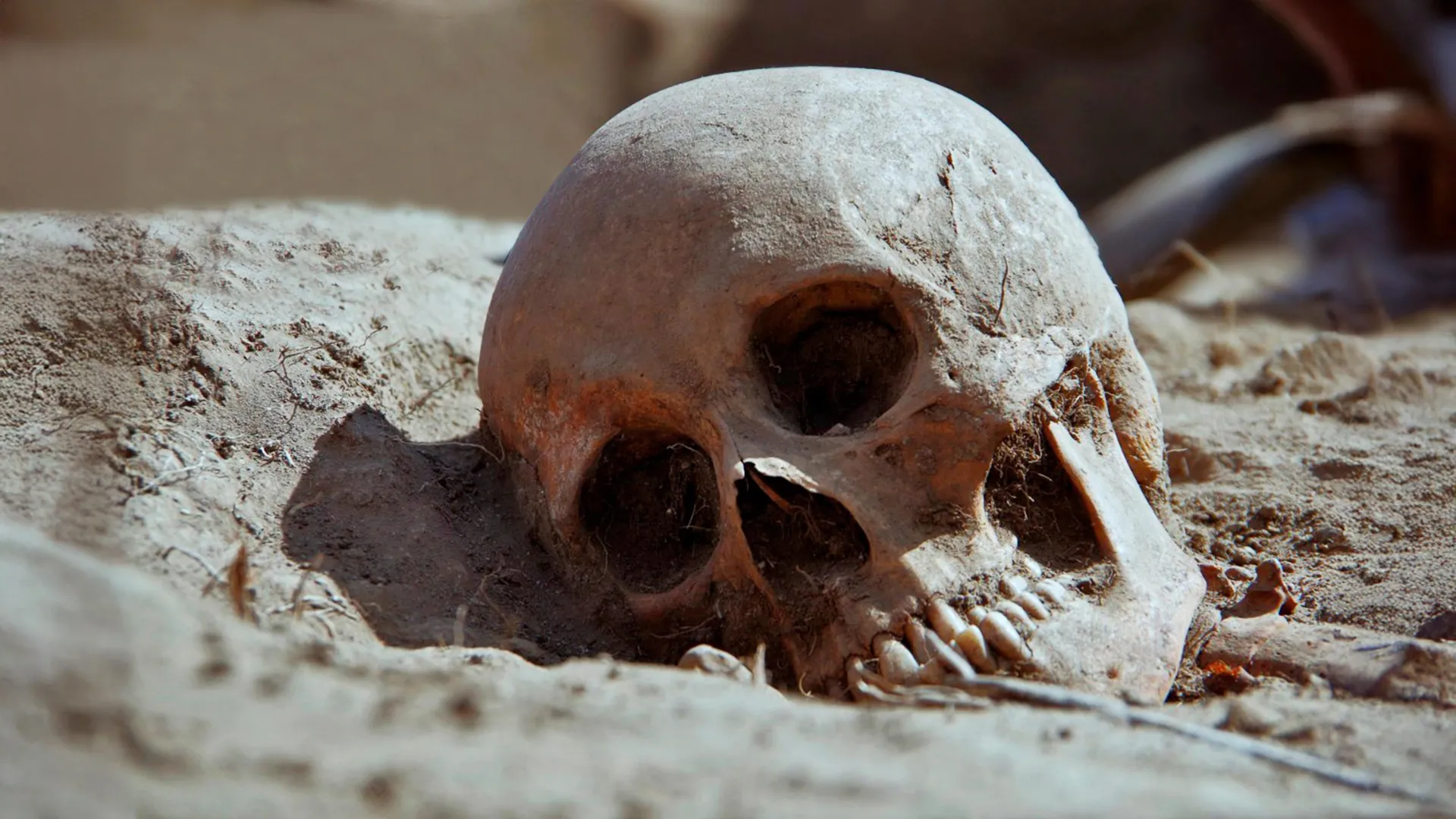
A research team led by the University of Tartu has conducted an extensive genetic analysis of the plague bacterium Yersinia pestis using DNA preserved in archaeological human remains. The study reconstructed 26 bacterial genomes from samples recovered at 11 archaeological sites across Estonia, Russia, England, the Netherlands, and Switzerland, with materials dating from the fourteenth through eighteenth centuries. This period encompasses the Second Plague Pandemic, the centuries-long resurgence of plague that followed the initial Black Death outbreak.
The genetic evidence indicates that plague did not persist in a single location before repeatedly spreading outward. Instead, the disease appears to have reemerged in different regions of Europe over hundreds of years, potentially establishing multiple separate reservoirs where the bacterium could survive in wild rodent populations. A particularly significant pattern emerged around 1450-1500, when plague lineages underwent major expansion and divided into three distinct branches. Researchers suggest that climate variations, particularly the Great Renaissance Drought, may have contributed to these expansions by affecting outbreak patterns in wild rodent populations that serve as natural hosts.
Addressing a fundamental challenge in studying historical disease outbreaks, the research team developed improved methods for dating ancient samples with greater precision. While archaeological remains typically carry broad dating ranges spanning decades or longer, the scientists used genetic evolutionary patterns to narrow these timeframes, allowing them to correlate ancient infections with specific historical plague waves recorded in contemporary chronicles. The analysis revealed that human activities, particularly military conflicts, significantly influenced plague’s spread. Genetic records linked outbreaks to the Thirty Years’ War and the Great Northern War, demonstrating how troop movements, refugee populations, and trade routes facilitated disease transmission across regions.
The comprehensive study, which combined ancient DNA analysis with archaeology, historical documentation, and radiocarbon dating, represents the most detailed genetic reconstruction of the Second Plague Pandemic to date. Researchers emphasized that understanding how plague became established after the Black Death, persisted for centuries, and eventually disappeared from Europe provides valuable insights into the long-term behavior of infectious diseases. This knowledge could enhance modern disease surveillance efforts and monitoring in regions where plague bacteria still circulates in natural animal reservoirs.
Article Attribution | Read More at Article Source
Article summary produced by Claude AI