

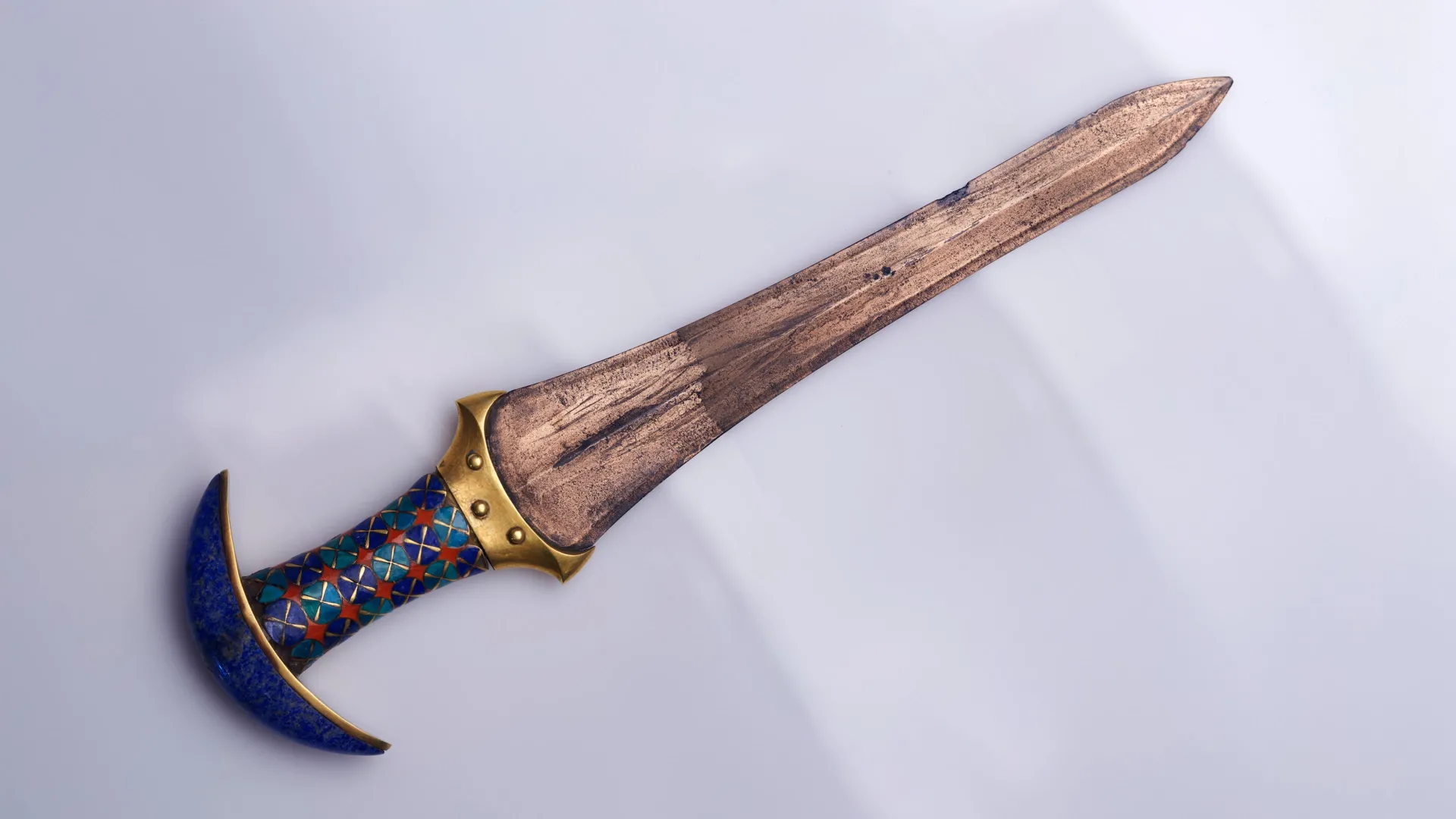
Researchers examining six royal mummies from Egypt’s Middle Kingdom have determined that ancient Egyptian princesses were active participants in physically demanding activities including archery and hunting, according to findings published in Frontiers in Environmental Archaeology. The study, led by Dr. Zeinab Hashesh, challenges the long-held assumption that weapons discovered in female royal tombs were purely ceremonial objects.
The investigation focused on remains originally excavated during the 1890s from Dahshur, a burial complex housing pyramids and shaft tombs. Four of the six individuals were sisters and daughters of pharaoh Amenemhat II, buried in matching underground chambers with objects typically associated with male burials, including bows, arrows, and ornate daggers. Two additional individuals, Princess Noub-Hotep and King Hor, were also included in the analysis. While the bodies had been mummified and remained in archaeological collections, preservation was incomplete, with soft tissues deteriorated and some skeletal portions missing, including the princesses’ skulls.
Despite these limitations, sufficient skeletal material survived for researchers to conduct detailed analysis. The bones of Princess Ita showed strong upper-body muscle attachments consistent with habitual weapon use, while Princess Itaweret displayed skeletal indicators of skilled archery alongside evidence of healed broken ribs and foot fractures. Princess Khenmet exhibited robust ligament attachments despite some bone thinning. The pattern of pronounced muscle development in the upper limbs of these individuals correlated directly with repetitive, high-intensity actions required for using weapons, indicating lifelong practice rather than occasional activity.
The trauma evidence found in the remains provides additional insight into the active lifestyles of these royals. Injuries consistent with falls, blows, and impacts appeared to have healed successfully, suggesting access to advanced medical care. The sisters shared rare spinal abnormalities indicating close family relationships among the broader royal lineage.
Researchers acknowledge significant limitations in their analysis, noting that the absence of skulls restricts certain investigative approaches. Future work is planned, including stable isotope analysis to better understand diet and nutritional conditions. The team has expressed intentions to conduct comprehensive life history reconstructions while ensuring ethical treatment of remains through digital preservation methods and contextual displays alongside original burial objects.
Article Attribution | Read More at Article Source
Article summary produced by Claude AI