

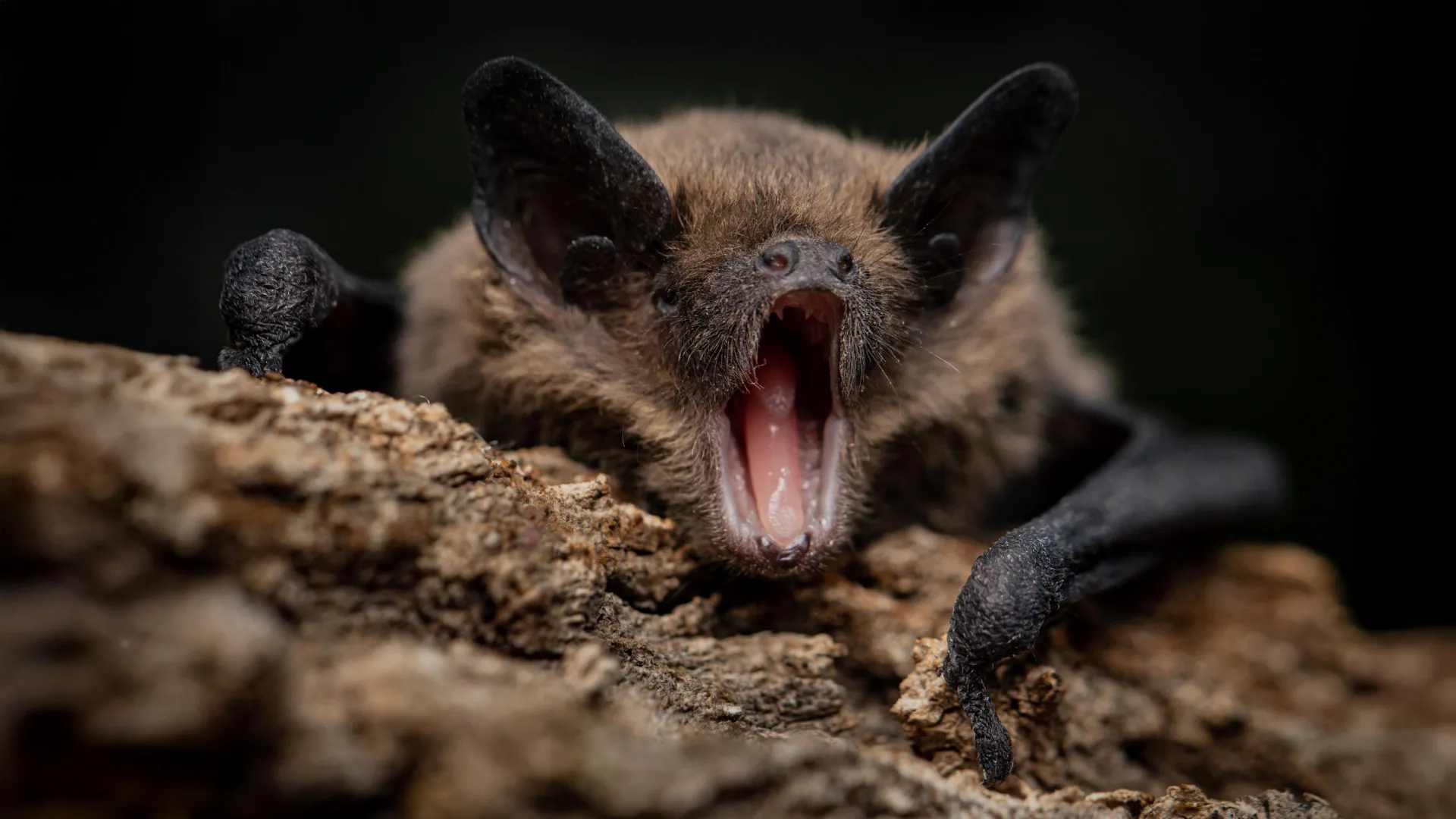
Researchers at Tulane University, collaborating with Stanford University and the CDC, have identified a distinctive feature of bat immune systems that may help explain why these animals can harbor dangerous viruses while remaining healthy. The study, published in Science Advances, examined the world’s largest bat family and found a previously unknown genetic arrangement that sets them apart from all other known mammals.
Vesper bats, which comprise more than 500 species distributed across every continent except Antarctica, possess two separate sets of genes responsible for producing antibody heavy chains. In contrast, humans and all other documented mammals have only a single set of these genes. Antibodies are Y-shaped proteins composed of heavy and light protein chains that help the immune system identify and neutralize infections. The presence of dual heavy-chain gene systems in vesper bats suggests these animals may generate a broader range of antibodies than other mammals, providing them with potentially enhanced defensive capabilities against pathogens.
Hannah Frank, an associate professor at Tulane University and corresponding author of the research, noted that this discovery represents an unprecedented finding in mammalian biology. While previous investigations into bat immunity have concentrated primarily on the innate immune system, Frank emphasized that the adaptive immune system responsible for antibody production also warrants significant attention. The findings suggest that researchers have only begun to understand the full complexity of how bat immune systems function.
The research has broader implications for understanding disease and evolution. Bats serve critical ecological functions as pollinators, seed dispersers, and natural pest controllers, while simultaneously serving as natural hosts for numerous viruses. Understanding the mechanisms that allow bats to coexist with pathogens without becoming severely ill could advance knowledge about immune responses across species and potentially inform strategies for preventing disease transmission to other animals and humans.
Article Attribution | Read More at Article Source
Article summary produced by Claude AI