

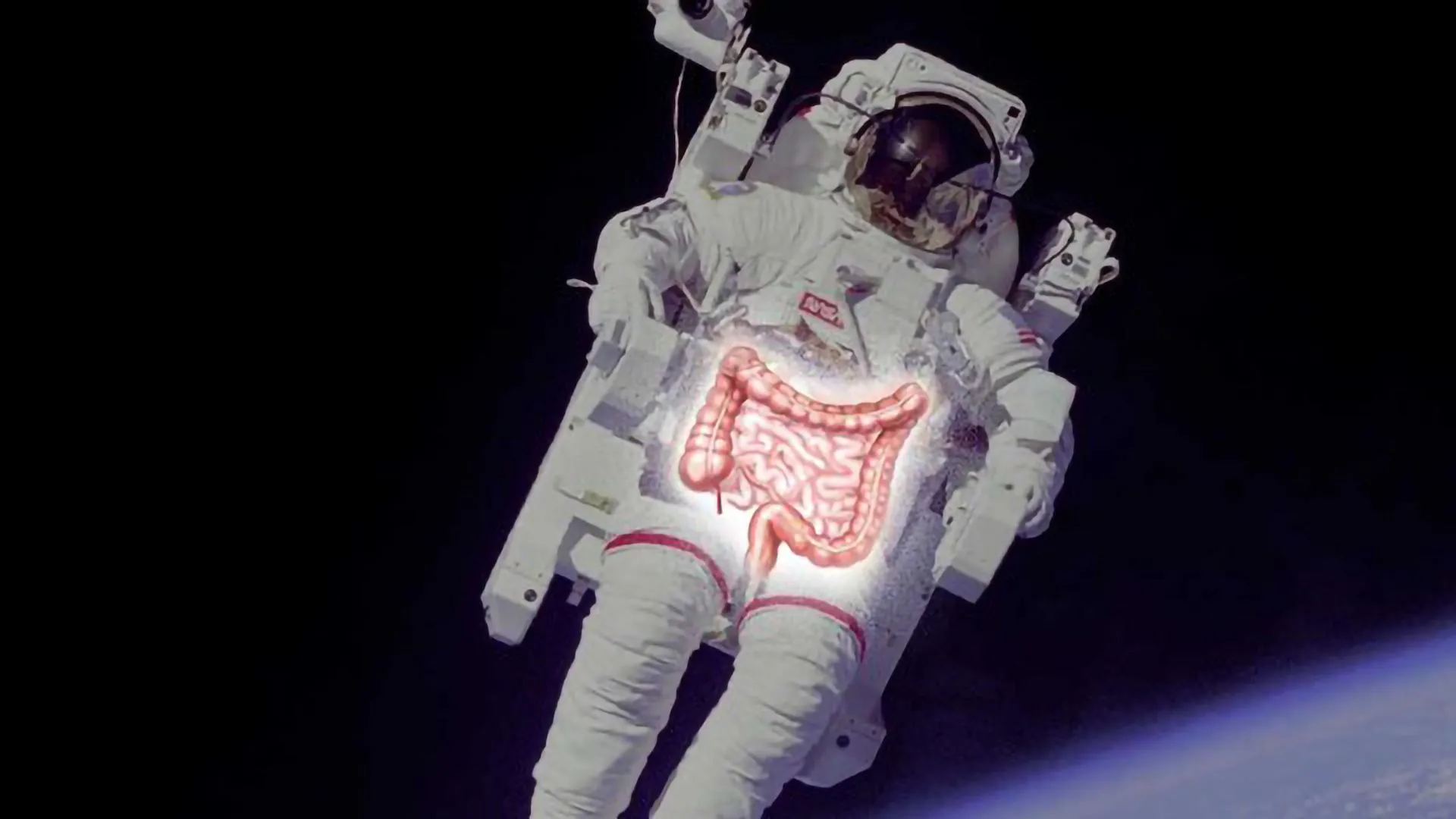
Scientists from the University of Copenhagen working with NASA have identified a biological mechanism behind constipation experienced by astronauts during spaceflight. The research involved analyzing blood samples from 52 astronauts who spent extended periods aboard the International Space Station, revealing changes in digestive function that emerge relatively quickly after exposure to microgravity.
The study found evidence that gut bacteria begin fermenting protein at higher levels within weeks of astronauts arriving in space, continuing until they return to Earth. This process occurs when intestinal bacteria shift from breaking down dietary fiber to metabolizing protein, a phenomenon that happens when fiber resources become depleted. Researchers hypothesize that microgravity slows food movement through the digestive tract, allowing bacteria more time to engage in protein fermentation and potentially contributing to constipation.
The implications of these findings extend beyond digestive discomfort. Metabolites produced during protein fermentation have been associated with various health concerns, including potential kidney damage, mood alterations, and reduced cognitive focus. As space agencies plan longer missions to the Moon and Mars, where astronauts would experience prolonged exposure to microgravity, addressing these digestive changes becomes increasingly important for crew health.
Researchers propose multiple potential interventions to mitigate the observed effects. These could include increasing dietary fiber intake, using probiotic supplements, or administering treatments that enhance peristalsis—the muscle contractions that move material through the digestive system—to reduce gut transit time and minimize excessive protein fermentation.
The findings may also benefit patients on Earth, particularly those confined to bed for extended periods, who experience similar constipation and potentially comparable changes in gut fermentation. Scientists suggest that understanding these mechanisms could help develop treatments for terrestrial populations facing comparable digestive challenges related to reduced mobility.
Article Attribution | Read More at Article Source
Article summary produced by Claude AI