

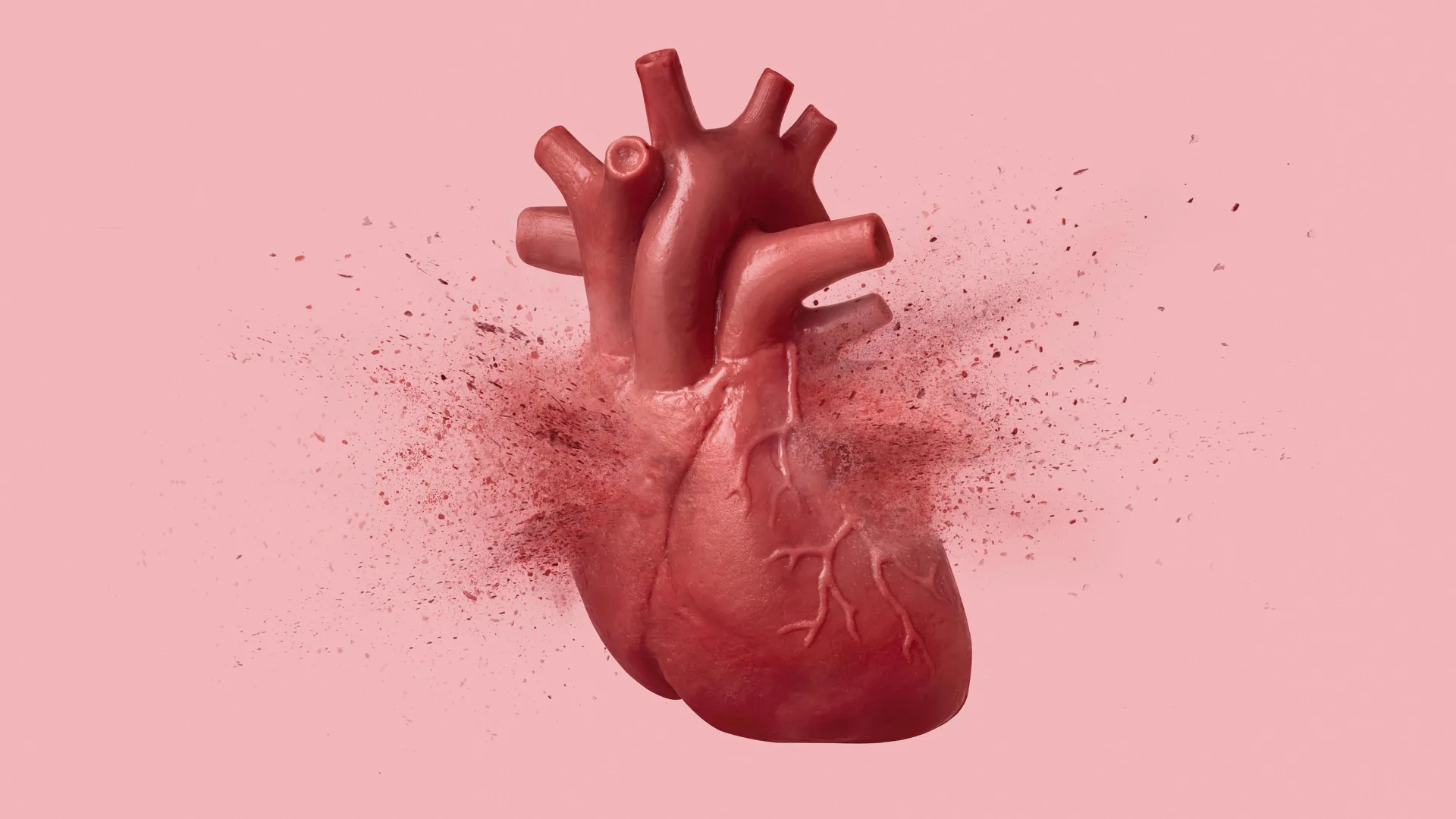
Takotsubo syndrome, a sudden heart condition that predominantly affects postmenopausal women, accounts for roughly 2 percent of patients initially suspected of experiencing a heart attack. The condition, which can be triggered by severe emotional or physical stress, produces symptoms that closely mimic a standard heart attack, including chest pain, abnormal electrocardiogram results, and elevated cardiac enzymes. However, unlike a typical heart attack, Takotsubo syndrome does not involve blocked coronary arteries. This similarity in presentation has historically led many patients to undergo invasive cardiac catheterization procedures before obtaining an accurate diagnosis.
Researchers from universities in Zurich and Greifswald have developed a diagnostic tool called the BioTAK score to address this diagnostic challenge. The system combines biological sex with multiple blood biomarkers that indicate different cardiovascular processes. Machine learning algorithms identified which biomarker combinations proved most diagnostically useful. When tested on an independent validation group of nearly 1,800 patients, the BioTAK score correctly identified Takotsubo syndrome in approximately 90 percent of cases before cardiac catheterization was performed.
The scoring system also provides insights into the underlying mechanisms of Takotsubo syndrome. Two newly identified biomarkers included in the tool point to a significant role for the brain-heart connection. One protein activates stress-response neuropeptides related to anxiety and nervous system function, while the other is associated with atherosclerotic plaque stability. Together, these markers reveal biological patterns distinct from those observed in conventional heart attacks, suggesting Takotsubo syndrome develops through stress-related mechanisms separate from atherosclerosis.
Clinicians view the BioTAK score as a potential enhancement to emergency assessment protocols for patients with suspected acute coronary syndrome. Researchers emphasize that the tool is not intended to replace cardiac catheterization when medically necessary but could help guide diagnostic procedures more efficiently and potentially avoid unnecessary invasive tests in appropriate patient populations. The research analyzed data from more than 3,600 patients across the SPUM-ACS Registry and the International Takotsubo Registry, which was established in 2010 as a major international research infrastructure for studying the condition.
Article Attribution | Read More at Article Source
Article summary produced by Claude AI