

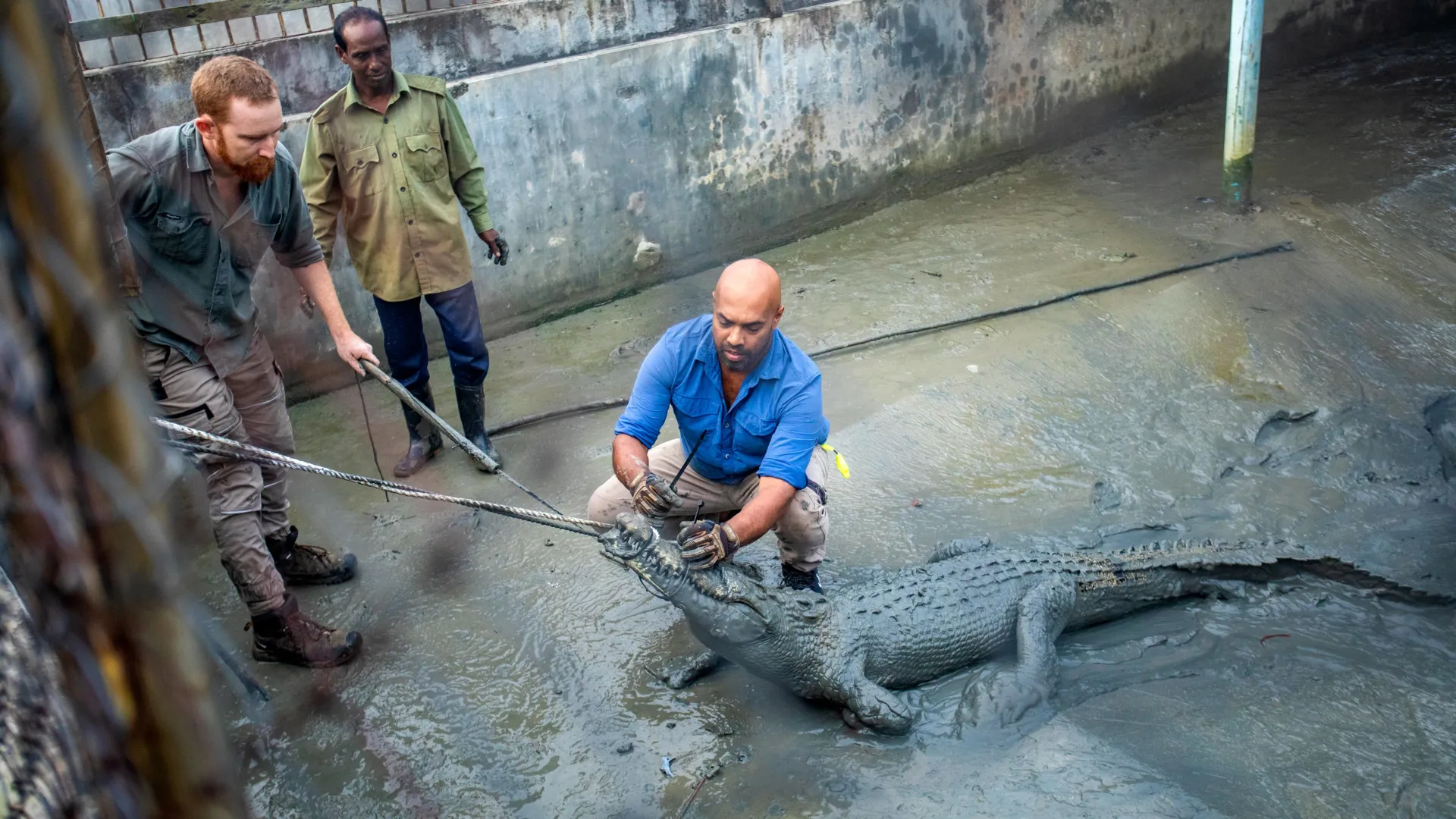
Researchers conducting a study in Bangladesh’s Sundarbans mangrove forest have identified a potentially significant distinction in homing behavior between captive-reared and wild saltwater crocodiles. The findings suggest that crocodiles born or raised in captivity may not exhibit the strong instinct to return to their previous locations once released into natural environments, a discovery that could reshape crocodile conservation strategies.
The investigation focused on saltwater crocodiles in the Sundarbans, one of Bangladesh’s last remaining refuges for the species. The population has faced severe decline due to historical commercial hunting for skins, and despite legal protection since 1973, recovery has been minimal. Current surveys estimate approximately 140 mature individuals remain in the region, highlighting the urgent need for effective restoration approaches.
The research team tracked five mature saltwater crocodiles using satellite devices following their release. Three of the crocodiles had been raised in captivity for between 8 and 22 years, while two were wild-caught specimens with different release histories. Over several months of monitoring, the captive-reared crocodiles displayed no inclination to return to their breeding facilities, instead establishing small, defined territories and moving patterns consistent with locally wild crocodiles.
The results differed markedly for a wild crocodile named Jongra, which was translocated approximately 132 kilometers from its original capture location. Although Jongra did not complete a full return during the study period, his movement patterns clearly indicated directional homing behavior, with daily movements exceeding 30 kilometers in some instances.
These contrasting findings suggest that incorporating larger, captive-reared specimens into reintroduction programs may offer advantages over traditional approaches relying on hatchlings, which have low survival rates and require extended periods to reach reproductive maturity. The study was published in Wildlife Research and supported by international conservation organizations and Bangladesh government agencies.
Article Attribution | Read More at Article Source
Article summary produced by Claude AI