

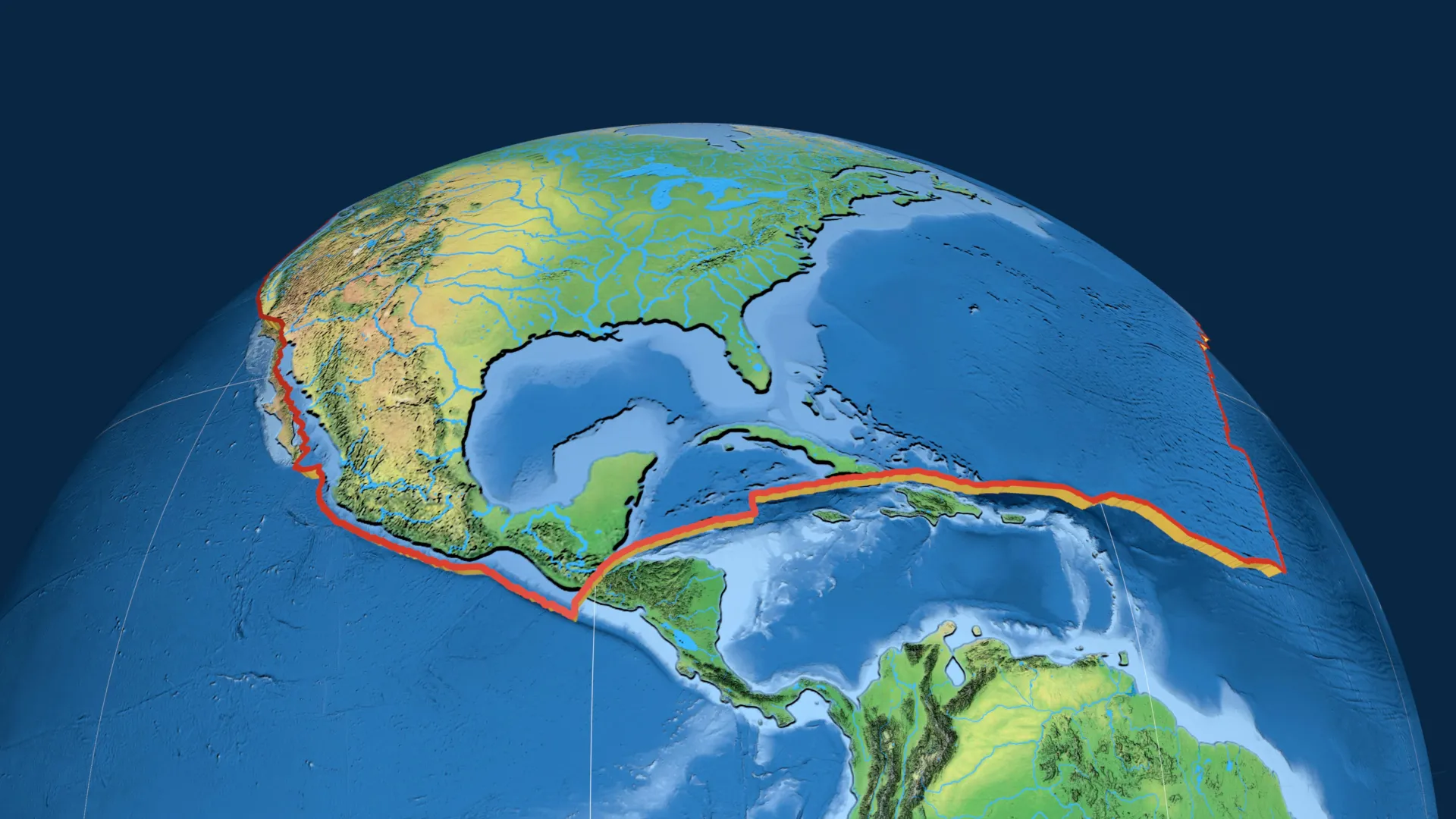
Researchers have published findings that revise the timeline of a major tectonic collision that shaped the Americas. Using magnetic analysis of volcanic rocks from Colombia’s Northern Andes, an international team determined that the primary phases of collision between Central America and South America took place earlier than scientists had previously estimated, occurring before about 10 million years ago.
The investigation focused on late Miocene volcanic rocks dating from approximately 12 to 6 million years old, collected from the Combia Volcanic Province in central Colombia. These rocks formed during a critical period when the South American Plate was interacting with the continental portion of Central America. The research team, led by Victor Piedrahita and J. Li, employed magnetic fabric analysis to understand the tectonic conditions present at the time of rock formation.
Magnetic fabric analysis examines the orientation of magnetic minerals within rocks to determine whether their internal structure reflects original volcanic processes or resulted from later tectonic deformation. The researchers discovered that many of the volcanic rocks retained primary magnetic fabrics created by magma movement or volcanic debris flows, suggesting they experienced minimal major tectonic deformation during the late Miocene period. While some locations showed signs of deformation, these effects were limited in intensity and geographic distribution.
The evidence indicates that the most intense crustal shortening and collision-related deformation in the Northern Andes had largely concluded before the late Miocene. According to the research, the strongest collisional events between Central and South America occurred mainly during the Oligocene to middle Miocene, with tectonic activity becoming weaker and more localized by the time the studied volcanic rocks formed. These findings may help scientists refine models of Andean formation and improve understanding of how plate interactions influenced the geological development of the Americas. The study demonstrates the utility of magnetic techniques for reconstructing ancient tectonic activity in volcanic regions.
Article Attribution | Read More at Article Source
Article summary produced by Claude AI