

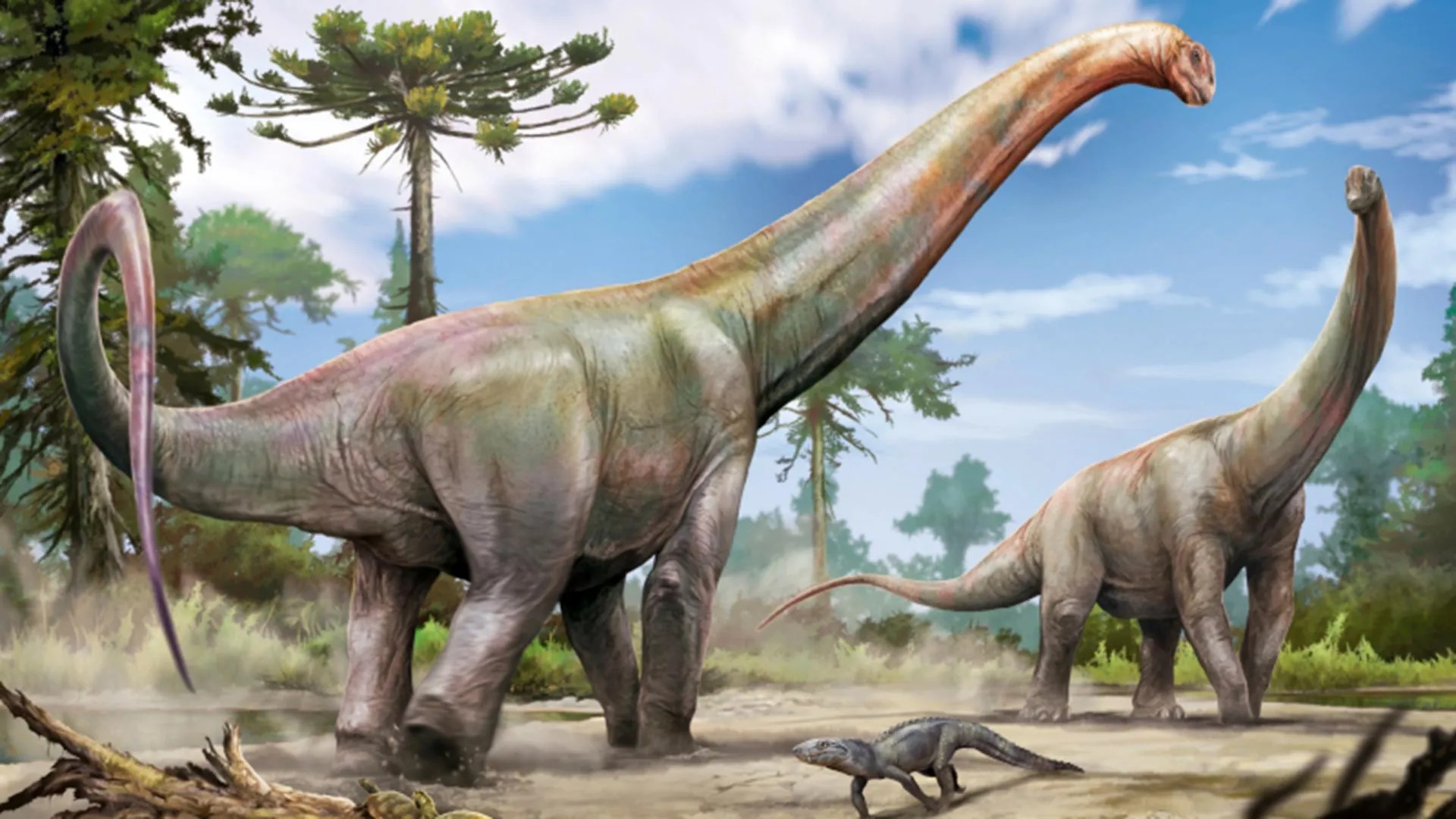
Researchers have identified a previously unknown dinosaur species named Dasosaurus tocantinensis based on fossils uncovered during construction of a road rail terminal in Davinópolis, Maranhão state in northeastern Brazil. The animal measured approximately 20 meters in length and inhabited the region roughly 120 million years ago during the Cretaceous period.
The discovery holds particular significance for understanding prehistoric animal migration patterns. Scientists determined that the closest known relative of this species lived in what is now Spain, indicating that both animals descended from a shared lineage. Researchers theorize that ancestors of Dasosaurus tocantinensis traveled to South America through North Africa between 140 and 120 million years ago, when these landmasses remained connected as part of the supercontinent Gondwana.
The fossil represents the largest known dinosaur specimen yet documented in Maranhão state, surpassing other regional discoveries such as the smaller Amazonsaurus maranhensis. The preserved skeleton is notably complete for a dinosaur of this classification, containing tail vertebrae, a 1.5-meter femur, ribs, foot bones, and various limb bones. Scientists believe additional material from the same individual remains at the excavation site awaiting recovery.
Analysis of the specimen’s bone microstructure revealed growth patterns combining characteristics of both older sauropods and titanosaurs, suggesting that certain bone development processes emerged earlier in dinosaur evolution than previously understood. The name Dasosaurus tocantinensis reflects both the local landscape and geography, with “daso” referring to forest in Portuguese and “Tocantinensis” referencing the nearby Tocantins River.
The find underscores the dual nature of construction projects in paleontological research. While large-scale development can destroy fossil deposits, excavation activities also expose geological layers otherwise inaccessible to scientists. Researchers emphasize the need for enhanced coordination between construction companies and paleontologists to balance development with heritage preservation and continued scientific discovery.
Article Attribution | Read More at Article Source
Article summary produced by Claude AI