

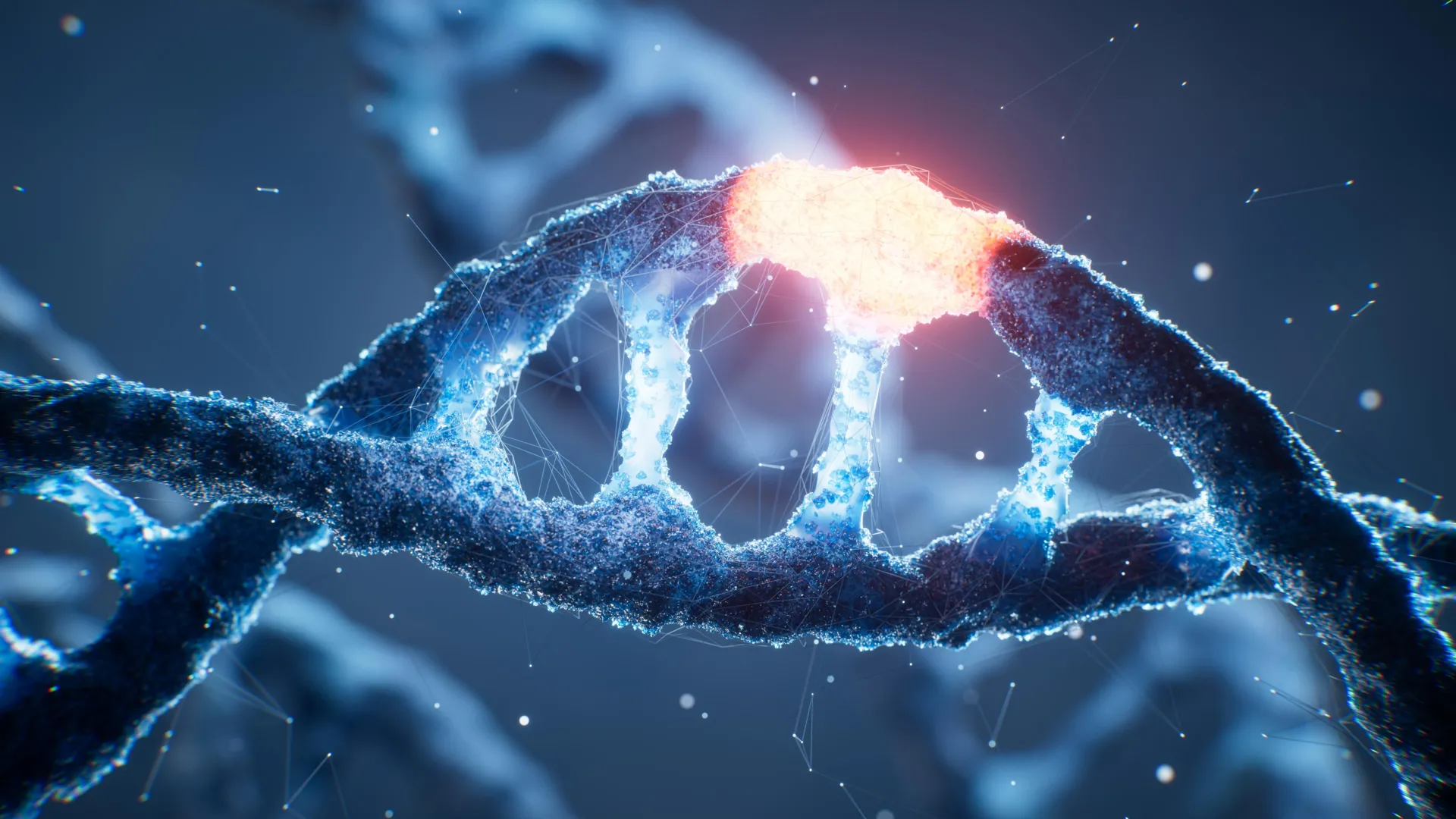
Scientists at the University of California San Diego have successfully demonstrated that RNA polymerase, a key enzyme responsible for reading DNA and producing RNA, can accurately process genetic information constructed from eight different letters rather than the four used by all known organisms on Earth. This breakthrough represents a significant advance in understanding how cells could potentially utilize expanded genetic systems.
The research team employed biochemical experiments combined with advanced cryo-electron microscopy techniques to observe RNA polymerase from E. coli bacteria as it recognized and incorporated two synthetic base pairs. The detailed molecular imaging revealed that the enzyme identifies synthetic DNA letters using similar biochemical and structural mechanisms it normally uses to recognize naturally occurring base pairs, explaining why it maintains accuracy when reading the expanded alphabet.
In a companion study, the same research team found that RNA polymerase can recognize additional pairs of synthetic base pairs even without the hydrogen bonds that typically stabilize natural DNA base pairs. This suggests cells possess the molecular capacity to handle genetic information that does not occur in nature.
These findings have practical implications for biotechnology development. Previous work has demonstrated that expanded genetic alphabets can create synthetic DNA capable of identifying liver cancer cells. By clarifying at the molecular level how RNA polymerase reads and transcribes non-natural DNA letters, this research establishes crucial groundwork for developing diagnostic tools, therapeutic treatments, and engineered biological systems with novel functions not found in nature.
The results were published in two separate studies, with one appearing in Nature Communications on Sept. 2, 2026, and another in PNAS on Aug. 12, 2026, both led by professor Dong Wang of the UC San Diego Skaggs School of Pharmacy and Pharmaceutical Sciences.
Article Attribution | Read More at Article Source
Article summary produced by Claude AI