

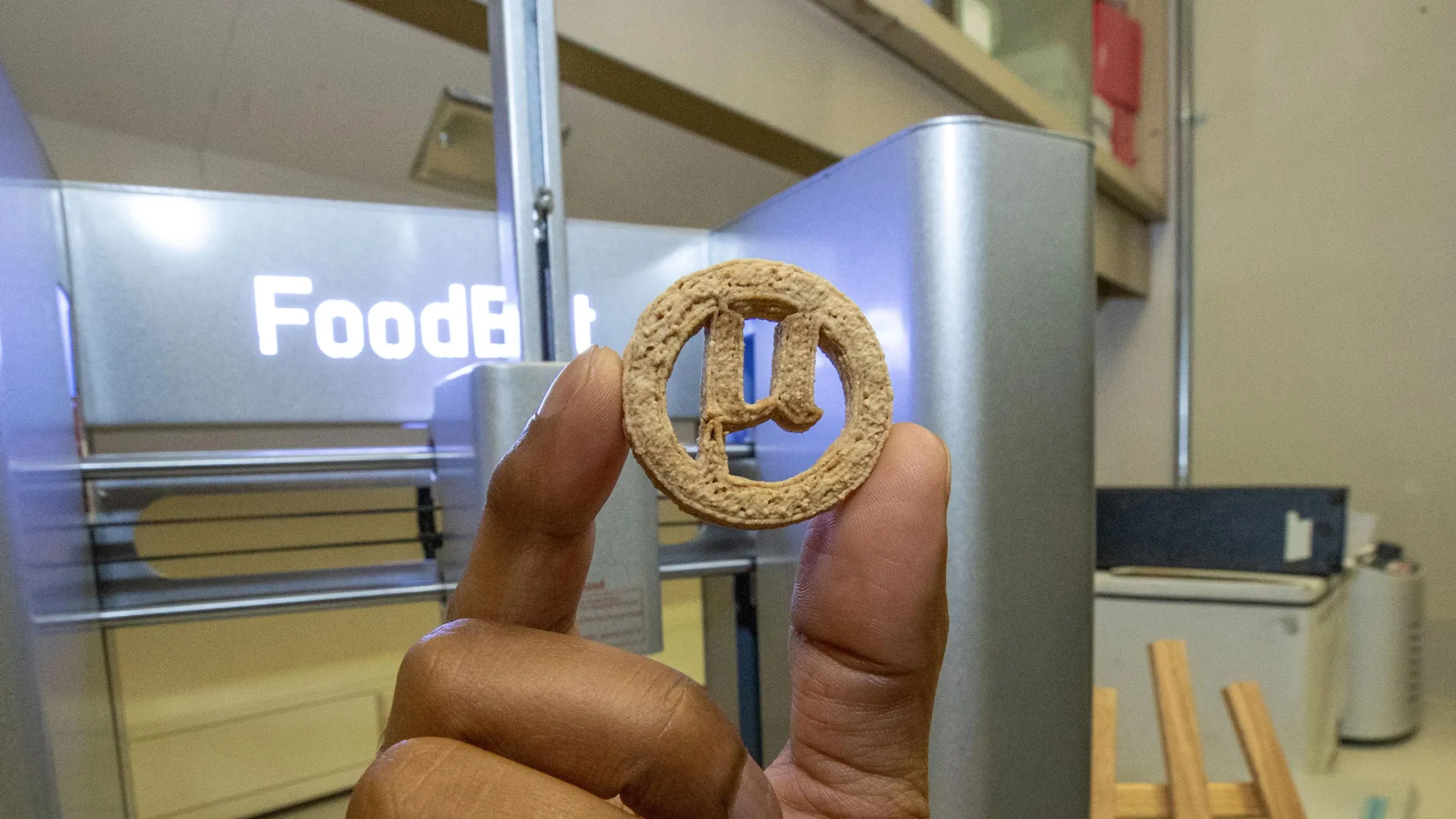
Scientists backed by NASA have developed a method to transform plastic waste and agricultural residue into consumable food products through genetically modified microorganisms. The research addresses two significant global concerns: plastic pollution and food insecurity, by leveraging the carbon-rich composition of both waste materials and food.
The initiative emerged from a NASA-led investigation into food production methods suitable for deep space exploration environments where resupply from Earth is not feasible. Researchers at Southern Illinois University Carbondale focused on polyethylene terephthalate (PET), a commonly used plastic found in beverage containers. Rather than relying solely on chemical processing, the team employed engineered yeast strains, including baker’s yeast, to perform complex biochemical transformations naturally. The plastic and agricultural waste is first processed using oxidative hydrothermal dissolution, a technique that combines water, oxygen, high temperature, and pressure to break down resistant materials into compounds accessible to microorganisms.
Once the waste has been reduced to manageable molecular components, the engineered yeast converts these materials into proteins, fats, vitamins, and flavor compounds. Researchers combined these yeast-derived ingredients with fiber, starch, and sweetener, then used three-dimensional printing technology to produce protein-rich cookies termed µBites. Preliminary data suggest the cookies are safe for consumption, though formal taste testing awaits institutional authorization. Graduate student Sandhya Jayasekara engineered additional yeast strains capable of producing vanilla flavoring from plant biomass and beta carotene from ethylene glycol extracted from PET plastic.
The research team aims to expand microbial production to encompass additional cookie components currently added separately. Associate Professor Lahiru Jayakody projects the cookies could become available for public consumption within several years. Beyond terrestrial applications such as emergency response and submarine operations, the technology holds potential for future human settlements on the moon or Mars. Given projections that global food demand will increase significantly by 2050 and substantial portions of the world population face hunger risks, researchers view microbial food production as a critical approach to addressing future food security challenges. The work received funding from the NASA Deep Space Food Challenge and the National Science Foundation CAREER program.
Article Attribution | Read More at Article Source
Article summary produced by Claude AI