

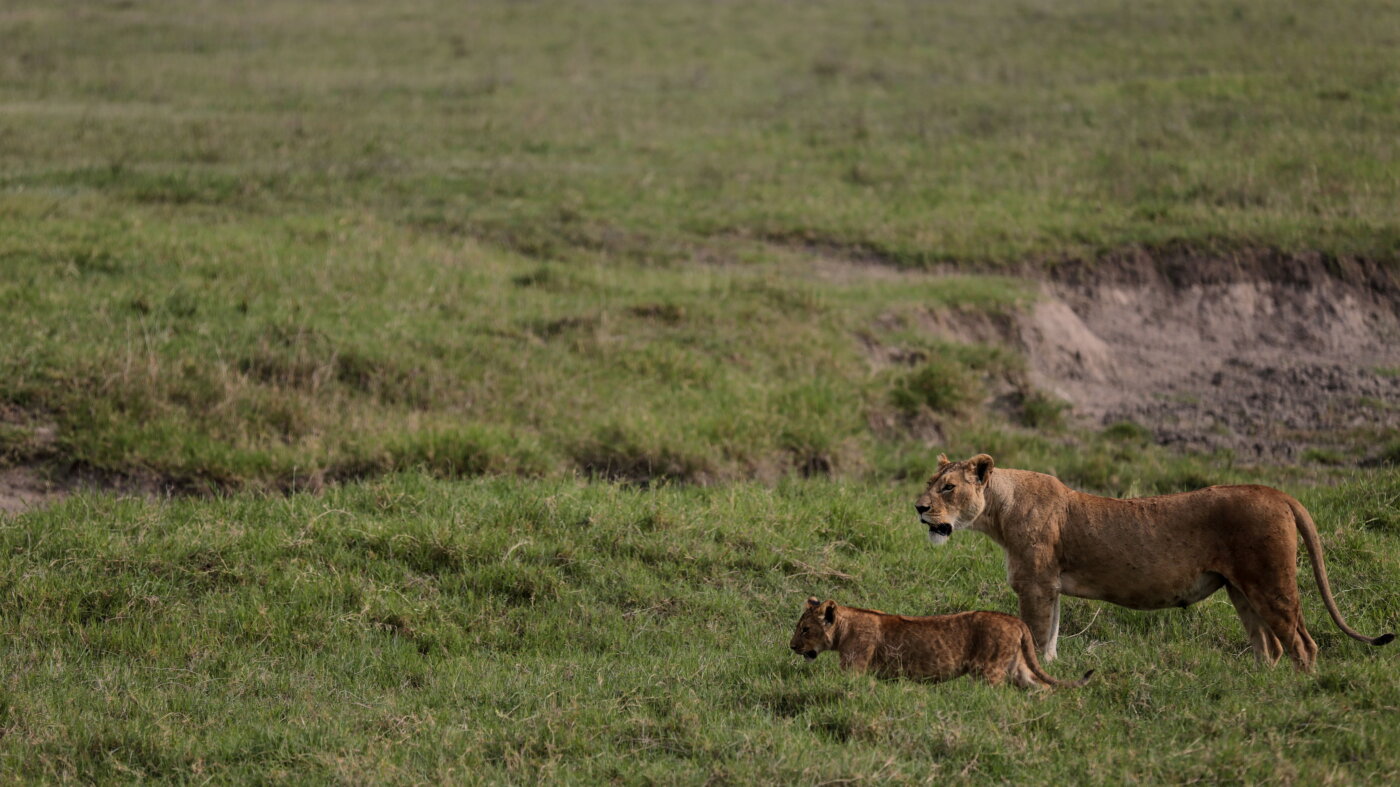
Wildlife authorities in Tanzania are investigating the deaths of ten lions discovered in the Ngorongoro Conservation Area, a protected UNESCO World Heritage Site that serves as both a pastoral region and major tourist destination. Initial assessments indicate the animals may have died after consuming poison, though a comprehensive investigation is ongoing to determine the precise cause and identify any responsible parties.
The incident reflects broader challenges facing large wildlife across East Africa, where human-animal conflict frequently occurs in regions with mixed land use. A similar situation unfolded in neighboring Kenya earlier in the season, where eighteen elephants died from suspected poisoning. Kenyan authorities have made four arrests in connection with that case, and preliminary testing suggested the elephants may have ingested cyanide. Tomato farmers in Kenya’s Amboseli region have faced scrutiny regarding the use of banned pesticides, though growers have denied employing cyanide in their farming practices.
Tanzania maintains Africa’s largest lion population, representing approximately half of the world’s remaining wild lions. Despite this significant population, the species is classified as vulnerable by the International Union for Conservation of Nature due to habitat loss and poaching pressures. The Ngorongoro Conservation Area, where the recent deaths occurred, is designated as a UNESCO World Heritage Site and harbors the Big Five game animals—elephants, lions, leopards, buffalo, and rhinoceroses—making it a critical refuge for endangered species.
Article Attribution | Read More at Article Source
Article summary produced by Claude AI