

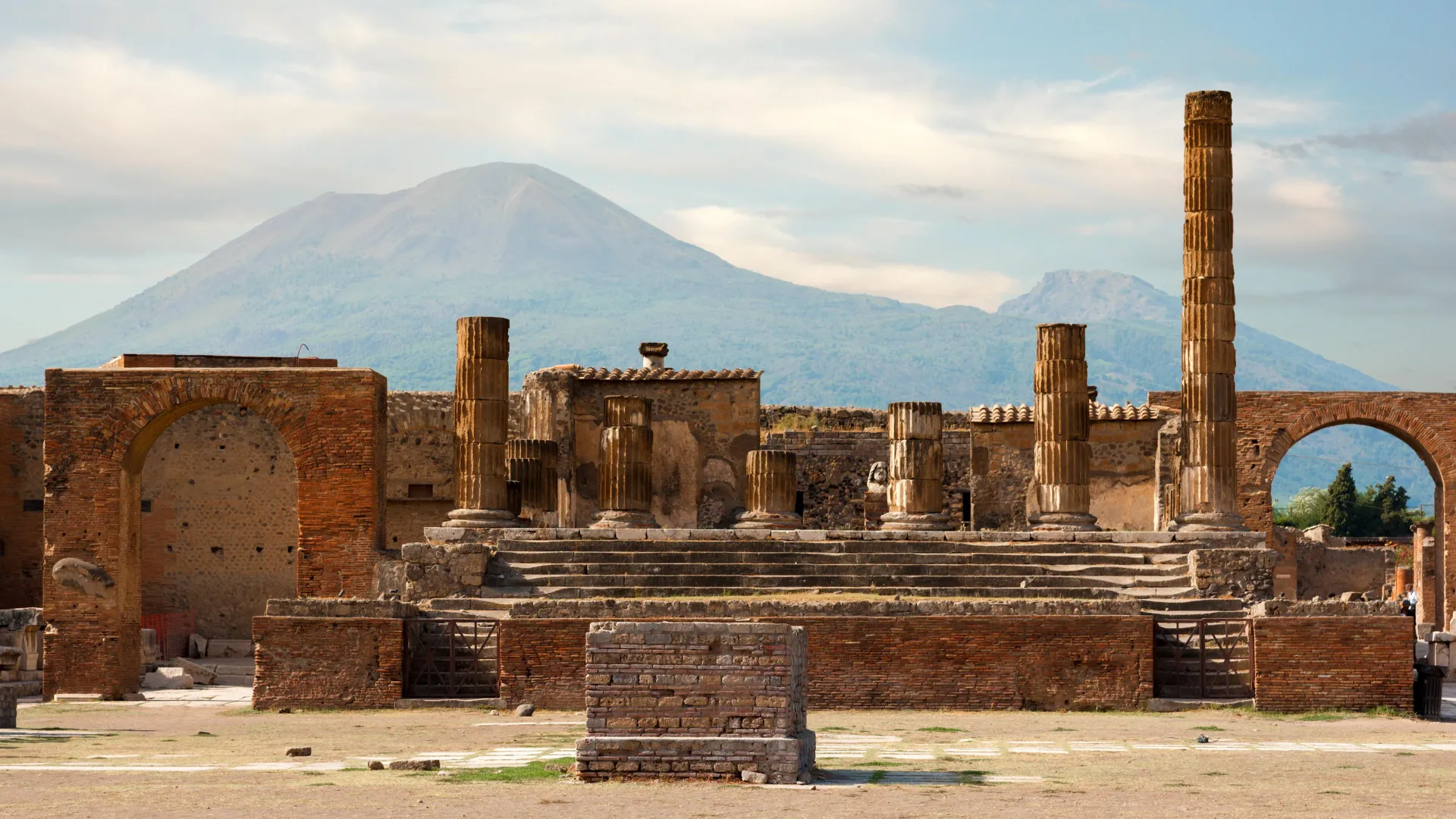
Scientists from UC Berkeley and Italian institutions have refined argon-argon dating methods using historical documentation of Mount Vesuvius’s eruption. Pliny the Younger’s firsthand account of the volcanic disaster that destroyed Pompeii provided researchers with a precise historical reference point, allowing them to validate and improve upon one of geology’s most important dating techniques.
The research team analyzed samples of sanidine, a volcanic mineral from Vesuvius, and found that argon-argon measurements placed the eruption 1,938 ±13 years before analysis in 2025, demonstrating 0.7% precision and 0.4% accuracy compared to the historical record. This level of accuracy enables scientists to better correlate events in Earth’s geological past, such as linking asteroid impacts, volcanic activity and mass extinction events. The improved calibration also helped researchers refine their measurement of potassium-40’s half-life to 12.044 billion years with twice the precision of previous estimates.
The breakthrough relied on superior samples collected nearly thirty years earlier from Oplontis, another Roman settlement buried by the eruption. These pumice samples contained higher potassium concentrations than previously tested materials and came from deposits released during the eruption’s earliest phase. Because potassium-rich magma is typically expelled first from stratevolcanoes like Vesuvius, these samples provided particularly valuable data for calibration.
The enhanced precision of argon-argon dating benefits multiple scientific fields and has direct applications for assessing volcanic risks in populated regions near Mexico City, Naples and Indonesia. The refined technique also strengthens cross-validation with other dating methods, including carbon-14 dating and uranium-lead dating of ancient rocks. Researchers note that the improvement resulted from combining superior samples, advanced analytical equipment and updated measurement methodologies.
Article Attribution | Read More at Article Source
Article summary produced by Claude AI