

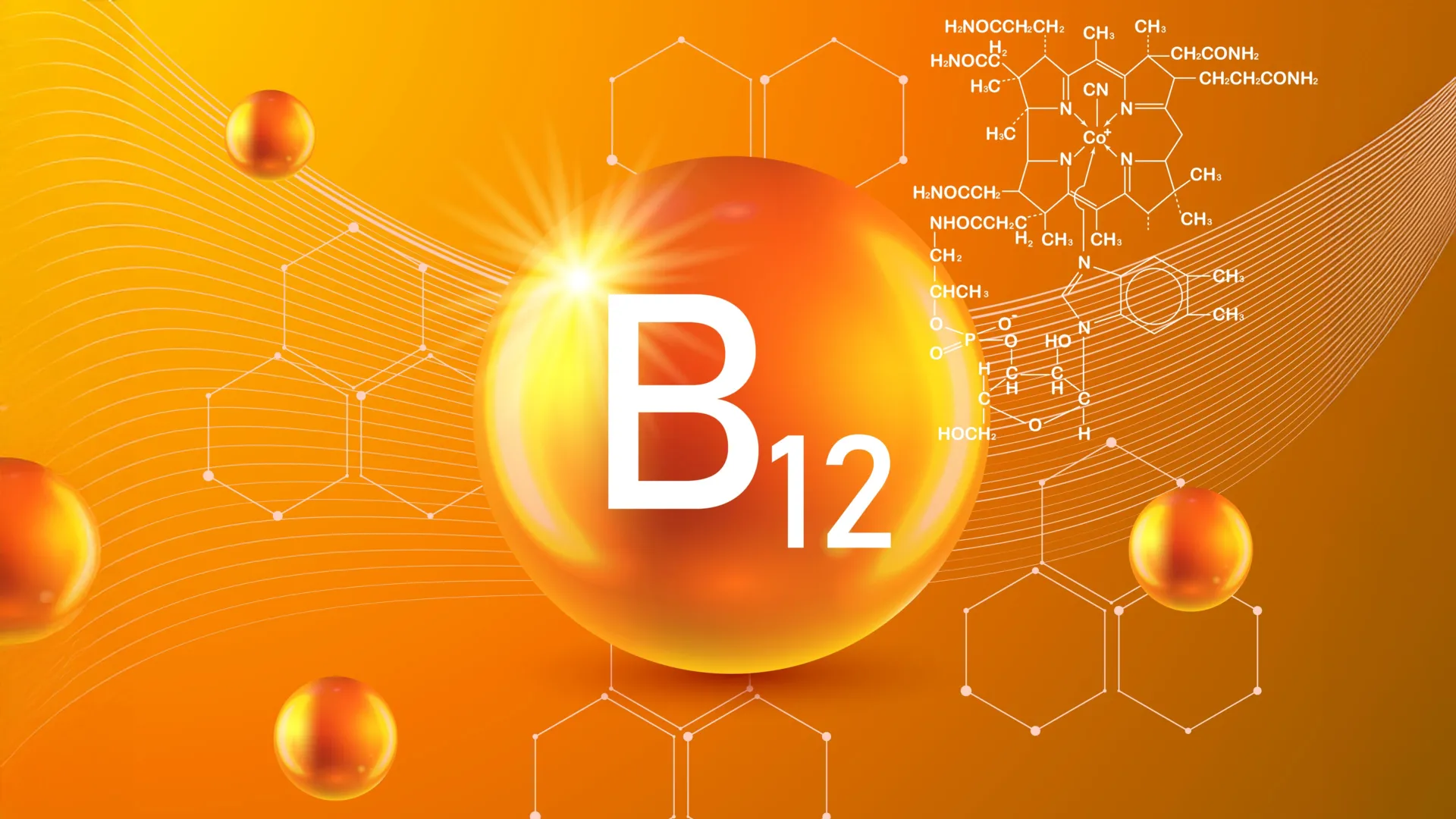
Scientists have successfully cultivated Spirulina that contains biologically active vitamin B12 at concentrations matching those found in beef, according to research published in Discover Food. The study was conducted by Dr. Asaf Tzachor of Reichman University’s Aviram Sustainability and Climate Program alongside researchers from Iceland, Denmark, and Austria. The team employed advanced biotechnology and controlled light conditions to produce carbon-neutral Spirulina biomass enriched with active vitamin B12, marking the first documented instance of this nutrient being present in the algae in a form usable by the human body.
Vitamin B12 deficiency affects over one billion people globally and plays a critical role in red blood cell formation and nervous system function. While meat and dairy products traditionally serve as primary dietary sources of this essential micronutrient, the environmental impact of producing animal-based foods at scale has prompted interest in alternative sources. Spirulina has been considered a promising substitute due to its nutrient density and minimal environmental footprint. However, conventional Spirulina contains mostly pseudo-vitamin B12, a chemically similar but bioavailable form that the human body cannot effectively utilize.
The research team addressed this limitation by studying a biotechnology platform developed by VAXA Technologies that utilizes photonic management, or modified light conditions, during Spirulina cultivation. By adjusting the light environment, researchers encouraged the algae to produce biologically active vitamin B12. The resulting biomass contained 1.64 µg of active vitamin B12 per 100 grams, comparable to beef’s 0.7-1.5 μg per 100 grams, and also contained other bioactive compounds with antioxidant, anti-inflammatory, and immune-boosting properties.
Projection models indicate that reallocating electricity currently used by heavy industry in Iceland could support annual production of approximately 277,950 tonnes of Spirulina biomass, containing roughly 4555 grams of active vitamin B12. Researchers estimate this quantity could supply the recommended dietary allowance for more than 13.8 million children aged 1-3 years. While these figures represent potential production scenarios rather than current capacity, they demonstrate the nutritional possibilities the technology could offer. Further research and expanded production capabilities will be necessary to integrate this approach into existing food systems and determine its practical viability at scale.
Article Attribution | Read More at Article Source
Article summary produced by Claude AI