

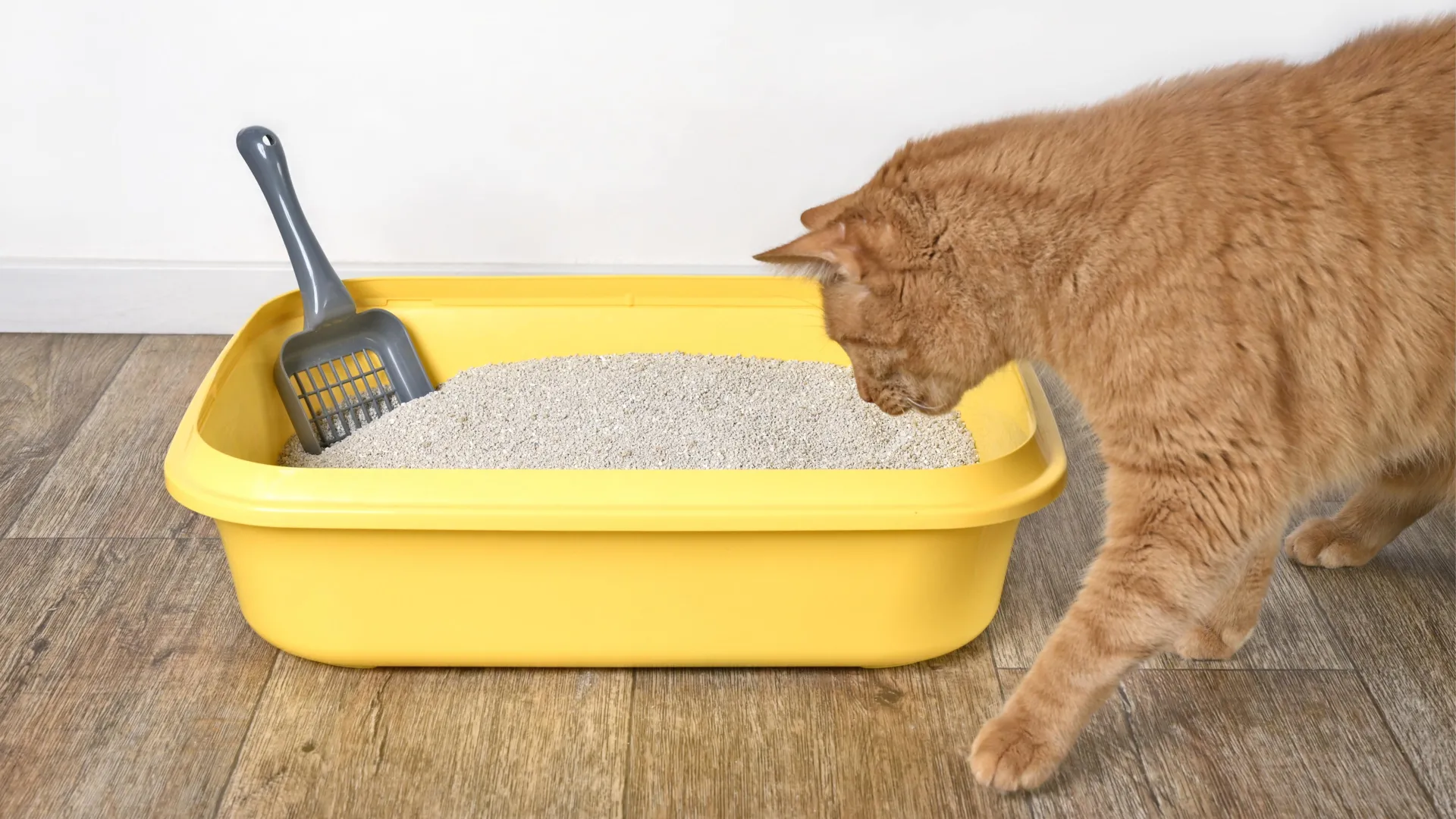
A multinational research team led by Iwate University has identified a group of unusual fatty acids in cat urine that may function as durable chemical signatures for individual identification. The study, to be published in Current Biology, reveals that cats rely on distinctive combinations of branched-chain fatty acids (BFAs) to recognize one another through scent.
Initial experiments confirmed that cats can distinguish urine samples from different individuals and retain memories of specific odors over extended periods. When presented with the same urine repeatedly, cats showed decreased investigative behavior, but renewed interest upon encountering urine from an unfamiliar cat. The flehmen response—a characteristic facial expression cats display when investigating certain odors—provided researchers with behavioral indicators to guide their chemical analysis.
The investigation identified 13 previously unreported BFAs in mammalian excretions. Each cat exhibited a unique profile based on the combination and relative amounts of these compounds, with profiles remaining relatively stable over time within individual animals. Related cats generally shared more similar BFA patterns, suggesting genetic influence, though each animal maintained a distinguishable signature. Importantly, these fatty acids proved more chemically stable than other volatile urine odors, remaining comparatively consistent for at least 24 hours in laboratory storage conditions.
Behavioral testing demonstrated that cats could perceive differences between BFA profiles when other lipid components were controlled. The research unexpectedly illuminated a century-old mystery regarding lipid droplets found in cat kidneys. BFAs were detected specifically in kidney tissue and stored within renal lipid droplets, suggesting these structures may serve as a reservoir maintaining stable chemical signatures despite dietary or physiological fluctuations.
The research extended beyond domestic cats to examine other felid species, including lions, tigers, leopards, jaguars, and lynxes. While BFA-related chemistry and kidney lipid droplets appeared across these species, the specific profiles and kidney characteristics varied, indicating that the system has diversified throughout feline evolution.
Article Attribution | Read More at Article Source
Article summary produced by Claude AI