

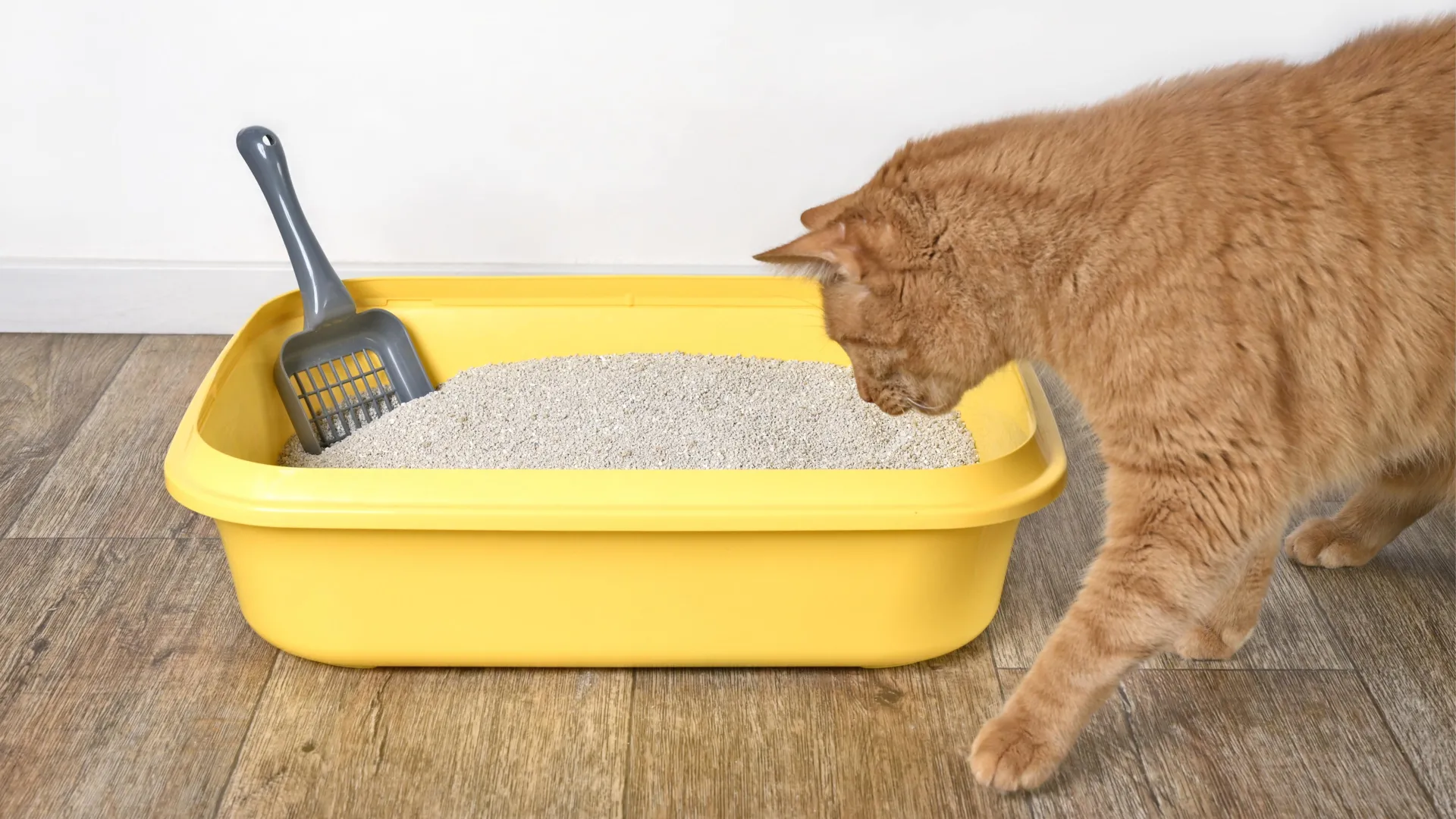
A multinational research team led by Iwate University has identified a group of unusual fatty acids in domestic cat urine that may function as a stable chemical identifier for individual animals. The discovery addresses a long-standing question about how cats distinguish one another through scent when many odor molecules are volatile and break down over time.
The scientists first established that cats can recognize and remember individual urine scents over extended periods. When presented with the same urine sample repeatedly, cats gradually lost interest through reduced investigation time and decreased flehmen responses—the characteristic open-mouthed expression cats display when smelling certain odors. However, when urine from a different cat was introduced, their investigative behavior increased again. Remarkably, cats maintained these recognition patterns even after gaps lasting months, suggesting long-term memory for particular scent profiles.
Using cat behavior as a guide, researchers identified 13 branched-chain fatty acids (BFAs) in urine that had not been previously documented in mammalian secretions. Each cat displayed a distinctive BFA profile defined by the combination and proportions of these compounds. While profiles varied considerably between individual animals, they remained relatively stable when the same cats were sampled on different occasions. Genetic factors appeared to influence these patterns, as related cats generally shared more similar profiles, though each animal maintained its own unique signature.
Behavioral experiments confirmed that cats could perceive differences between BFA compositions. The compounds also proved more durable than typical volatile urine odors, remaining stable in samples for at least 24 hours. The research revealed that BFAs accumulate in cat kidneys, potentially stored in lipid droplets that have puzzled scientists for over a century. This finding suggests kidney lipid droplets may maintain a consistent chemical signature in urine by buffering short-term physiological fluctuations.
Similar BFA-related chemistry and kidney structures were detected across multiple felid species, including lions, tigers, leopards, jaguars, and lynxes, though with species-specific variations. The findings appear in Current Biology.
Article Attribution | Read More at Article Source
Article summary produced by Claude AI